Solar Power Brings Reliable Water Access to Rural Manyara Communities
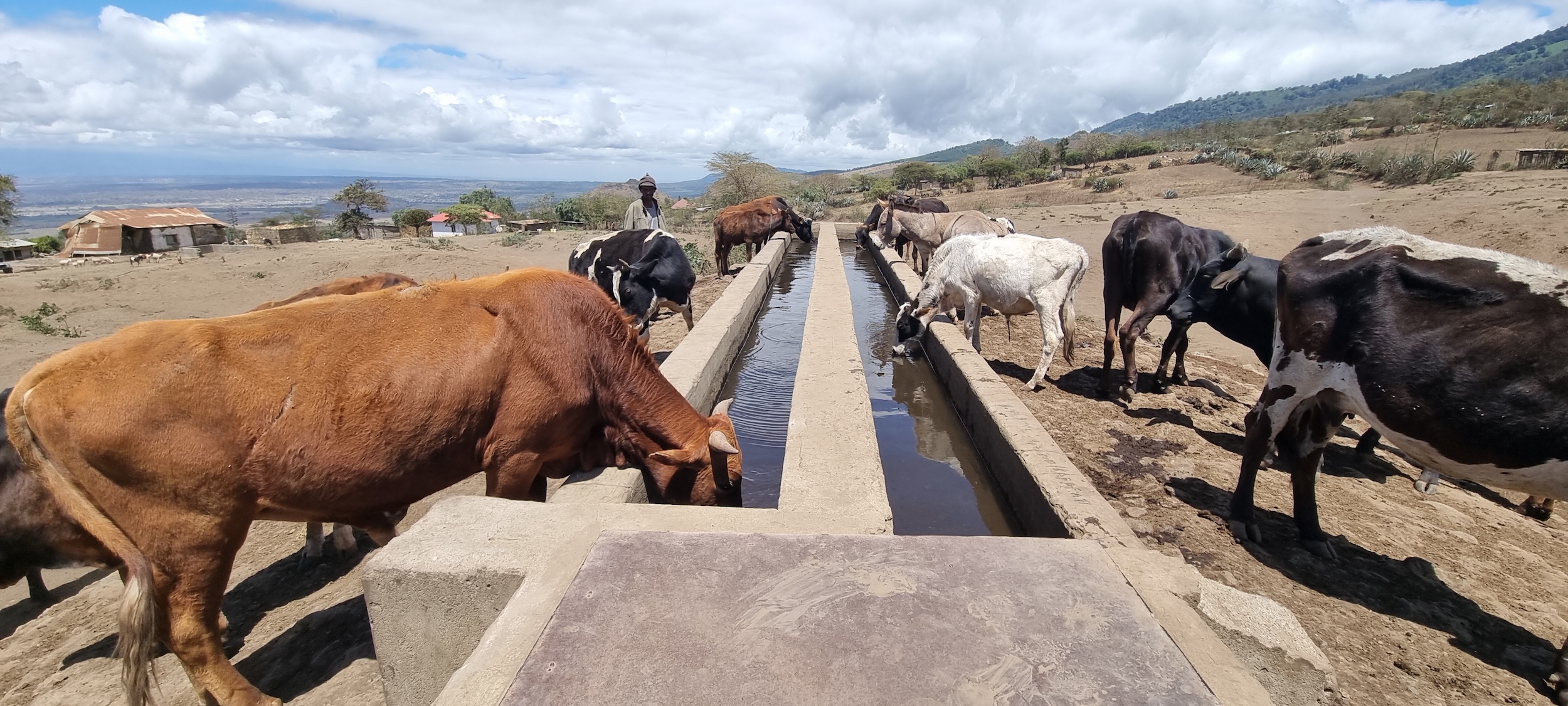
For years, communities in Gidagharibu and Giding’wari depended on unreliable energy sources to pump water. A broken generator and unstable electricity supply meant that access to safe water could not always be guaranteed.
The Challenge
Before the intervention, the Gidagharibu water scheme had stopped operating since 2023 after failure of its diesel generator and lack of spare parts. The community water supply organization struggled with high fuel costs and frequent maintenance challenges. In Giding’wari, the water system depended on the national grid, but unreliable electricity affected consistent water pumping. These challenges threatened reliable access to clean and safe water for thousands of residents.
What Changed
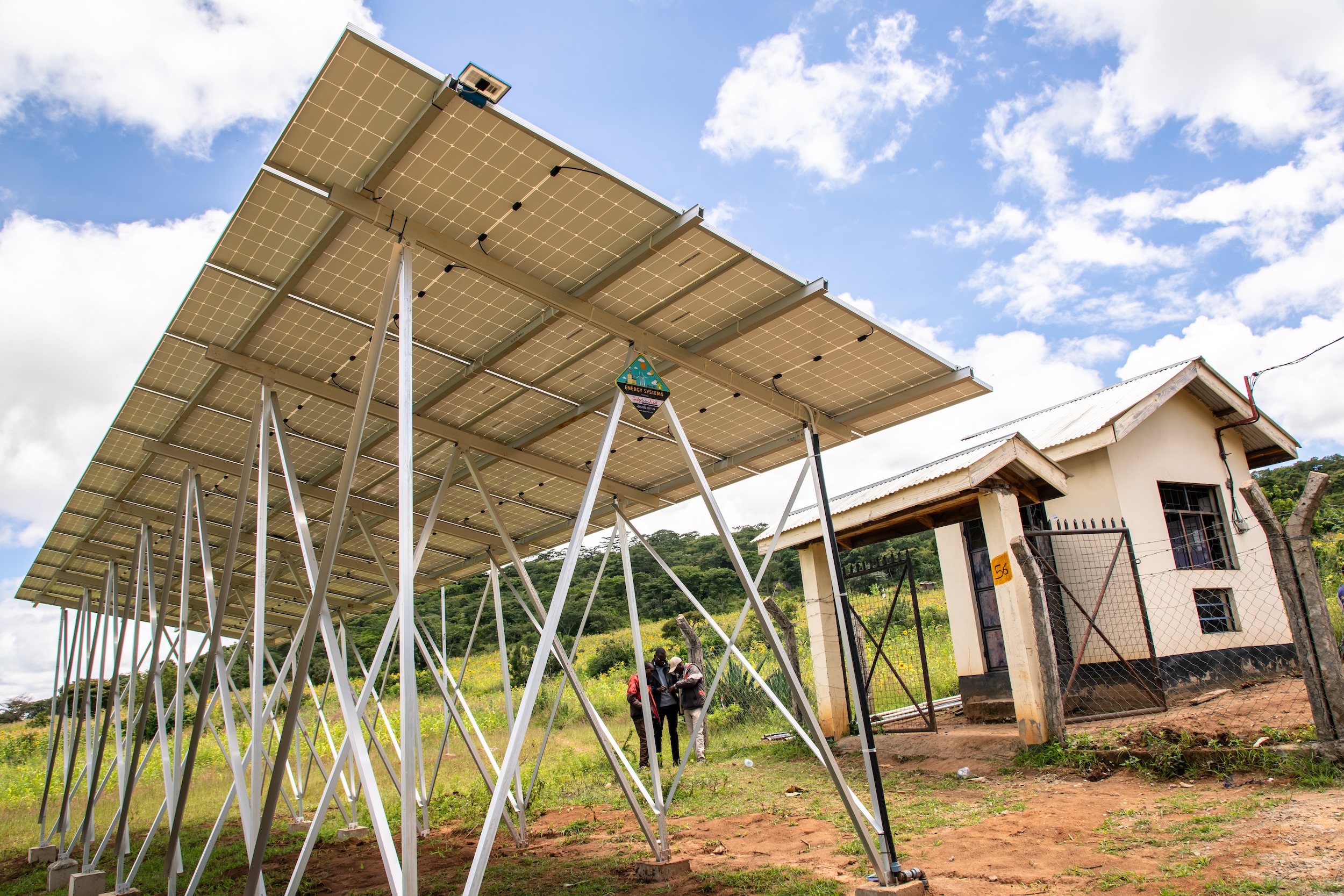
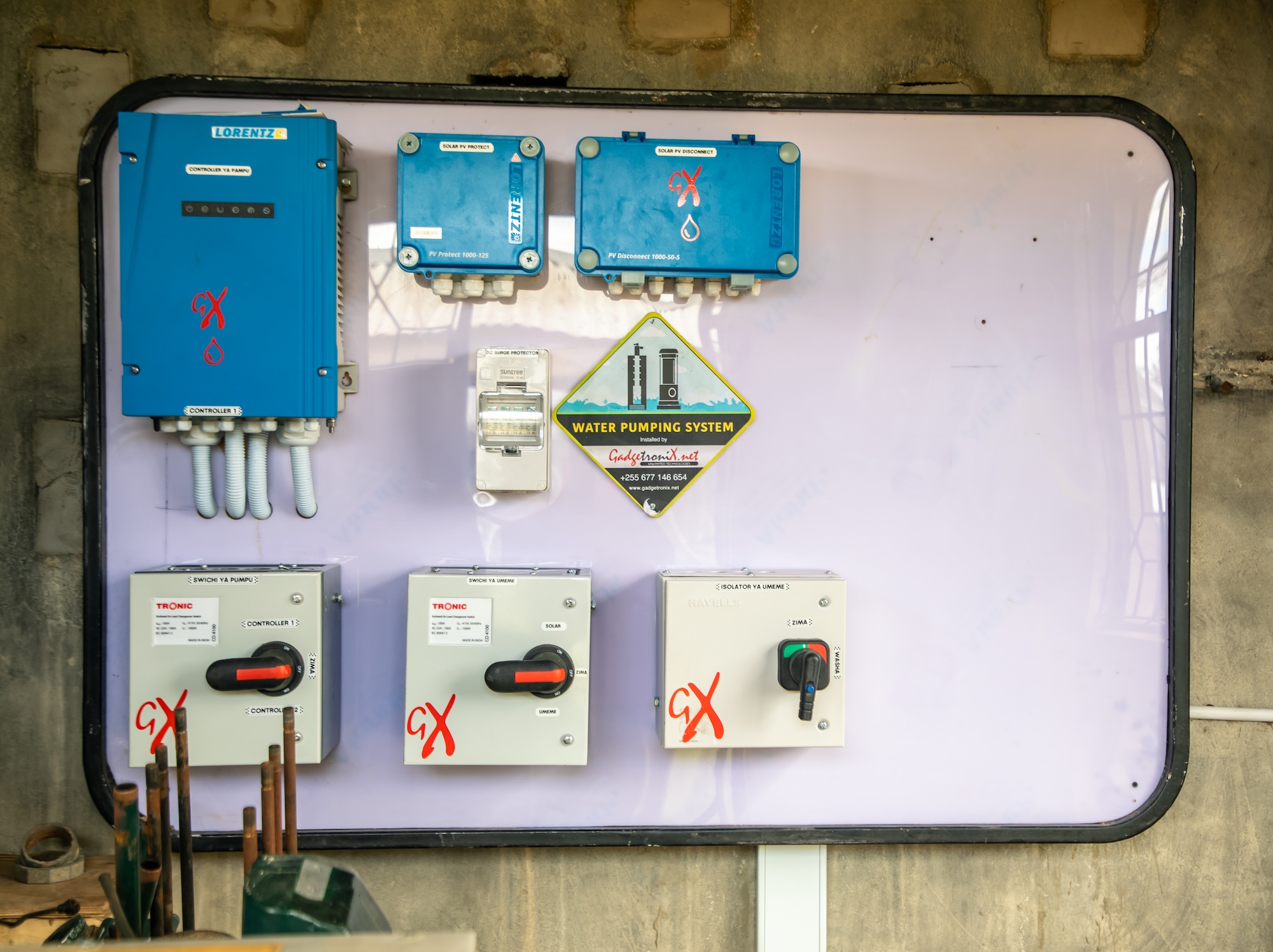
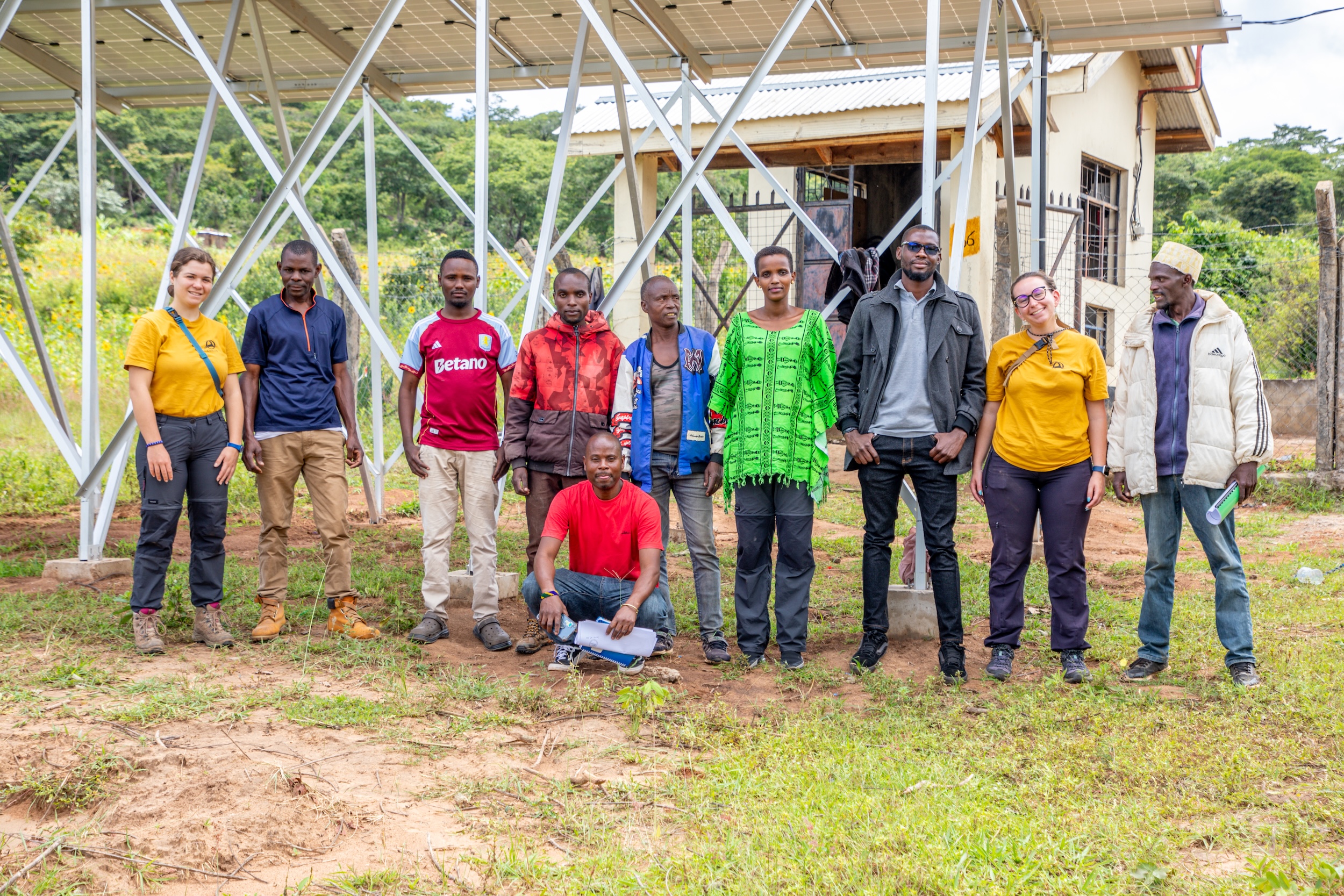
Through the EKOenergy-funded project implemented by Oikos East Africa in collaboration with RUWASA and local authorities, existing water pumping systems in Gidagharibu and Giding’wari are being converted to sustainable solar-powered systems. The project includes installation of solar photovoltaic panels, new pumps, hybrid controllers, and remote monitoring systems to improve reliability and reduce operational costs. Local authorities, Community-Based Water Supply Organisations (CBWSOs), and community representatives participated in project introduction meetings, site selection, and implementation planning.
The Results
The project will improve access to reliable and sustainable water services for 6,685 people, including 2,498 residents of Gidagharibu and 4,187 residents of Giding’wari, as well as 1,803 primary school students and two health centers serving approximately 94 patients per day. The new solar-powered systems are expected to reduce dependence on diesel fuel and unreliable electricity while strengthening long-term water management through training of local technicians and CBWSOs.