Boreholes and Trough Serve 5,000 People and Their Livestock
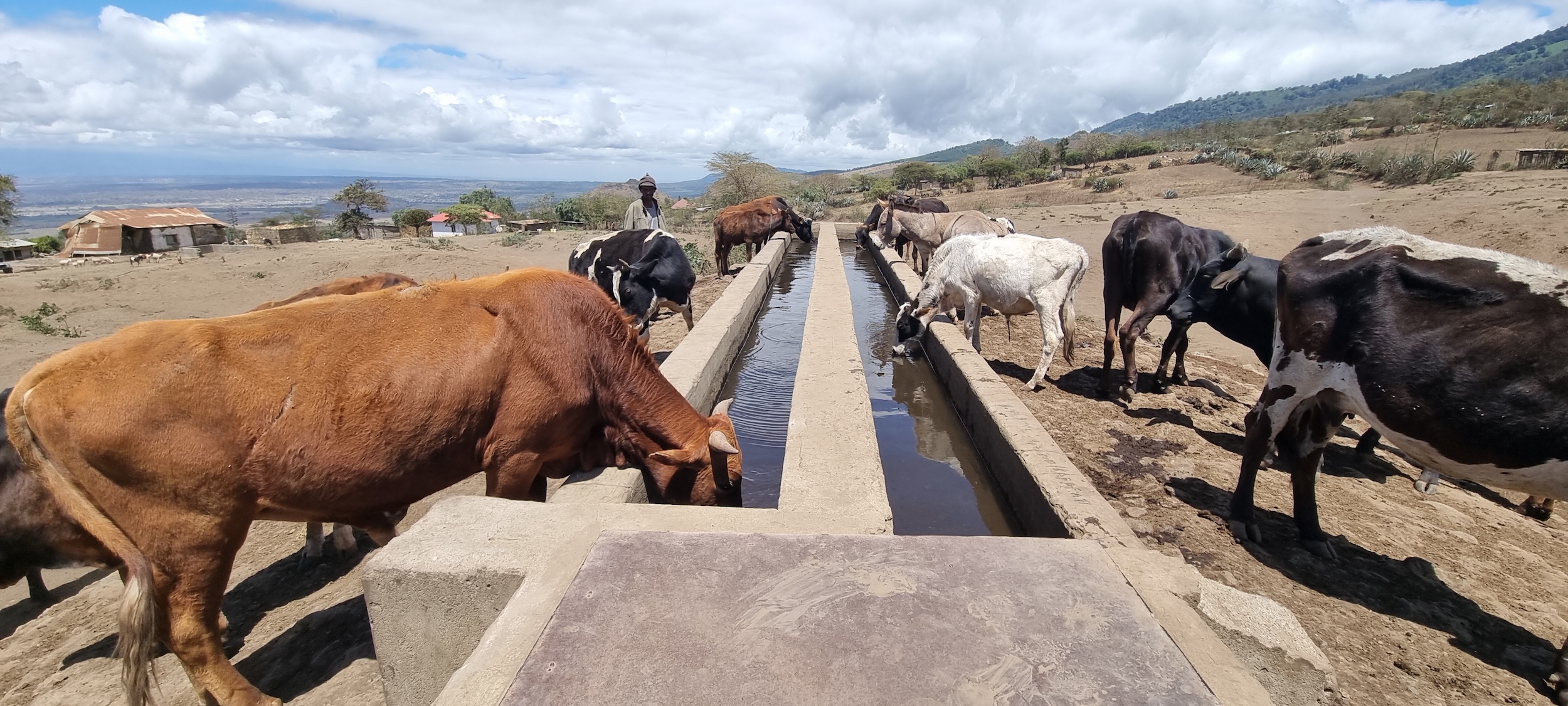
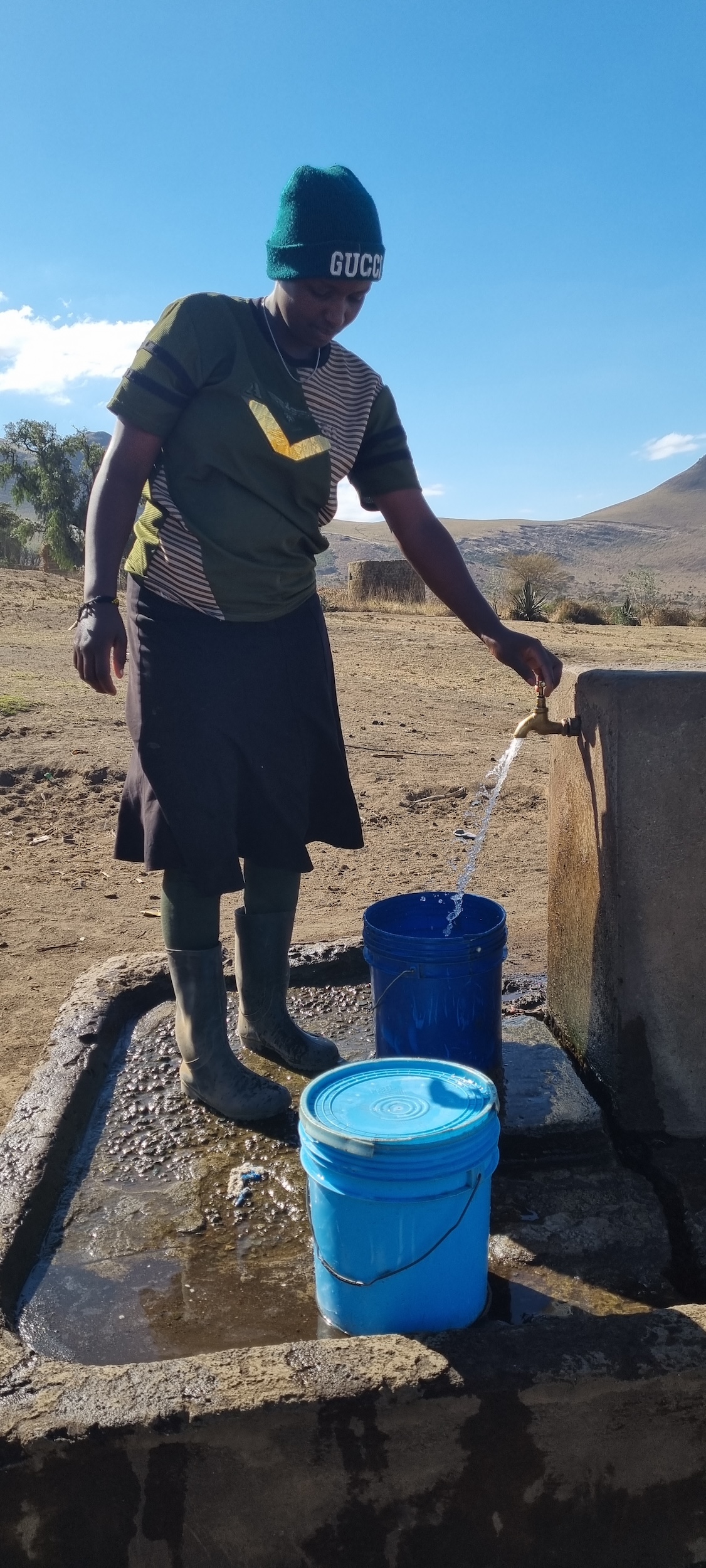
Each afternoon in Kisimiri Chini village, women line up at a single borehole while herders bring 450 cattle and more than 1,300 goats and sheep to the trough beside it, people and animals sharing one water point on the mountain slope.
The Challenge
Before the borehole and trough were built more than 15 years ago, Kisimiri Chini had no reliable water source. Residents and livestock relied on distant, often unsafe water points, with long walks especially hard on women and herders during dry seasons.
What Changed
That despite the system being built more than 15 years ago, it is still functioning and delivering the service. The village water committee currently manages a single borehole for domestic use alongside a nearby cattle trough for livestock, allowing herders and households to draw from the same source without competing for access. The committee coordinates use during the afternoon and evening hours, when demand from both people and animals is highest. This arrangement means residents and livestock keepers rely on the same basic infrastructure day to day, even as the community works toward formalizing a Community-Based Water Supply Organization (CBWSO) to strengthen long-term management, and asks for support to treat the water and rehabilitate the borehole and trough against ongoing wildlife damage.
The Results
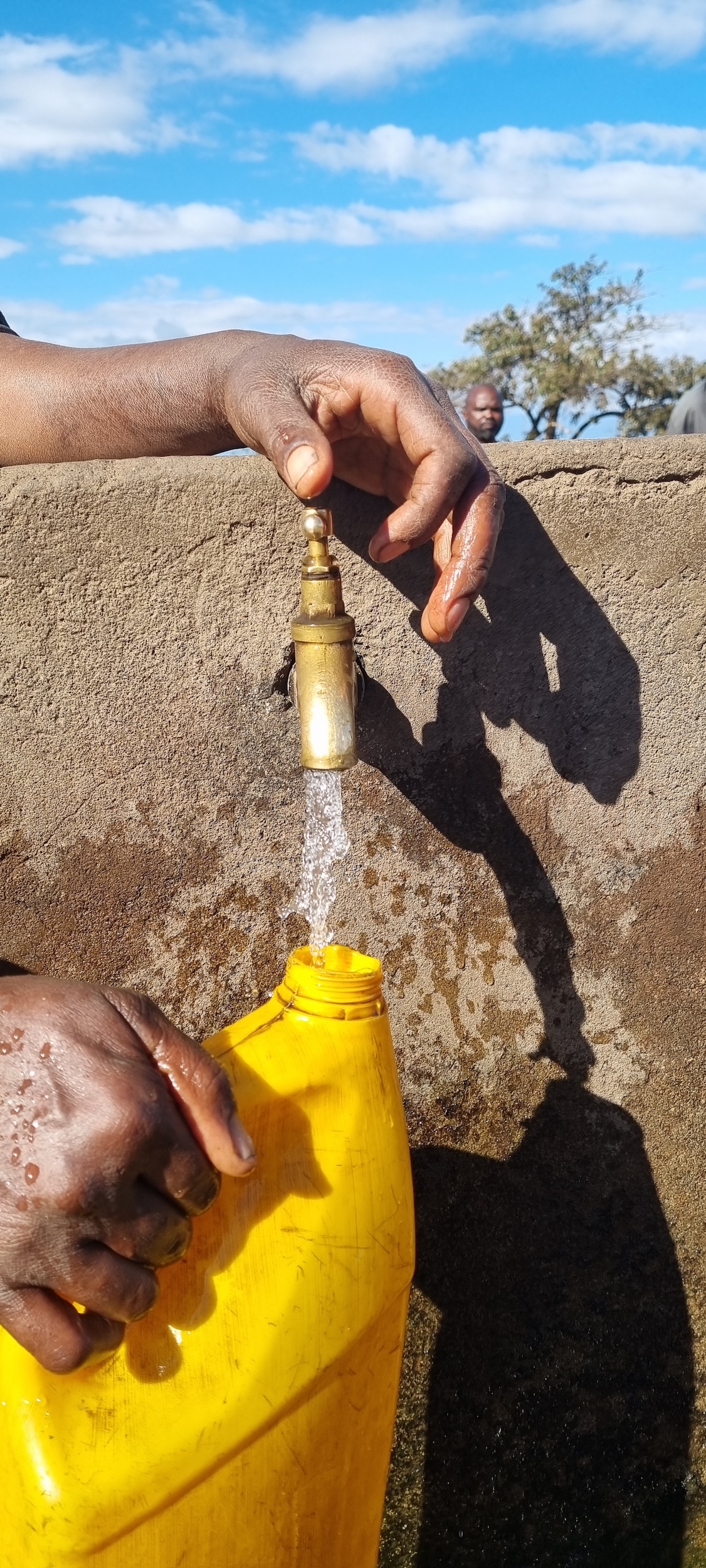
Today, the borehole supplies water to all 5,002 residents, while the adjacent cattle trough waters 450 cattle and roughly 1,300 goats and sheep every day—keeping both households and herds supplied from one community-managed source. But the system remains fragile: elephants in the uphill mountain area damage the trough and borehole infrastructure, and the water reaching households is still untreated. The community is seeking support to rehabilitate this shared infrastructure and introduce water treatment so the borehole and cattle trough can keep serving people and livestock safely and reliably as the village grows, including once the nearby college opens.