How Namakarani Women Built Livelihoods Through Savings and Small Businesses
In Namakarani, a remote sub-village reached only by rough roads, women once believed a business needed someone else's money to start. Today, seventeen of them run a livestock enterprise worth eighteen million shillings, built entirely from their own weekly savings.
The Challenge
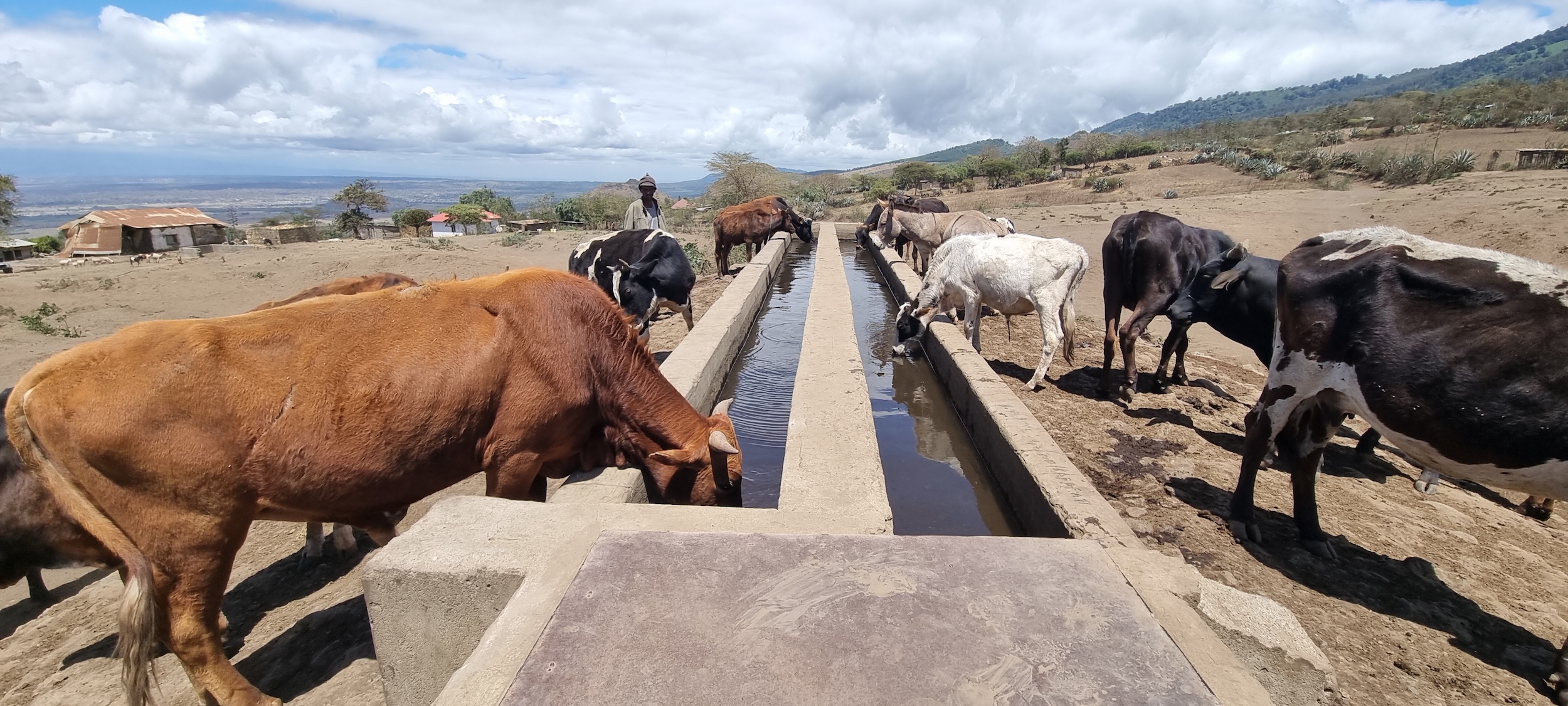
Namakarani, a sub-village of Komesha Village in Mfereji Ward, Monduli District, is hard to reach: poor roads leave hospitals, water points, schools, and markets several kilometers away, some barely accessible by car or motorcycle. For women, this isolation compounded existing barriers to markets, financial services, and business opportunities. Many held a simple but limiting belief: a business could only start with money from a husband, relative, or other outside source. Without capital of their own and without nearby places to trade, women in Namakarani had few practical paths toward earning an independent income.
What Changed
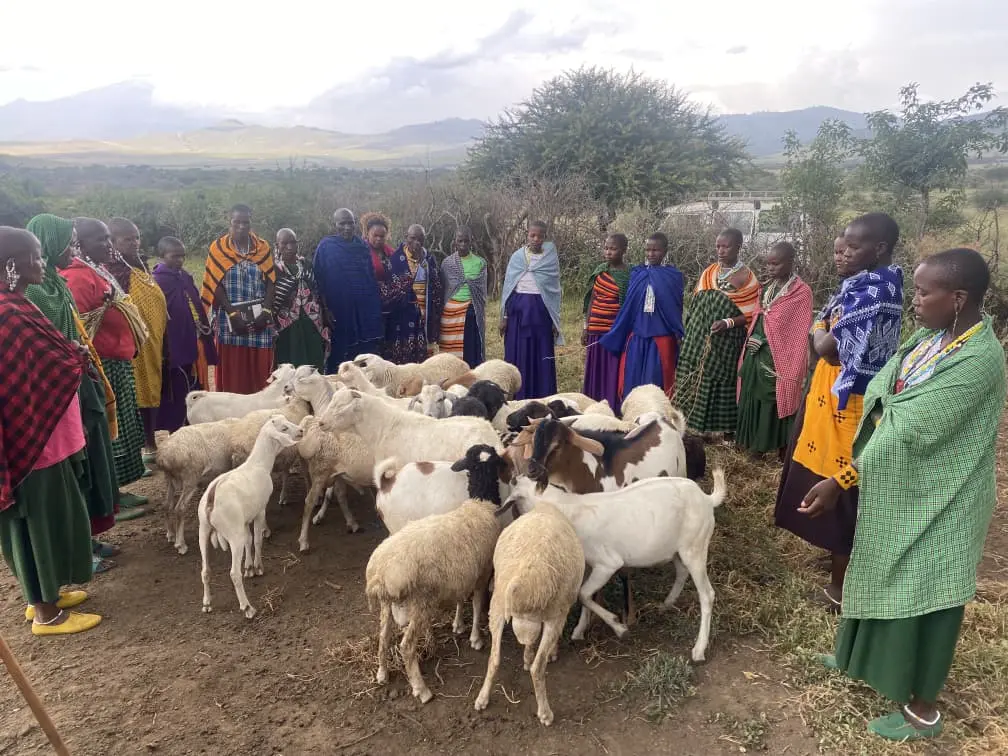
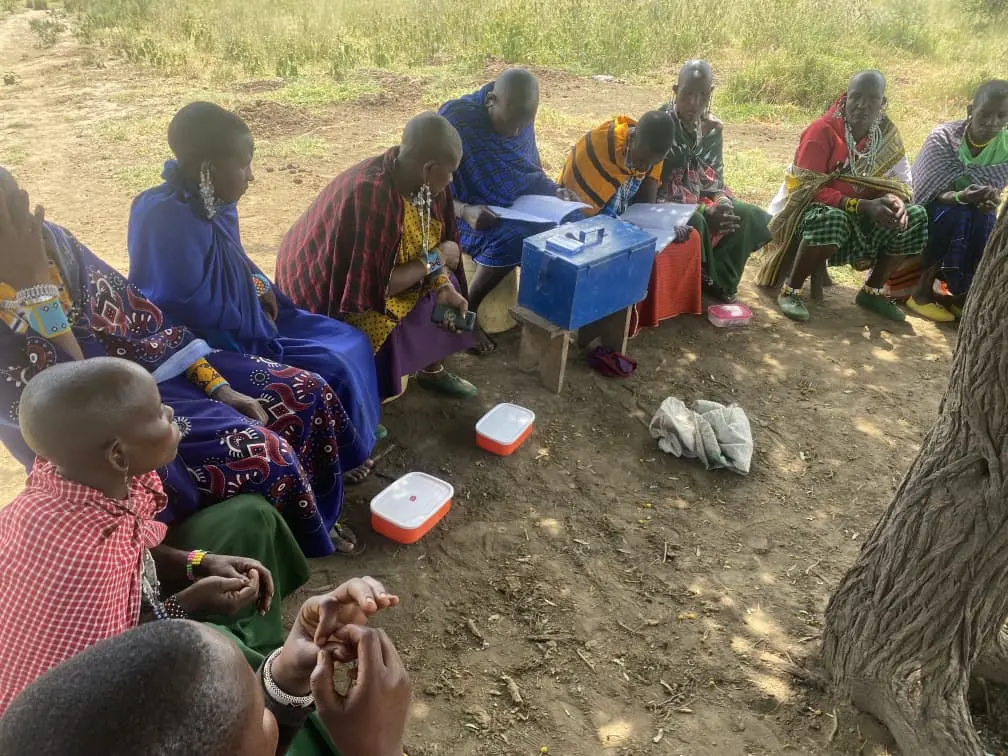
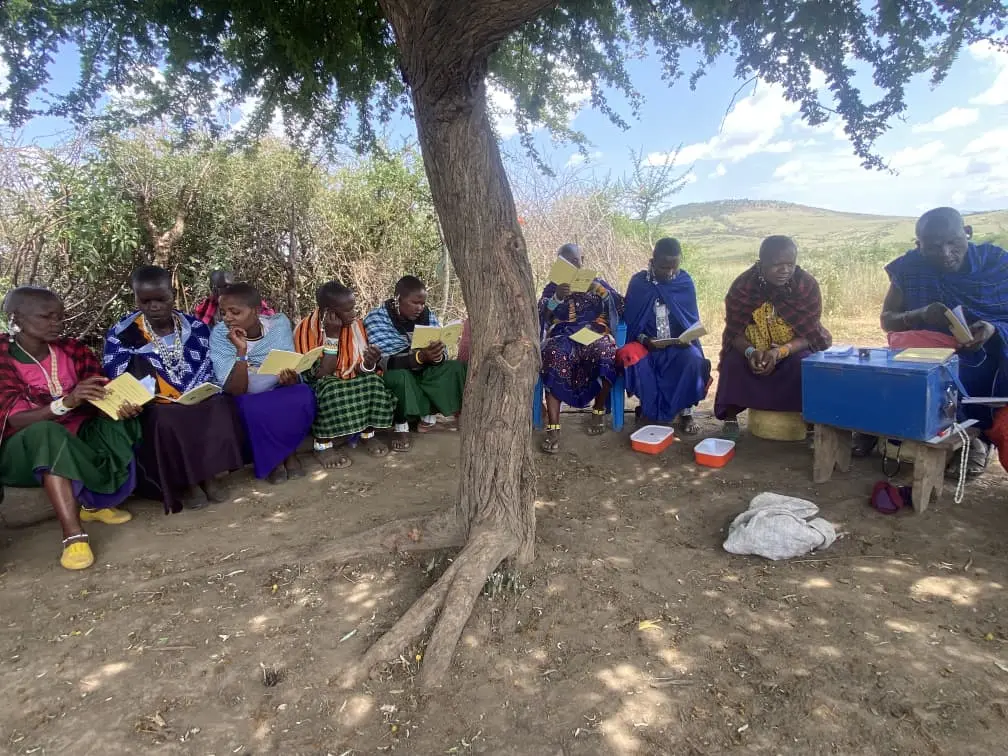
Through the three-year Darwin II project, working with Namakarani's Rangeland Guardians (RGs) and Resource Assessors (RAs), Oikos introduced Marketplace Literacy (MPL) and Community Conservation Saving Group (CCSG) training. Seventeen RGs took part in MPL, which helped them think differently about the barriers they faced. When the market they requested from local leaders struggled due to poor roads and few customers, they adapted rather than gave up, starting home-based businesses selling airtime, sugar, salt and rice, alongside phone-charging and hair-cutting services. Alongside this, the same 17 RGs, one RA and 12 other community women formed a CCSG, committing to weekly savings and small loans. After six months of saving, the group pooled their funds and invested collectively in a livestock-fattening business, buying 2 cows and 18 goats.
The Results
At the end of the cycle, the group reported earnings of approximately TZS 18 million from their livestock investment, proof that the belief 'I cannot start a business because I have no capital' no longer holds in Namakarani. Beyond the number, women who had never saved formally before learned to manage group finances, access loans without relying on husbands or relatives, and lead with more confidence. Home-based businesses now bring airtime, food staples, and services closer to neighbors who once travelled kilometers for them. What began as one training has grown into stronger savings habits, sharper leadership, and a community proving that small, regular contributions, paired with teamwork and discipline, can build real, lasting livelihoods.