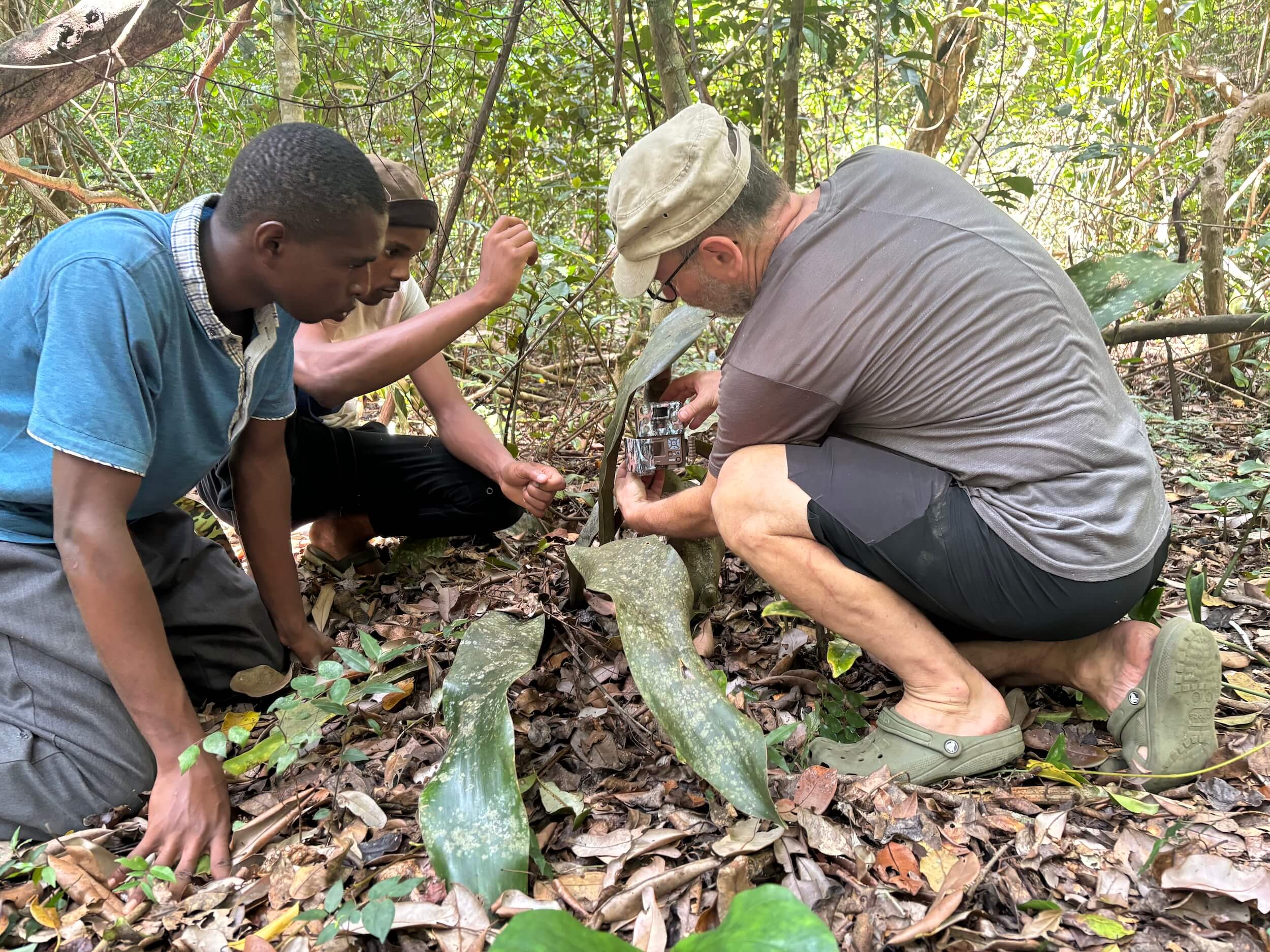
What We Do

Approach
At Oikos East Africa we tailor our work to the changing needs of local people, which means each project looks different depending on the local needs and context, from the construction of water boreholes in one district to rangeland health monitoring in another. Consistent throughout our programmes is our commitment to breaking down barriers that hold women back from participating in sustainable resource use decisions. By placing women at the center of our work, we aim to help unleash their potential to achieve the positive social and environmental impact they envision.
Oikos East Africa believes in the power of working together to create a collaborative working environment, and our layered approach to conservation means that we act simultaneously on the community, institutional, and scientific levels.
Since its foundation, Oikos East Africa has worked in partnership with local and international NGOs, state and parastatal Tanzanian institutions, international research institutes, and universities to strengthen monitoring and knowledge sharing opportunities.
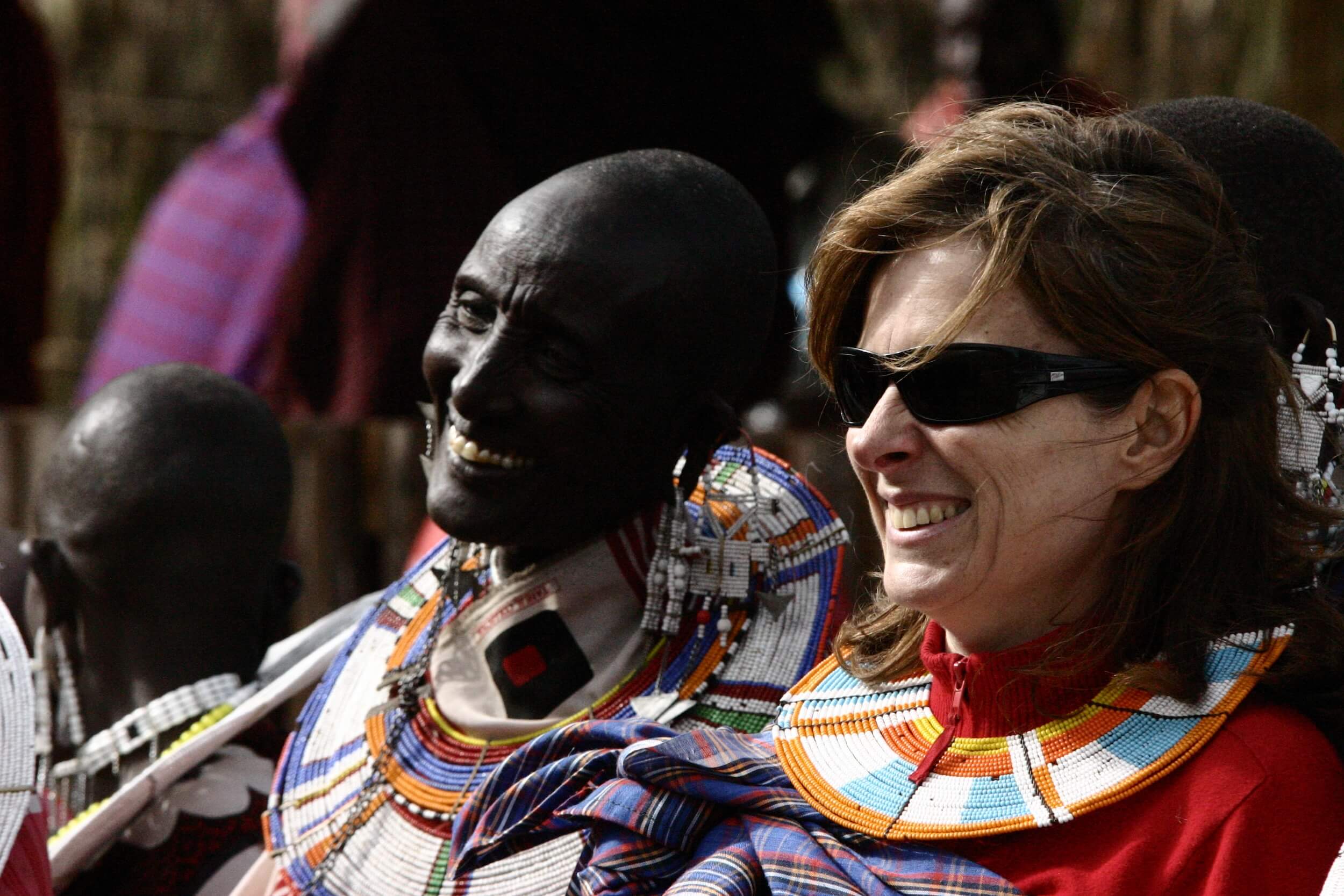
Sectors of Intervention
Women empowerment
Water
Climate
Biodiversity
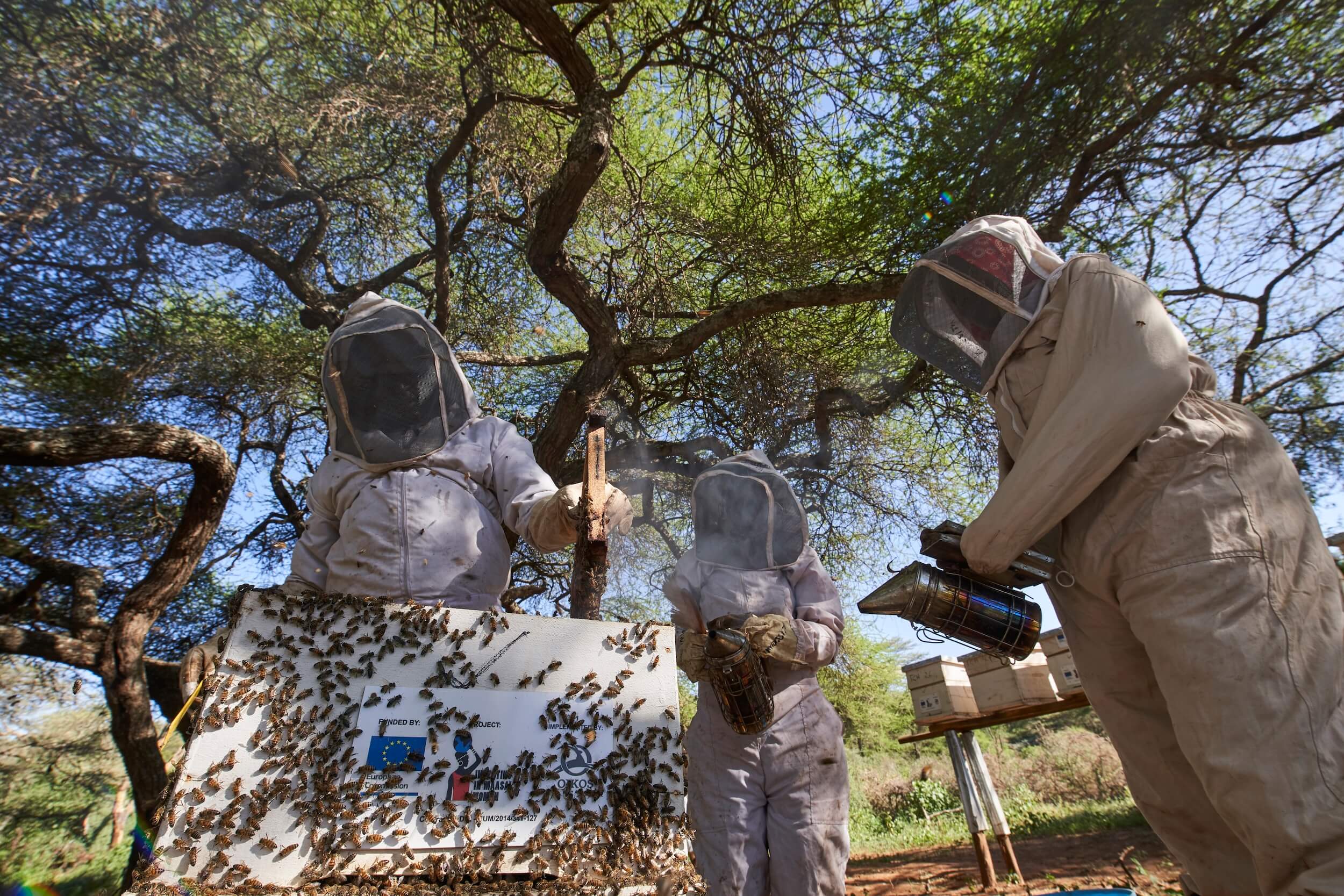
Approach
Our approach is to target the protection of biodiversity, the sustainable use of natural resources and the access to safe water, sanitation, and hygiene, as tools to fight poverty and boost community well-being in Tanzania, especially for women and youth, while employing a systemic, interdisciplinary approach, drawing on the expertise of a diverse team of technical advisors, engineers, community development officers, ecologists, and education and outreach specialists. The organization is committed to high ethical and scientific standards in supporting rural communities and local governance to improve livelihoods and protect ecosystems through culturally and environmentally sensitive interventions, deeply rooted in the principles of environmental stewardship, social equity, and economic development.
To ensure that Oikos East Africa’s interventions respond directly to the needs and priorities of local communities, the organisation systematically conducts participatory needs assessments in target villages. This inclusive approach ensures that project design is firmly grounded in local realities while fostering strong community ownership, commitment, and long-term support for the planned activities. Oikos East Africa is committed to defining, testing, and promoting science-based strategies and technologies that assist local communities to use their own water, soil, and forests in the most efficient and sustainable ways. Our work is grounded in respect for cultural diversities and dedication to co-creation and co-implementation with local people. This approach allows us to address the interconnected needs challenging Tanzanian landscapes today, such as increasing the economic independence of vulnerable communities and tackling climate change.
Our People
Oikos East Africa is driven by a passionate, multidisciplinary team of professionals, including ecologists, community development officers, engineers, social scientists, and project managers. Our leadership team is composed of individuals with extensive experience in biodiversity conservation, climate resilience, and rural development in Tanzania.
We are governed by a Board of Directors that provides strategic oversight and ensures alignment with our mission and values. Additionally, we benefit from the support of an International Advisory Council composed of experts from partner organizations, research institutions, and academia who offer guidance on scientific rigor and global best practices.
Our staff are based in our main office in Arusha city and a sub-office in Wete in Pemba island in Tanzania. They are embedded within the communities they serve, ensuring that our work remains grounded, inclusive, and locally relevant.
Our Science
Science is the backbone of Oikos East Africa’s approach to conservation and development. We design our interventions based on evidence and monitor their impacts through continuous ecological, social, and spatial data collection.
Our team uses tools like GIS mapping, vegetation assessments, roadkill monitoring, and rangeland health evaluations to inform strategies that enhance biodiversity and community resilience. We collaborate with Tanzanian universities, research institutions, and global academic partners to ensure the integrity and relevance of our methodologies.
By integrating traditional ecological knowledge with modern science, we support communities in making informed decisions about their landscapes and livelihoods.
Our Accountability
Transparency, integrity, and responsibility are core to how we operate. Oikos East Africa adheres to rigorous financial management and reporting standards to ensure every grant is used effectively and ethically.
We regularly publish mission reports, financial statements, and project evaluations, which are accessible to stakeholders and the public. Independent audits are conducted annually, and our programs are evaluated using both internal learning systems and external reviews to ensure impact and efficiency.
We maintain open lines of communication with community members, partners, and donors, and welcome feedback to continuously improve our work.
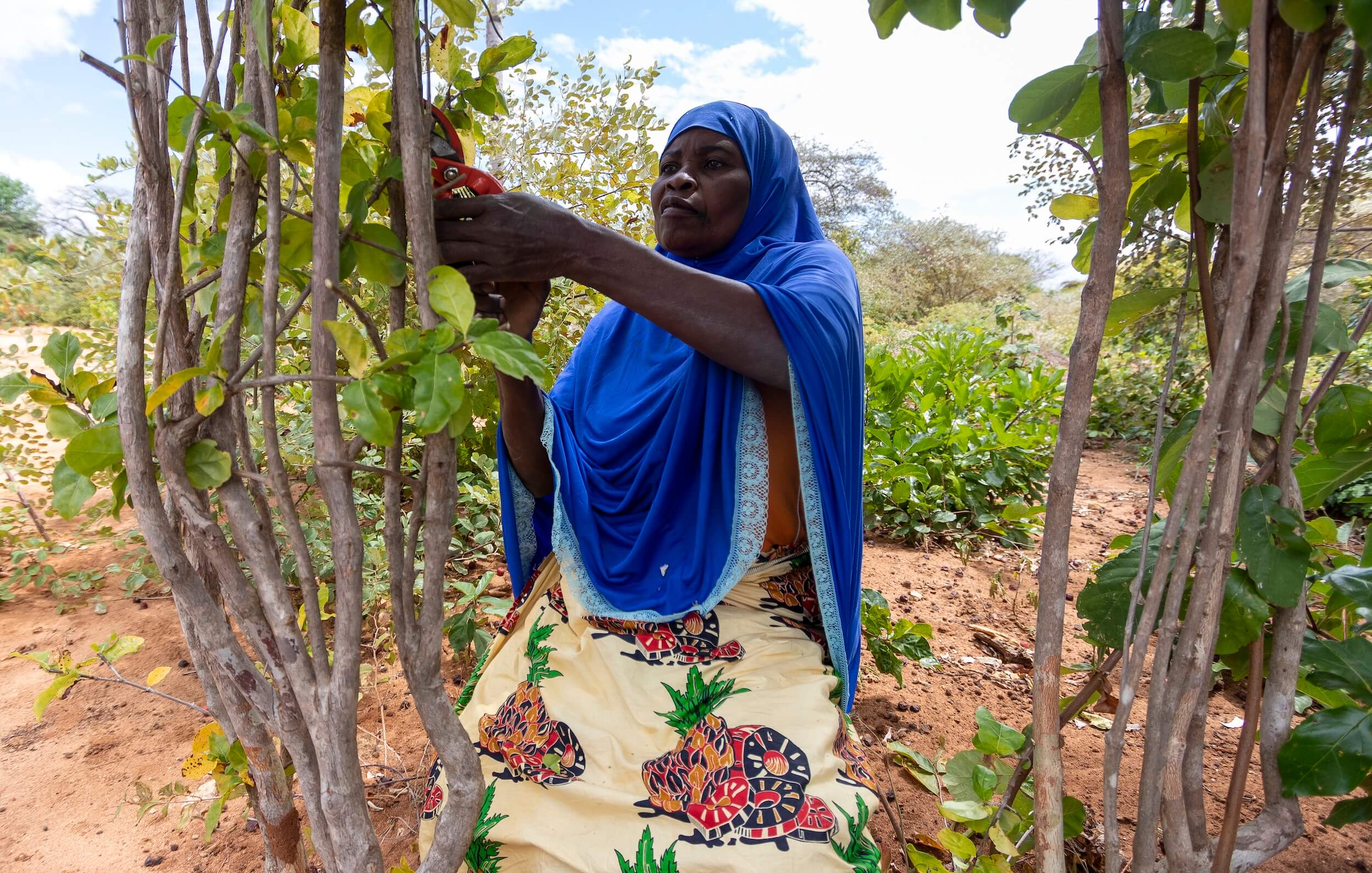
How We Work
Oikos East Africa works at the intersection of people and nature. Our approach is community-led, evidence-based, and collaborative. We engage communities from the beginning of every project from planning and implementation to monitoring and evaluation to ensure ownership and long-term sustainability.
Our model operates on three levels:
- Community level: Building capacity, strengthening governance, and supporting local leadership.
- Institutional level: Collaborating with local authorities, government departments, and national networks.
- Scientific level: Using data and research to inform practice and advocate for policy change.
We tailor our interventions based on the ecological and social context of each location, ensuring solutions are culturally appropriate and environmentally sound. Gender equity is embedded in all we do, with a strong focus on empowering women and girls to become leaders in sustainable development and natural resource management.
Programmes
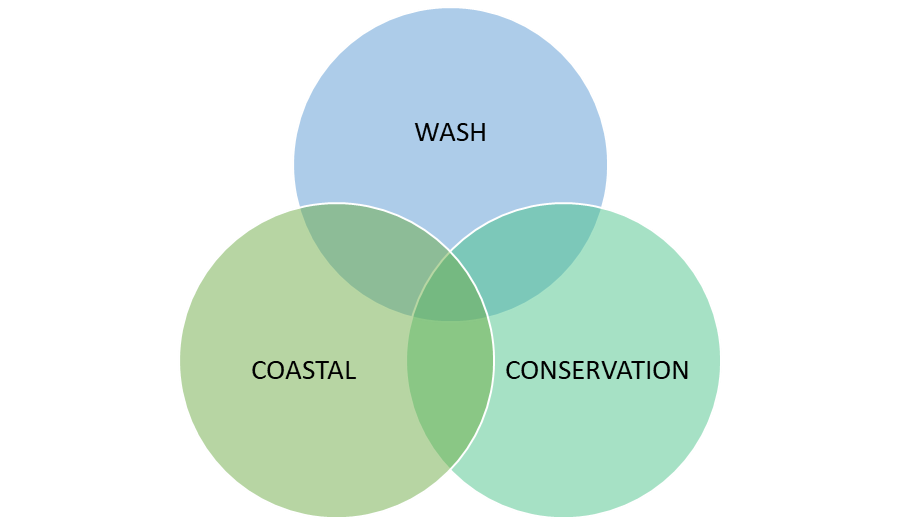
Conservation Programme
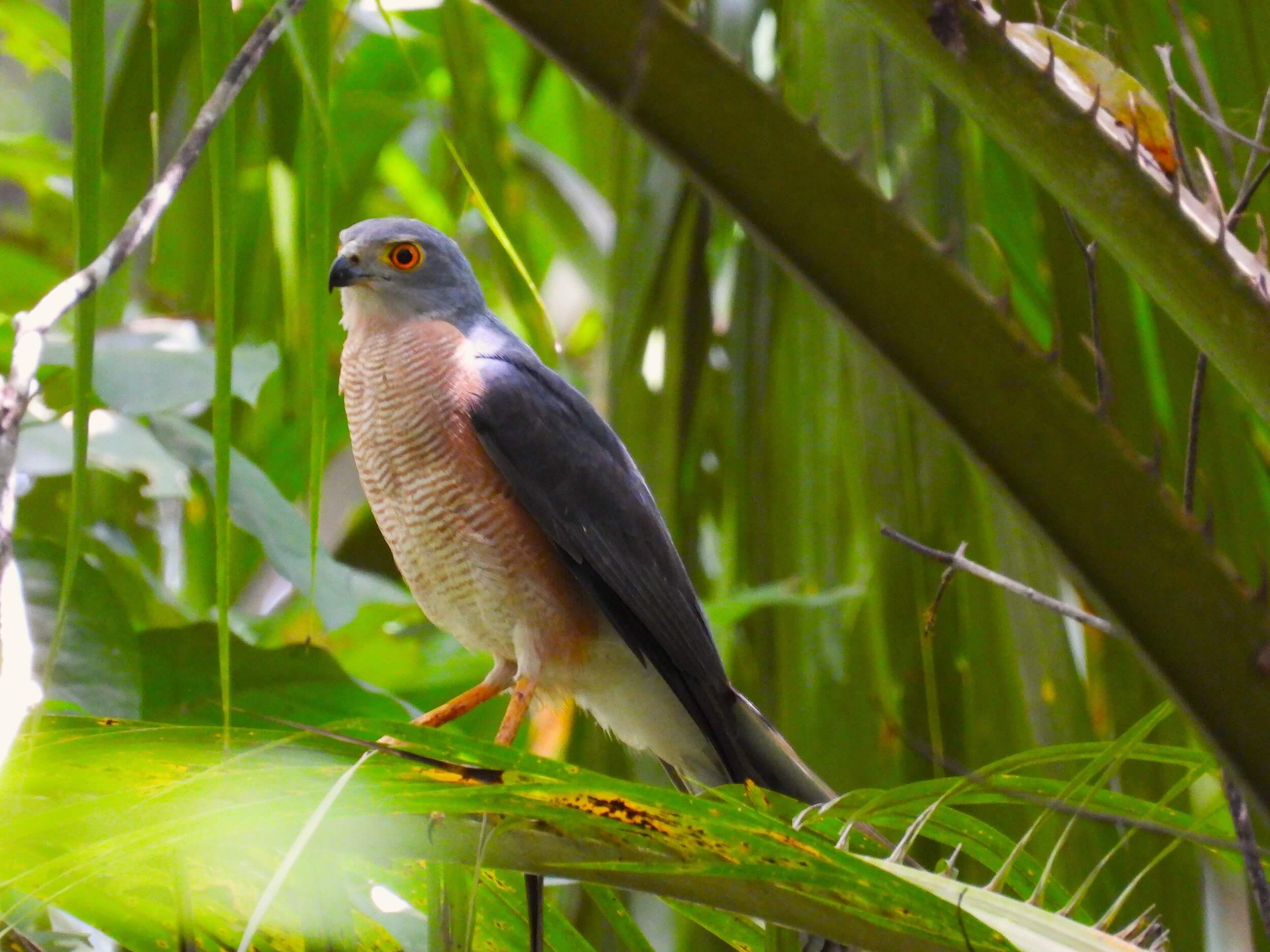
Oikos East Africa’s Conservation Programme focuses on preserving biodiversity and promoting sustainable natural resource management across northern Tanzania. Operating in ecologically sensitive areas such as the Tarangire-Manyara, Mkomazi and the Amboseli-West Kilimanjaro landscapes, our approach integrates community-based conservation, ecological monitoring, and climate resilience. This holistic, bottom-up approach, placing communities as the main actors to protect, restore and value these unique ecosystems, wildlife and plant species.
Key interventions include women-led rangeland restoration and community-led rangeland management and restoration, improved human-wildlife coexistence, community-led forest protection, restoration and management, conservation education, community awareness, and improved livelihoods.
Oikos East Africa also emphasizes science-based decision-making by supporting regular ecological assessments, wildlife monitoring, and landscape pattern analysis. Our holistic approach ensures that conservation efforts contribute directly to sustainable livelihoods, climate adaptation, and long-term ecosystem health.
The holistic community led restoration approach links the protection, restoration and management of biodiversity with sustainable livelihoods by connecting environmental recovery, climate resilience, and community-based economic empowerment. It combines restoration with entrepreneurship, strengthened value chains, financial literacy, and community conservation savings groups. By addressing social and environmental needs together, it empowers women and youth, promotes fair benefit sharing, strengthens local ownership, and builds long-term resilience.
.jpeg)
WASH Programme
Oikos has been committed to improving access to safe water, sanitation, and hygiene (WASH) in Tanzania for nearly 20 years. Our approach integrates infrastructure development, community engagement, and capacity building to ensure long-term sustainability. We construct and rehabilitate rural water schemes, including gravity systems, boreholes and shallow wells, and solar-powered pumping systems, benefiting over 1.1 million people across multiple regions of Tanzania mainland and Zanzibar island.
Oikos' work in the WASH sector is deeply rooted in the principles of environmental stewardship, social equity, and economic development. In particular, Oikos interventions in the WASH sector focus on the following core areas:
- Rural Water Supply Infrastructure Development
- Community-Based Water Supply Organizations (CBWSOs)
- Sustainable Water Management through Public-Private Partnerships (PPPs)
- Sanitation and Hygiene Promotion (including Menstrual Hygiene Health – MHH)
- Climate-Resilient Water Solutions
- Policy Development and Sectoral Advocacy
Oikos collaborates with a wide range of stakeholders, including government agencies such as the Rural Water and Sanitation Agency (RUWASA), line Ministries (Ministry of Water - MoW, Ministry of Health - MoH, PO-RALG, Ministry of Education Science and Technology), regional and district authorities, local communities, and international donors. Oikos is also an active member of the Tanzania Water and Sanitation Network (TAWASANET), engaging with national and international NGOs to contribute to policy development and sectoral advancements.
Oikos has contributed to the Community Engagement process for a proposed Public Private Partnership (PPP) rural water supply project in collaboration with RUWASA, targeting 5 Regions and 15 Districts around the country. Recently, Oikos supported RUWASA in the development of a Sustainability Strategy and backstopping models to support sustainability and improve performance of CBWSOs at National level.
For Zanzibar island, Oikos is closely working with the Zanzibar Water Supply Authority (ZAWA) ministry of Water Energy and Minerals (MoWEM), ministry of Education and ministry of Health.
COASTAL Programme
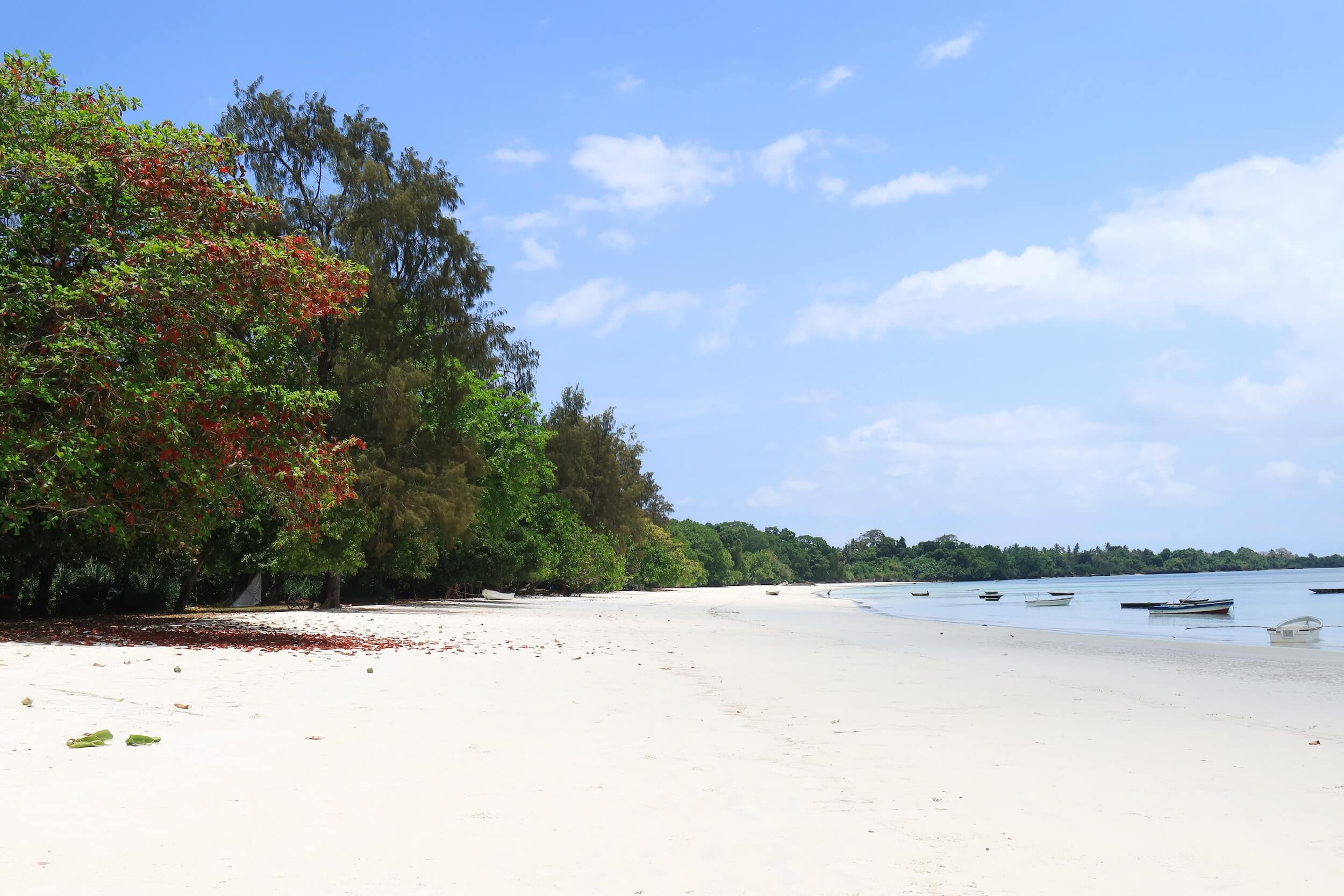
Oikos’ Coastal Programme, launched in 2023 with the opening of its Wete office in northern Pemba, brings the organisation’s strongest experience in WASH and conservation to the Zanzibar archipelago.
In the urban areas of northern Pemba (Wete and Micheweni districts), we work to improve access to safe water, sanitation, and hygiene services, particularly in schools, health clinics and public institutions. Activities include the rehabilitation of wells, the improvement of sanitation and waste collection facilities, and training for local authorities on sustainable water management. At the same time, awareness campaigns promote good hygiene practices and responsible waste management among students, families, and communities, contributing to healthier environments and greater resilience to climate and urban pressures.
On the other hand, we support the conservation of the Ngezi–Vumawimbi forest, the last remaining indigenous forest on Pemba Island, which is a unique ecosystem of global importance. Our programme includes ecological monitoring, strengthened forest protection, and improved management practices. At the same time, we work closely with local communities to raise environmental awareness, promote sustainable livelihoods, and encourage responsible nature-based tourism, ensuring that the forest’s protection goes hand in hand with long-term benefits for people living around it.
Sectors of interventions
With a focus on Tanzania’s northern region and on women and girls, OEA works closely with local communities around four priority areas:
A. Nature-based solutions for community well-being:
Oikos East Africa collaborates with local communities, national and international research institutions, and wildlife authorities to develop sustainable and effective strategies for natural resource conservation and management. In Tanzania, rural communities depend strongly on environmental resources for their survival. In fact, most rural livelihoods are entirely nature dependent. Oikos East Africa implements data-driven conservation programs to further nature-based solutions which are defined as actions to protect, sustainably manage and restore natural or modified ecosystems that address societal challenges effectively and actively, simultaneously providing human well-being and biodiversity benefits (IUCN, 2016). Oikos East Africa strives to enhance local communities and decision-makers’ knowledge to identify growth strategies that balance the utilisation of natural resources with the maintenance of healthy ecosystems, or actively restoring those that have been degraded.
B. Climate change adaptation:
The impacts of climate change are endangering nature, people, and livelihoods in Tanzania. Nature-dependent communities are on the frontlines of these impacts. Oikos East Africa engages with rural communities to identify and implement resource management and adaptation strategies to reduce the risks linked with climate change. Projects include sustainable water management for humans and livestock, rangeland conservation, community forests and protection of springs, promotion of biogas plants, tree planting, installation of rainwater harvesting systems, organic farming, awareness and education to increase capacity to manage risks, and dissemination of energy efficient technologies.
C. Water for people, wildlife, and livestock:
The right to safe and clean drinking water and sanitation remains out of reach for too many people in rural Tanzania. At Oikos East Africa, we count water security as a fundamental human rights issue and the foundational first step to engaging in sustainable natural resource management and development. Oikos East Africa is committed to designing and implementing initiatives together with rural communities to promote and preserve fair and equal distribution of ecosystem services. Oikos East Africa’s water programmes combine infrastructure development with community-based capacity building, promoting sustainable management models and supporting the preparation and implementation of guidelines for the sustainable use of natural resources, in close collaboration with relevant ministries, government agencies, local authorities, and water users.
D. Elevating the role of women & girls:
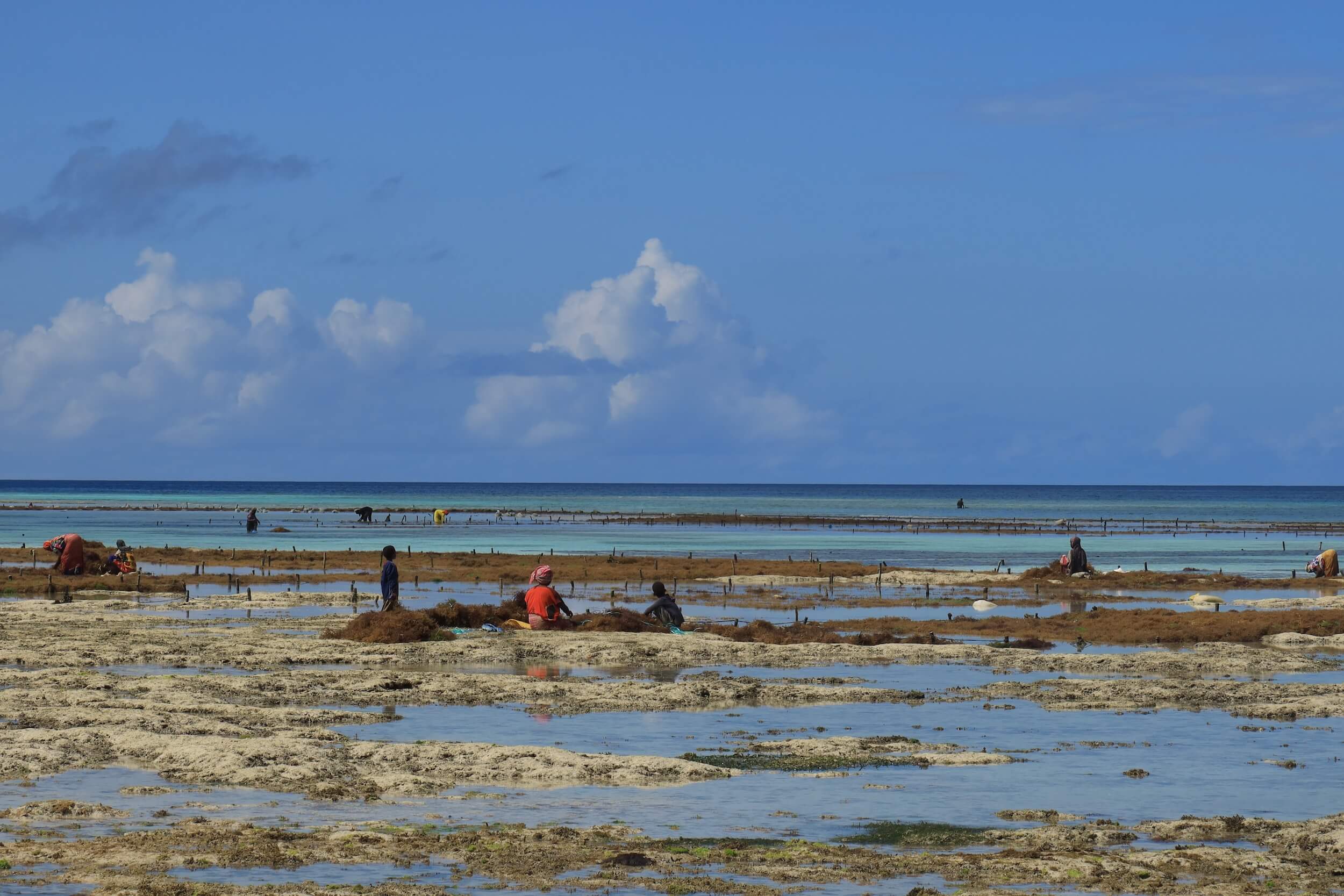
Consistent throughout our programming is our commitment to breaking down barriers that hold women back from participating in sustainable resource use decisions. By placing women at the center of our work, we aim to help unleash their potential to achieve the positive social and environmental impact they envision for themselves and future generations. Oikos East Africa works closely with pastoral women, a population on the frontlines of climate change whose voices are too often unheard. Already, Oikos East Africa has empowered more than 10,000 pastoralist women through marketplace literacy courses and the introduction of culturally acceptable skills and technologies, which has led to improved transboundary conservation of key wildlife areas in the Greater Kilimanjaro and the Natron-Nguruman ecosystems. A women-led rangeland restoration approach in the Manyara-Tarangire corridor, where land degradation and competition for land use are increasing, empower women to become catalysts of sustainable rangeland management.
Empowering communities through sustainable conservation
We believe the health and wellness of future generations will be secured with today’s people-centered approach to environmental conservation.
.jpg)