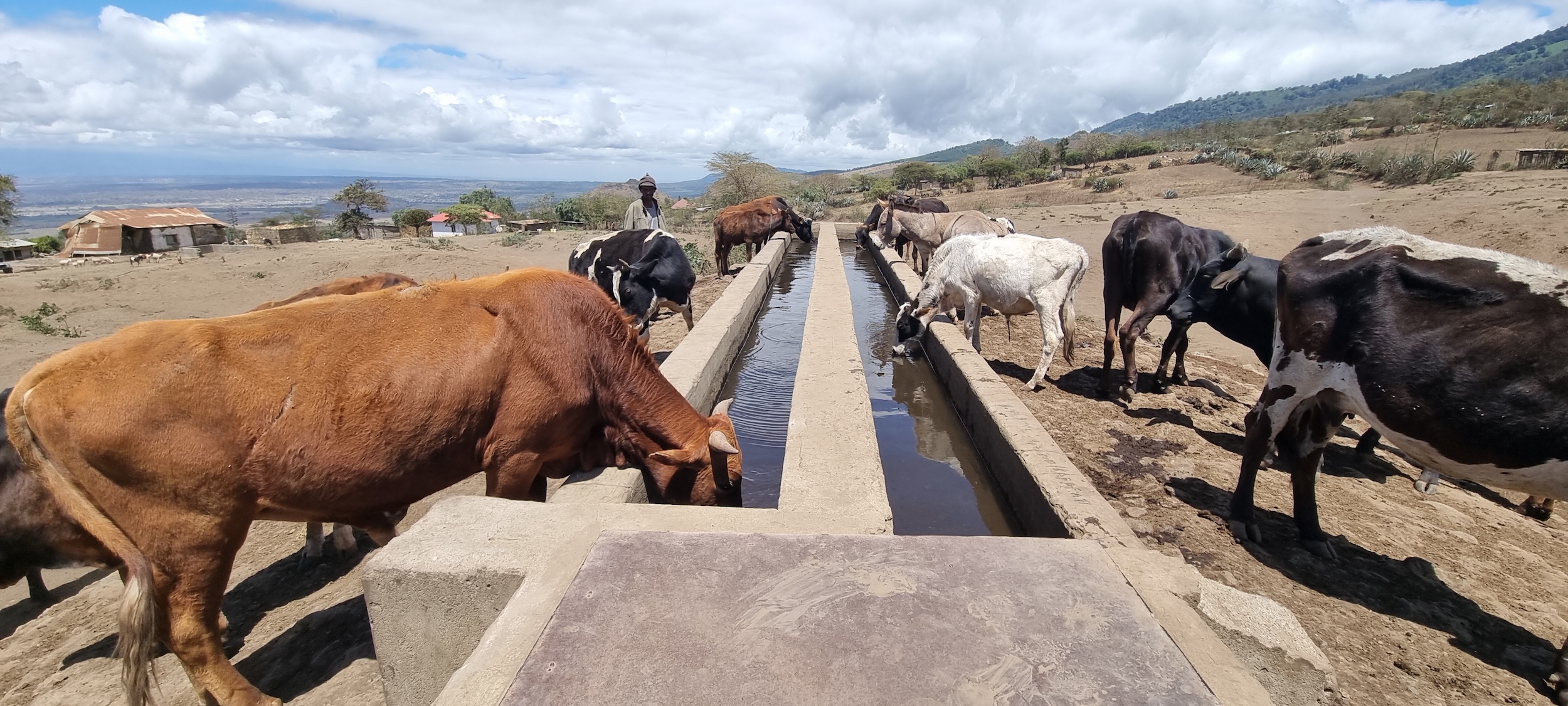
Naitolia's Women Rangeland Guardians Bring Degraded Land Back to Life
On a bare, invasive-choked rangeland in Naitolia village, a group of women knelt in the dust, uprooting invasive plant species, digging half-moons by hand under the sun, determined to bring life back to land everyone else had given up on.
The Challenge
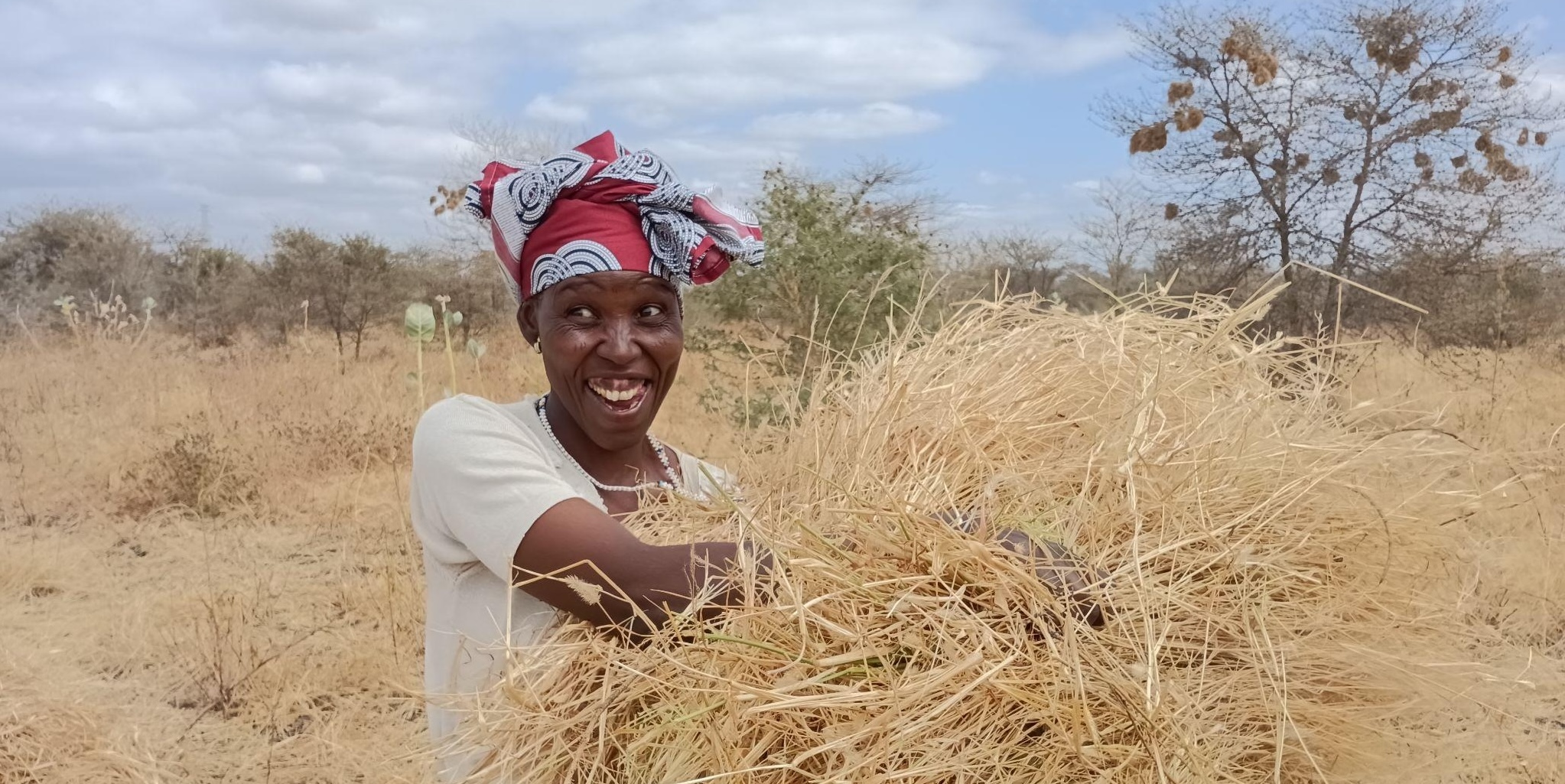
The Naitolia restoration plot was overrun by invasive Calotropis procera and Senna obtusifolia, with large patches of bare ground left behind. Restoring it meant digging half-moons, building seed traps, and manually removing invasive plants, work that demanded strength, patience, and countless hours under the sun. Grazing on the restoration sites added further pressure, and for a long time the women carried the burden of healing the plot largely on their own, walking long distances to reach the plot.
What Changed
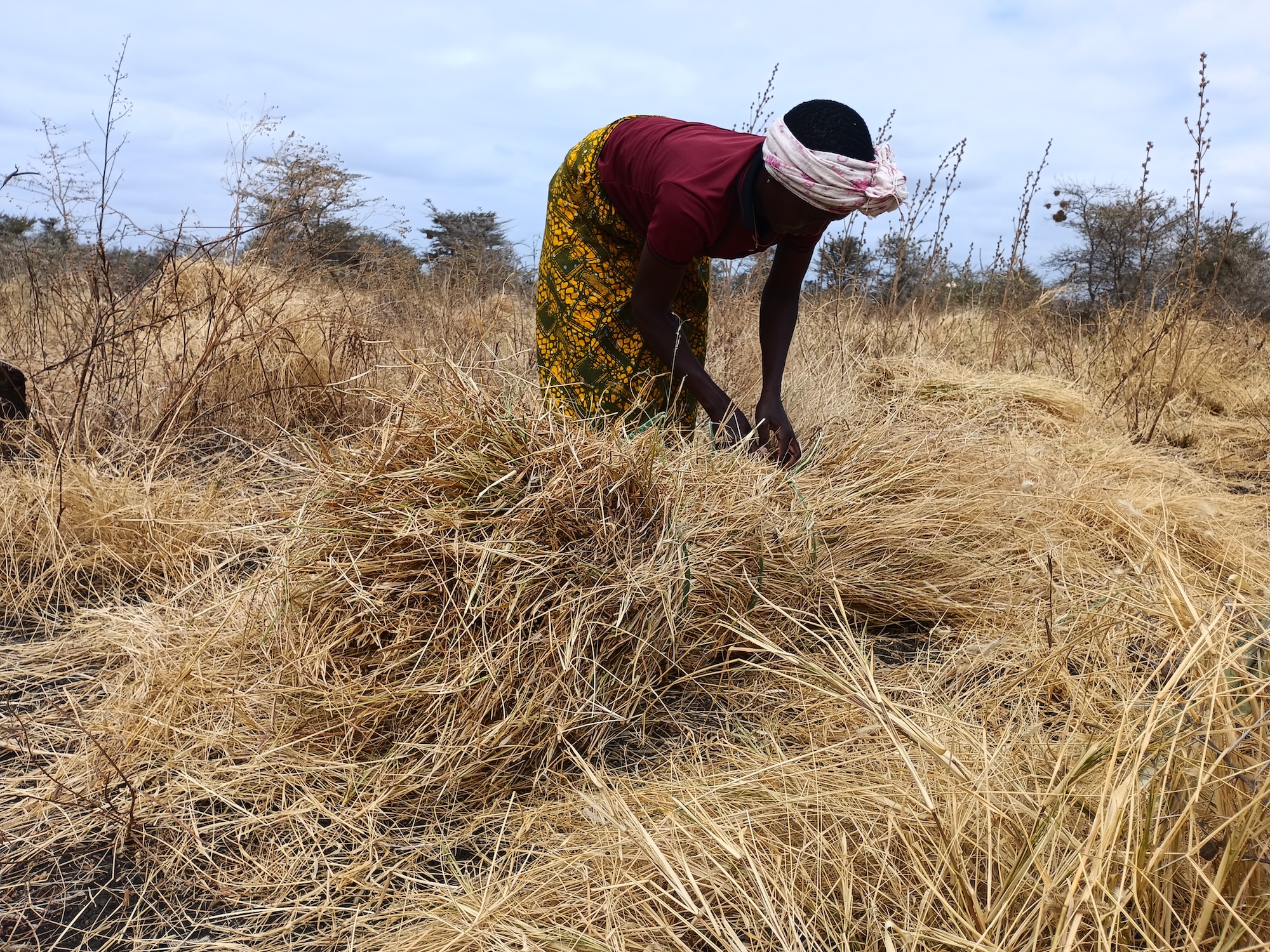
Everything shifted when the village council leaders stepped in, recognizing the distances the women walked and the dedication they brought to healing land for the whole community. The turning point came when they harvested grasses from the restoration plot for the first time, grasses they can now sell during the dry season to support their households. Even though Senna obtusifolia still dominates some patches, the return of multiple native grass species shows the land is genuinely recovering. Word of their success spread: women rangeland guardians from other villages have since visited Naitolia through exchange programs to learn directly from the group and apply the same techniques at their village land.
.jpg)
The Results
Inside the restoration plot, the land tells a story of resilience, native grasses returning, a household income source in dry-season through selling of harvested grasses, and a group of women whose determination changed what their community believed was impossible. Outside the plot, invasive species like Calotropis procera, Senna obtusifolia, and Parthenium hysterophorus remain widespread, and the guardians have committed to extending their restoration techniques there too, training the wider community along the way. What began as one group's fight against degraded land has become a proof point: community-led, women-driven restoration works.