WASH
Ongoing

Sustainable Water Pan
Abstract
Water pans are an essential source of water for most isolated agro-pastoral societies across Africa and particularly in Tanzania. However, their existence is compromised by various factors, most notably a lack of clear laws, regulations, and policies governing their construction, use, and management. In addition, poor management practices, severe siltation, infrastructure damage, environmental degradation, poor water quality, and wildlife conflicts compromise water-pan sustainability. This project aims to promote sustainable management and community development by improving local monitoring, well-being, and climate change resilience. It achieves this by providing clean and safe water for domestic, agricultural, and livestock uses.
Introduction
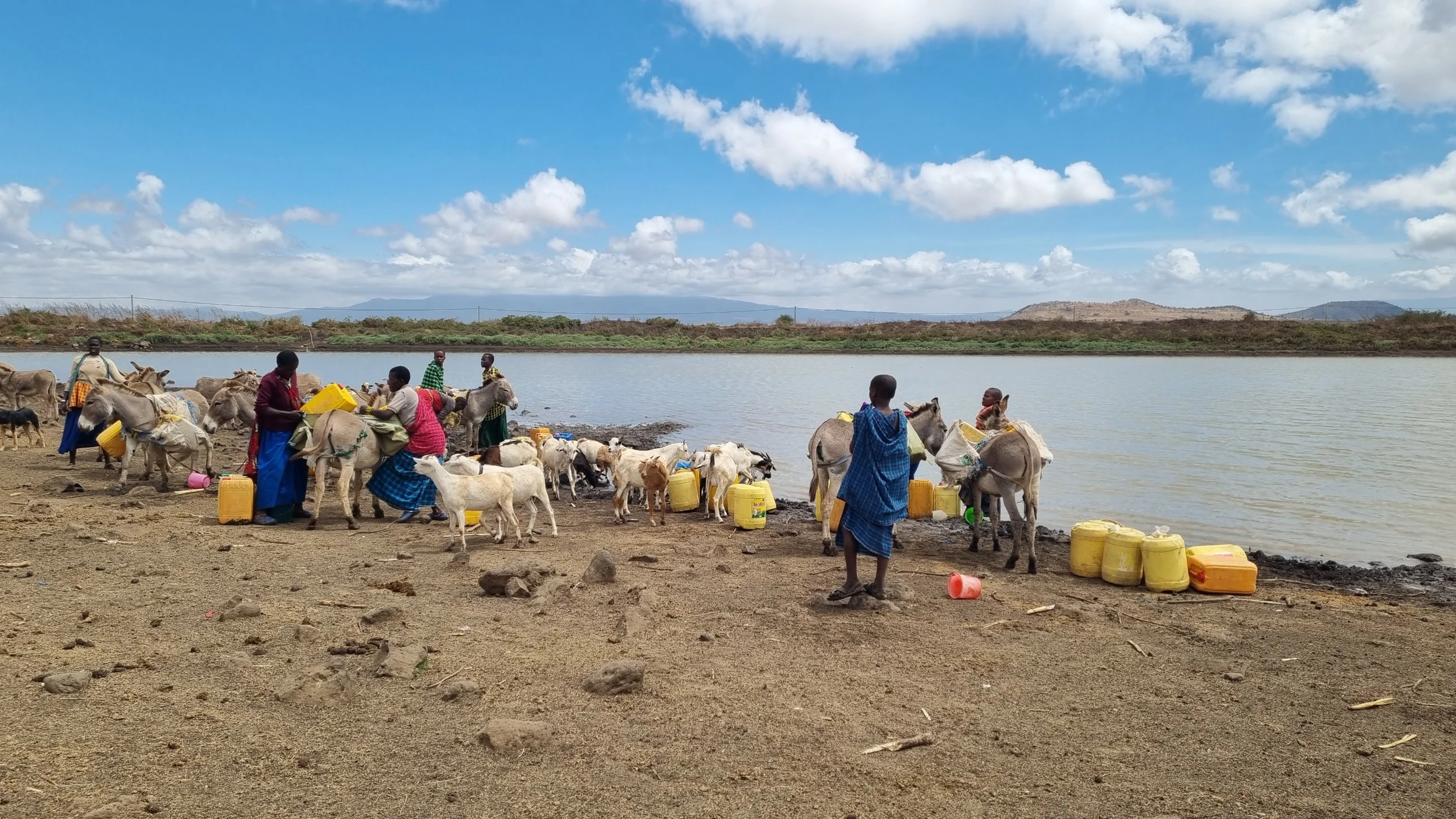
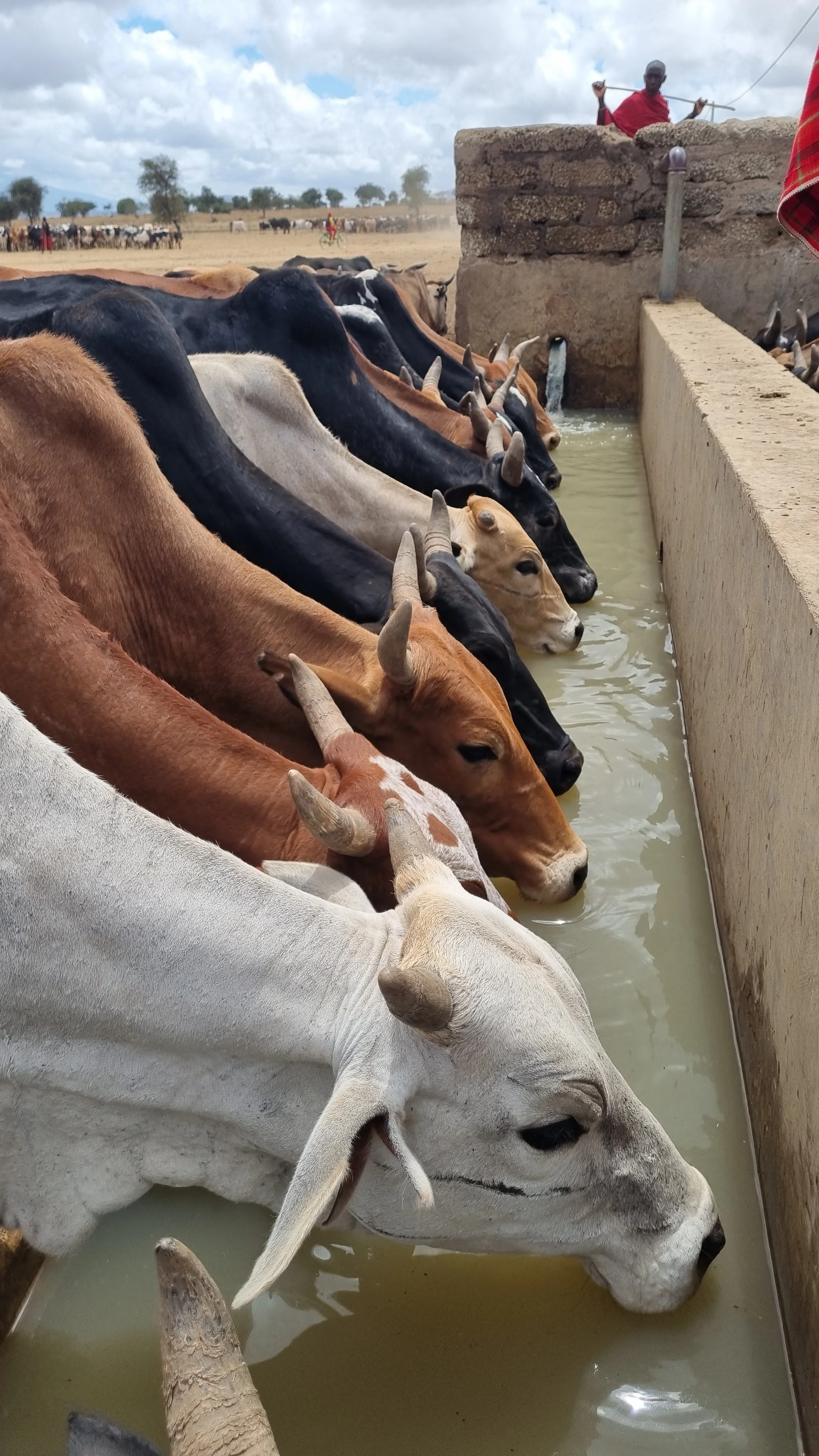
A water pan captures and stores rainwater runoff, either as a dug-out pond or as a reservoir behind a small dam. These may be deliberately or incidentally constructed, or naturally formed. Holding water seasonally or permanently, they are used by individual pastoralists or communities as a water source for livestock, agriculture, and domestic purposes. Targeting both Tanzania and Kenya, this project ensures water pans are sustainably managed and monitored by local communities. This contributes to community development and well-being while addressing climate change by providing clean and safe water for all essential needs.
Key Activities
- Policy review and collaborative policy revisions
- This activity includes a situational analysis and review of water pan use and management in Sub-Saharan Africa. We conduct an in-depth analysis of existing policy frameworks and guidelines in Kenya and Tanzania to identify gaps, overlaps, and areas for improved coherence. The goal is to create a more robust legal environment that supports sustainable water pan governance.
- Natural processes, water quality and public health
- Through research and advocacy, we enhance the understanding of the natural processes affecting water pans and their connection to public and environmental health. We are specifically exploring the feasibility of Nature-Based Solutions (NBS) to improve water quality and ensure long-term water pan sustainability.
- Social Dynamics, Inclusive Operation and Public Health
- Working at the interface of research and institutional strengthening, this activity focuses on Action Research for improved planning, design, and operation. We co-design decision-making and operational models that improve inclusiveness. This holistic perspective moves beyond simple engineering to understand the social infrastructure required for human, livestock, and agricultural water supply.
- Education and Communication.
- We develop educational materials and didactic tools to share knowledge across multiple levels, from local communities to international platforms. This includes creating blogs, stories, and manuals for integrated water pan management. Scientific knowledge is distilled into accessible formats, strengthening local institutions and raising awareness through workshops, mentorship, and experiential learning. A major output of the project will be developing guidelines and manuals for integrated management of waterpans.
Funded by
Dutch Ministry of Foreign Affairs
Lead organization
IHE Delft
Partners
Oikos East Africa, MWEA, University of Eldoret, RUWASA, MANAGE4S, ILRI
Time frame
01/01/2023-31/12/2027
More programmes
Empowering communities through sustainable conservation
We believe the health and wellness of future generations will be secured with today’s people-centered approach to environmental conservation.
.jpg)