Conservation
Closed

Rangeland Guardians: women-led initiatives for rangelands restoration
Abstract
Rangeland degradation in northern Tanzania, driven by climate change and socio-economic pressures, is reducing wildlife populations and threatening food security for pastoralist communities. Women are disproportionately affected by these challenges due to limited access to resources and decision-making opportunities, yet they hold strong knowledge and potential to drive sustainable change.
This project addresses these issues by piloting an innovative, community-driven rangeland restoration model that places women at the centre. Sixty women are trained and empowered to lead restoration activities, including removal of invasive species and promotion of natural vegetation recovery. The initiative also strengthens local capacity in ecological monitoring and delivers environmental education to schools, fostering awareness among younger generations.
By integrating restoration, empowerment, and education, the project enhances ecosystem health while improving livelihoods. It restores grazing opportunities for over 10,000 people and their families, contributing to both biodiversity conservation and climate resilience in the Tarangire–Manyara ecosystem.
Introduction
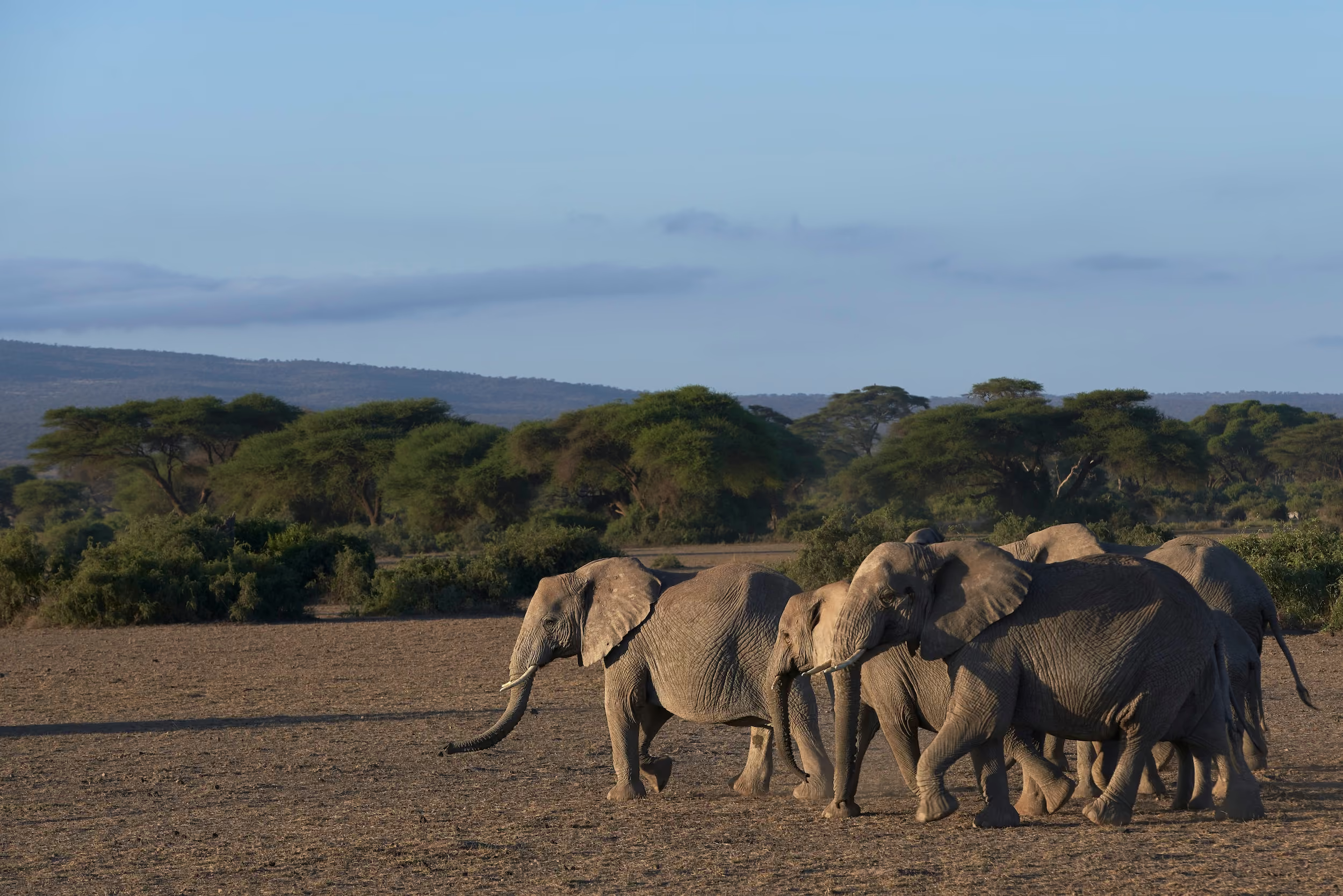
This project is implemented in the Tarangire–Manyara ecosystem in northern Tanzania, a key wildlife corridor facing increasing rangeland degradation. It aims to restore degraded grazing lands while empowering women as leaders in sustainable land management. Through training, community engagement, and ecological monitoring, the project promotes conservation and resilience among pastoralist communities. By combining environmental restoration with social inclusion, it supports both biodiversity and livelihoods.
Key Activities
1. Women-Led Rangeland Restoration
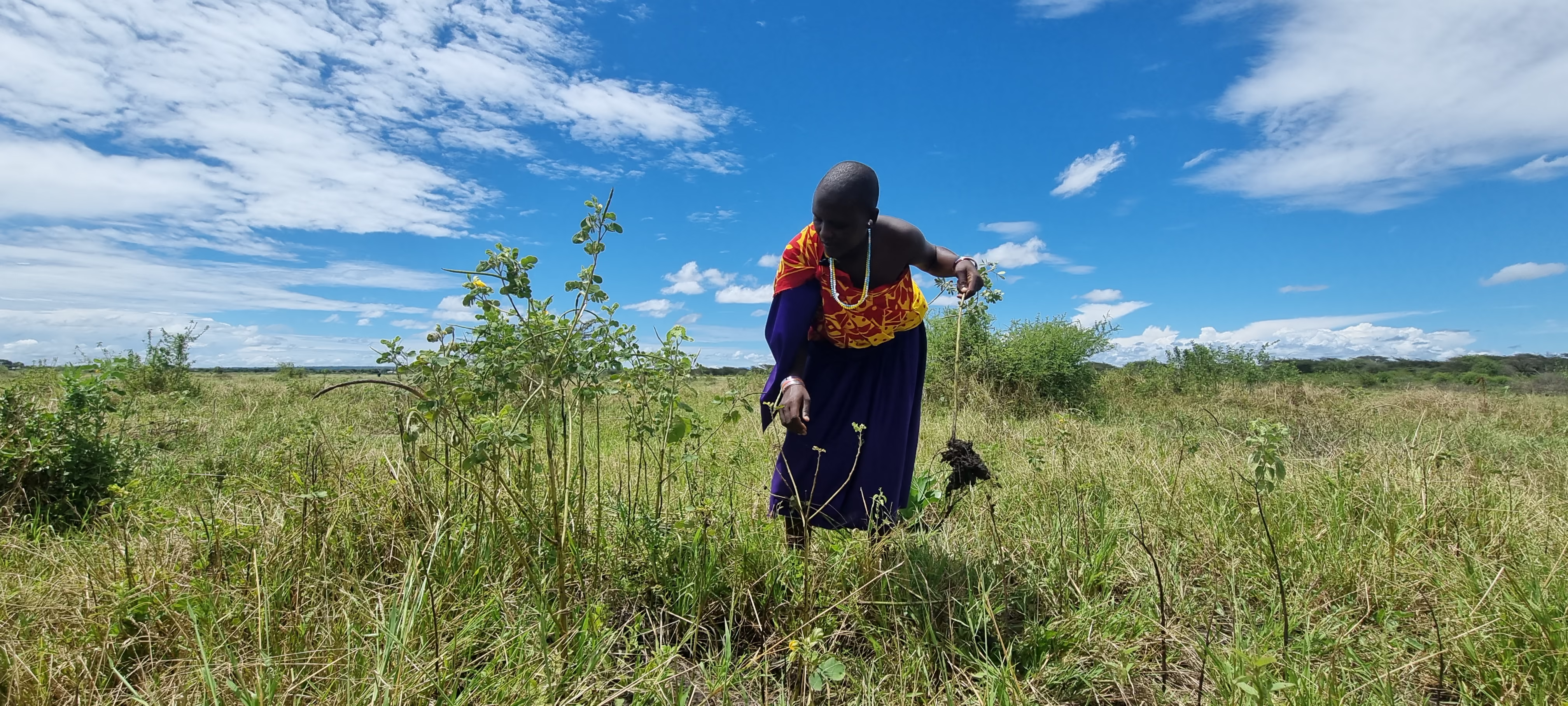
The project trains 60 women as leaders in rangeland restoration, recognizing them as key agents of change. These women actively remove invasive plant species and support the recovery of native vegetation in degraded areas. Their work improves pasture availability and restores ecosystem balance in harsh environmental conditions. The initiative also strengthens women’s participation in natural resource management and decision-making processes.
2. Community-Based Rangeland Monitoring
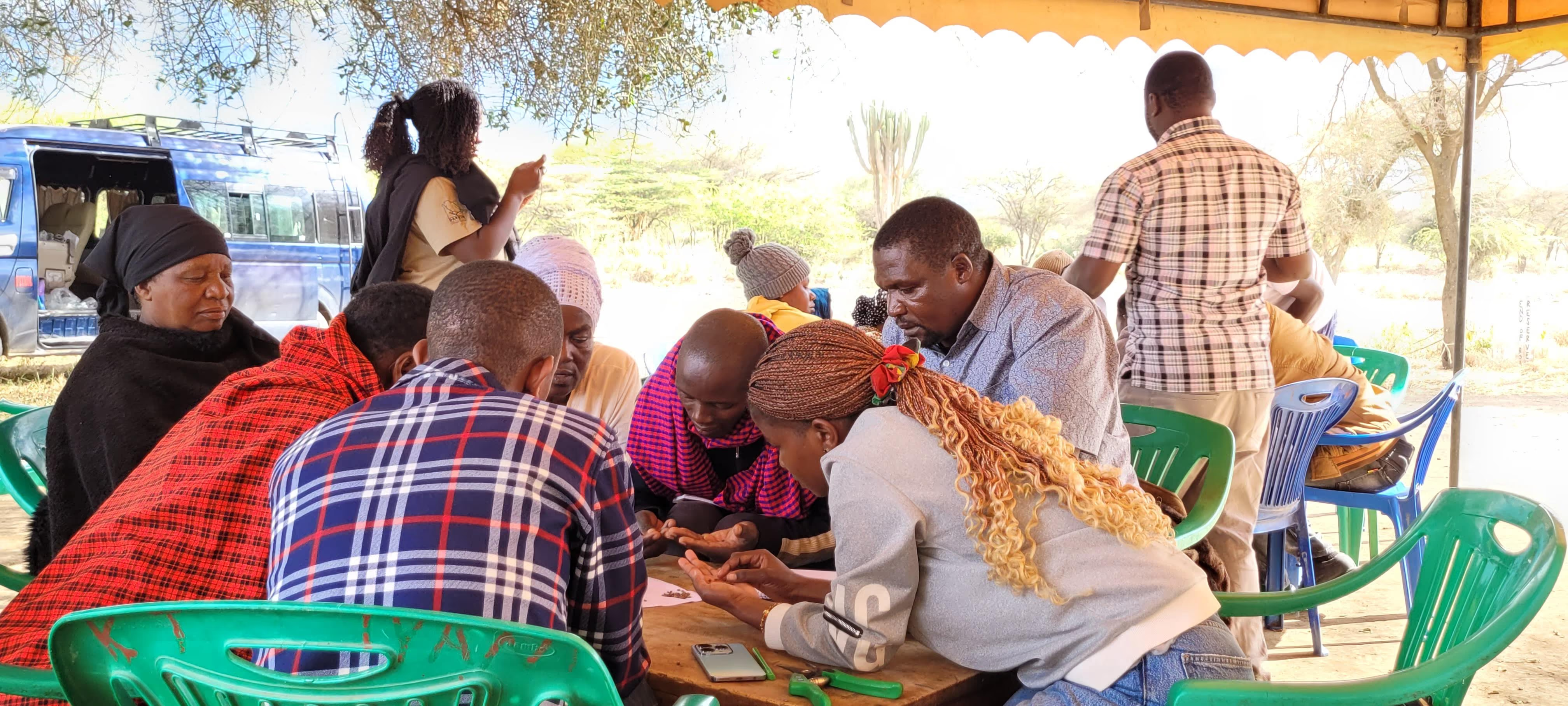
To ensure sustainable management, 14 community members are trained in ecological monitoring techniques. They assess rangeland health using practical and accessible methods, collecting data on vegetation condition and ecosystem changes. This information supports adaptive management and helps communities make informed decisions to maintain long-term rangeland productivity.
3. Environmental Education and Awareness
The project engages more than 2,000 pupils through a structured 10-lesson course on rangeland health, threats, and solutions. Activities include interactive discussions, storytelling, and podcasts narrated by pastoralist children sharing their lived experiences. This approach fosters environmental awareness, builds knowledge, and encourages future generations to actively participate in conservation efforts.
.avif)
Funded by
Darwin Initiative
Lead organization
University of York
Partners
Instituto Oikos (IO), Oikos East Africa (OEA), and Ujamaa Community Resource Team (UCRT)
Time frame
2019-2022
More programmes
Empowering communities through sustainable conservation
We believe the health and wellness of future generations will be secured with today’s people-centered approach to environmental conservation.
.jpg)