Conservation
Closed

CONNEKT – Connecting Neighbouring Ecosystems in Kenya and Tanzania
Abstract
The Greater Kilimanjaro–Amboseli ecosystem, spanning 15,500 km² across Tanzania and Kenya, is one of the most biodiverse landscapes globally. It hosts over one million livestock and wild mammals from 28 species, alongside more than 100,000 pastoralists. However, increasing pressure from population growth, overgrazing, habitat fragmentation, and climate change has led to a 30% reduction in productive rangelands, threatening both biodiversity and livelihoods.
This project addresses these challenges by strengthening transboundary collaboration between communities, governments, and conservation organizations. It promotes sustainable rangeland management, protects wildlife corridors, and enhances law enforcement to reduce poaching and human–wildlife conflict. The initiative also integrates economic empowerment through eco-tourism and livestock-based enterprises, alongside education and awareness campaigns targeting communities and youth.
By combining conservation, livelihood improvement, and cross-border cooperation, the project aims to ensure long-term ecosystem connectivity, biodiversity protection, and resilience of pastoralist communities.
Introduction
The Greater Kilimanjaro Initiative operates within the transboundary ecosystem connecting northern Tanzania and southern Kenya. This critical landscape includes multiple protected areas and vital wildlife corridors supporting both biodiversity and pastoralist livelihoods. The project aims to enhance community participation in conservation, strengthen ecosystem connectivity, and promote sustainable natural resource management. Through cross-border collaboration, capacity building, and economic empowerment, the initiative supports long-term conservation and improved livelihoods for communities dependent on rangelands.
Key Activities
1. Transboundary Conservation and Dialogue
The project promotes collaboration between Tanzania and Kenya by facilitating dialogue among communities, conservation organizations, and government institutions. This cooperation supports the protection of shared ecosystems and wildlife corridors. It encourages joint planning and exchange of best practices to ensure effective conservation across borders and strengthen relationships among stakeholders.
2. Wildlife Protection and Law Enforcement
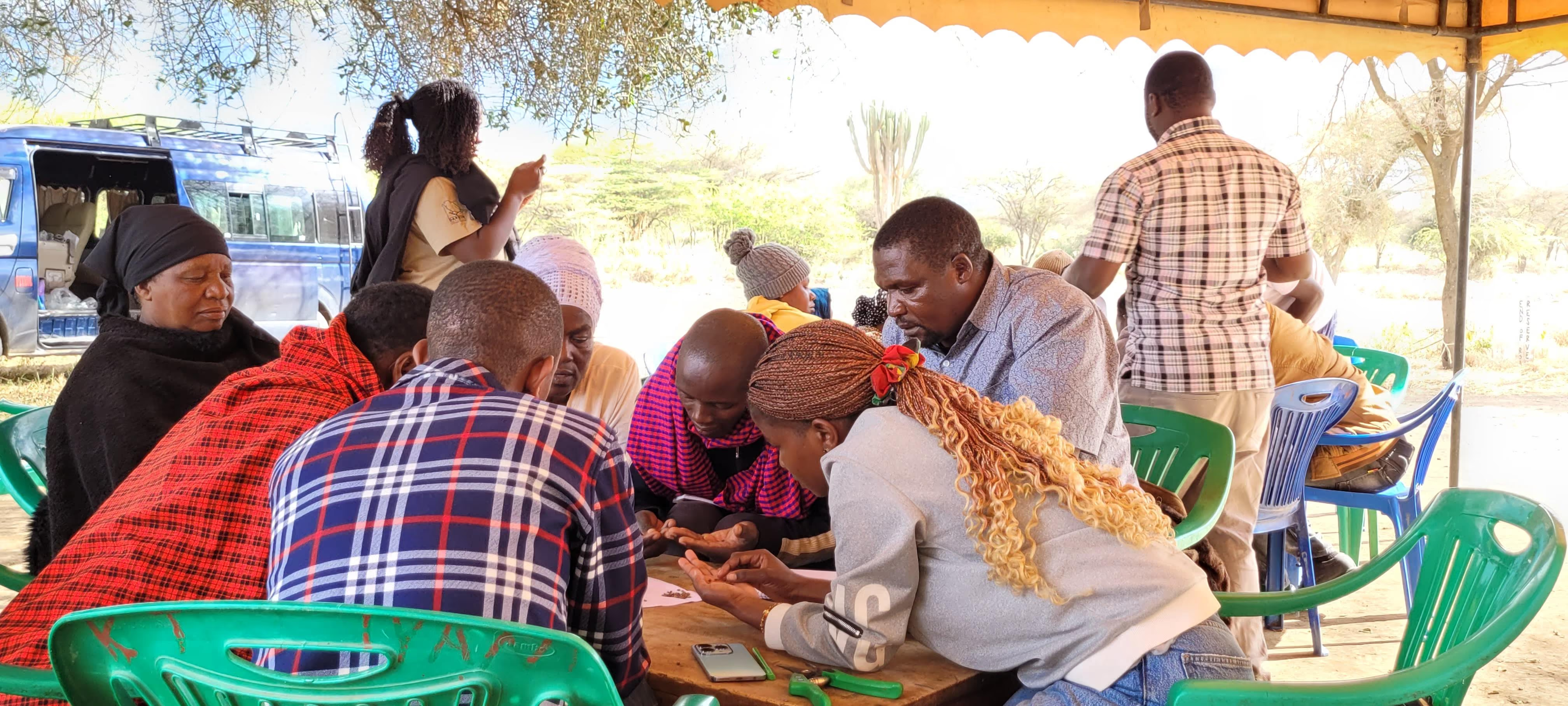
To enhance on-the-ground conservation, the project trains and equips more than 80 rangers and village game scouts. These personnel support wildlife protection, reduce illegal activities such as poaching, and enforce conservation laws. Additionally, at least 60 community members are trained to prevent wildlife from invading farms, helping to reduce human–wildlife conflict and improve coexistence.
3. Sustainable Rangeland Management
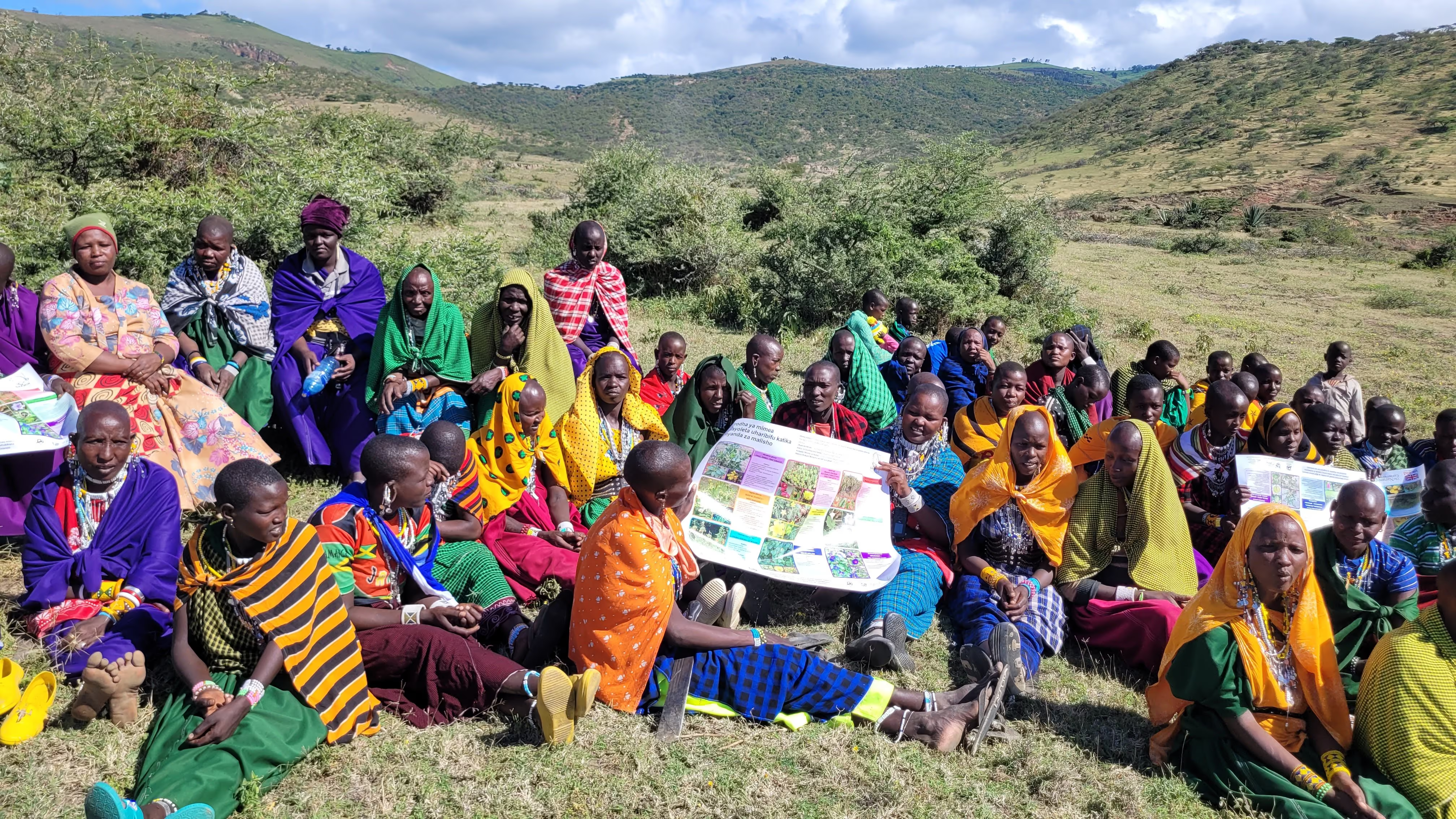
The initiative supports the development and implementation of land and conservation management plans. These plans guide sustainable use of rangelands and protect key wildlife migration areas. By improving grazing management and strengthening local leadership, the project helps restore rangeland productivity and ensures long-term benefits for both livestock and wildlife.
4. Economic Empowerment through Conservation
The project promotes income-generating activities linked to conservation. Forty community members are trained as eco-tourism leaders, offering services such as walking safaris, camping, and cycling tours. Additionally, 300 women receive training in marketplace literacy, 300 in milk production, and 40 in leather processing. These initiatives reduce poverty and strengthen community commitment to conservation.
5. Education and Awareness Against Wildlife Crime
The project implements awareness campaigns to reduce poaching and promote conservation. Activities include citizen science programs, interactive theatre, and educational videos targeting over 7,000 students. By engaging young people and communities, the project fosters environmental stewardship and supports long-term behaviour change.
Funded by
European Union (EU)
Lead organization
Oikos East Africa (OEA)
Partners
African Conservation Centre (ACC) and Instituto Oikos (IO)
Time frame
2018-2021
More programmes
Empowering communities through sustainable conservation
We believe the health and wellness of future generations will be secured with today’s people-centered approach to environmental conservation.
.jpg)