Conservation
Closed

Partnering for a biodiverse, prosperous and resilient Tarangire Ecosystem landscape
Abstract
Rangelands in northern Tanzania are increasingly degraded due to overgrazing, climate change, invasive species, and unsustainable land use practices. This degradation reduces pasture availability, threatens livestock productivity, and undermines biodiversity, including critical wildlife habitats in the Tarangire–Manyara ecosystem. It also disproportionately affects pastoralist communities whose livelihoods depend on healthy grazing lands.
This project addresses these challenges by empowering women as Rangeland Guardians to actively lead restoration efforts. Through training and capacity building, women are equipped with skills to rehabilitate degraded land by removing invasive species, reseeding native grasses, and promoting sustainable grazing practices. The project also strengthens community governance, supports environmental education, and enhances livelihood opportunities through improved ecosystem services.
By combining ecological restoration with social empowerment, the project contributes to long-term resilience of both ecosystems and communities. It promotes sustainable land management while increasing women’s participation in decision-making and natural resource management, ensuring inclusive and lasting conservation outcomes.
Introduction
This project is implemented in northern Tanzania within the Tarangire–Manyara ecosystem, targeting pastoralist communities affected by rangeland degradation. Its main aim is to restore degraded grazing lands while improving livelihoods through community-based approaches. By empowering women as Rangeland Guardians, the project promotes sustainable land management practices, biodiversity conservation, and climate resilience. It integrates restoration activities with capacity building, environmental education, and local governance strengthening to ensure long-term sustainability and community ownership.
Key Activities
1. Women-Led Habitat Restoration
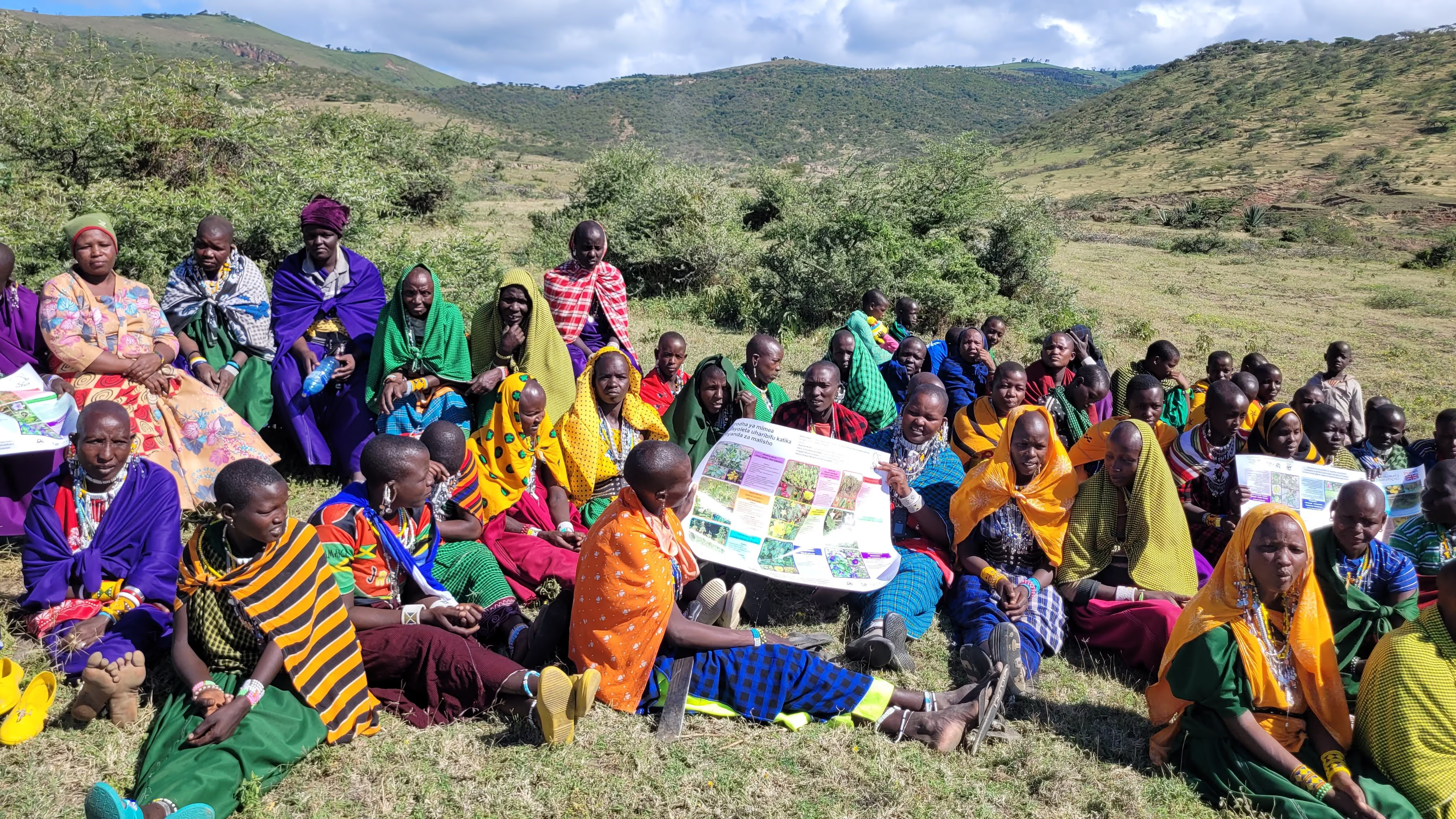
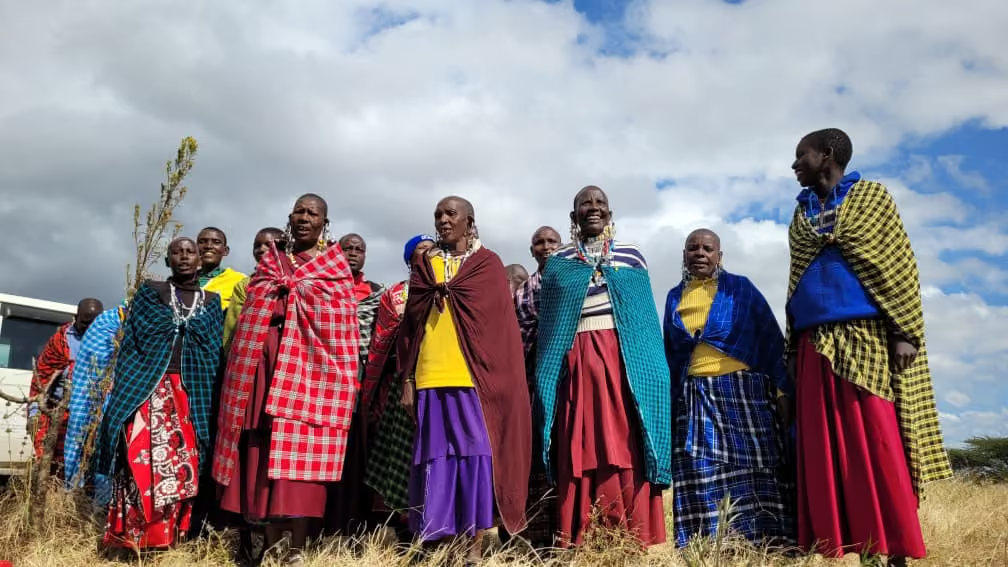
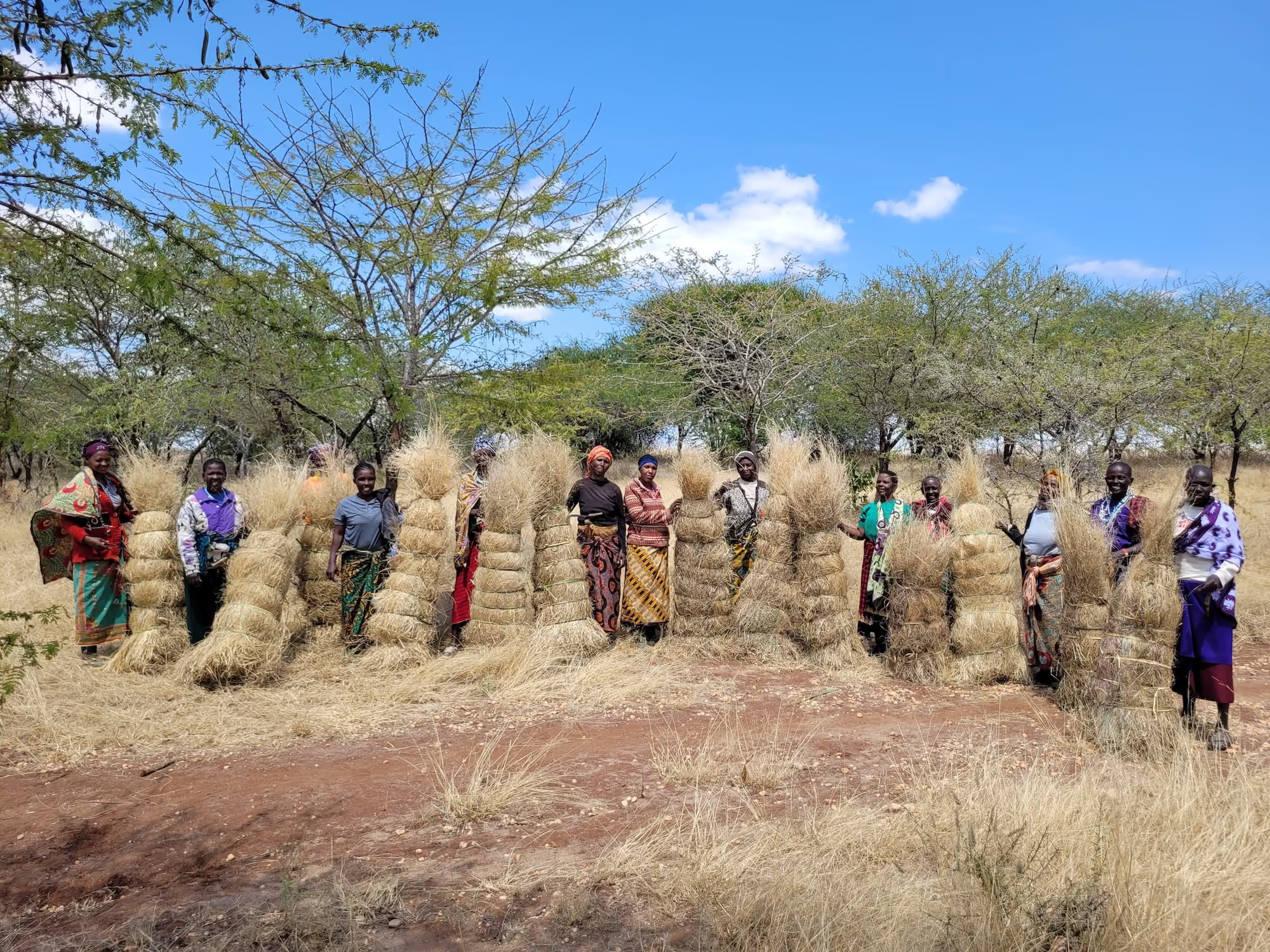
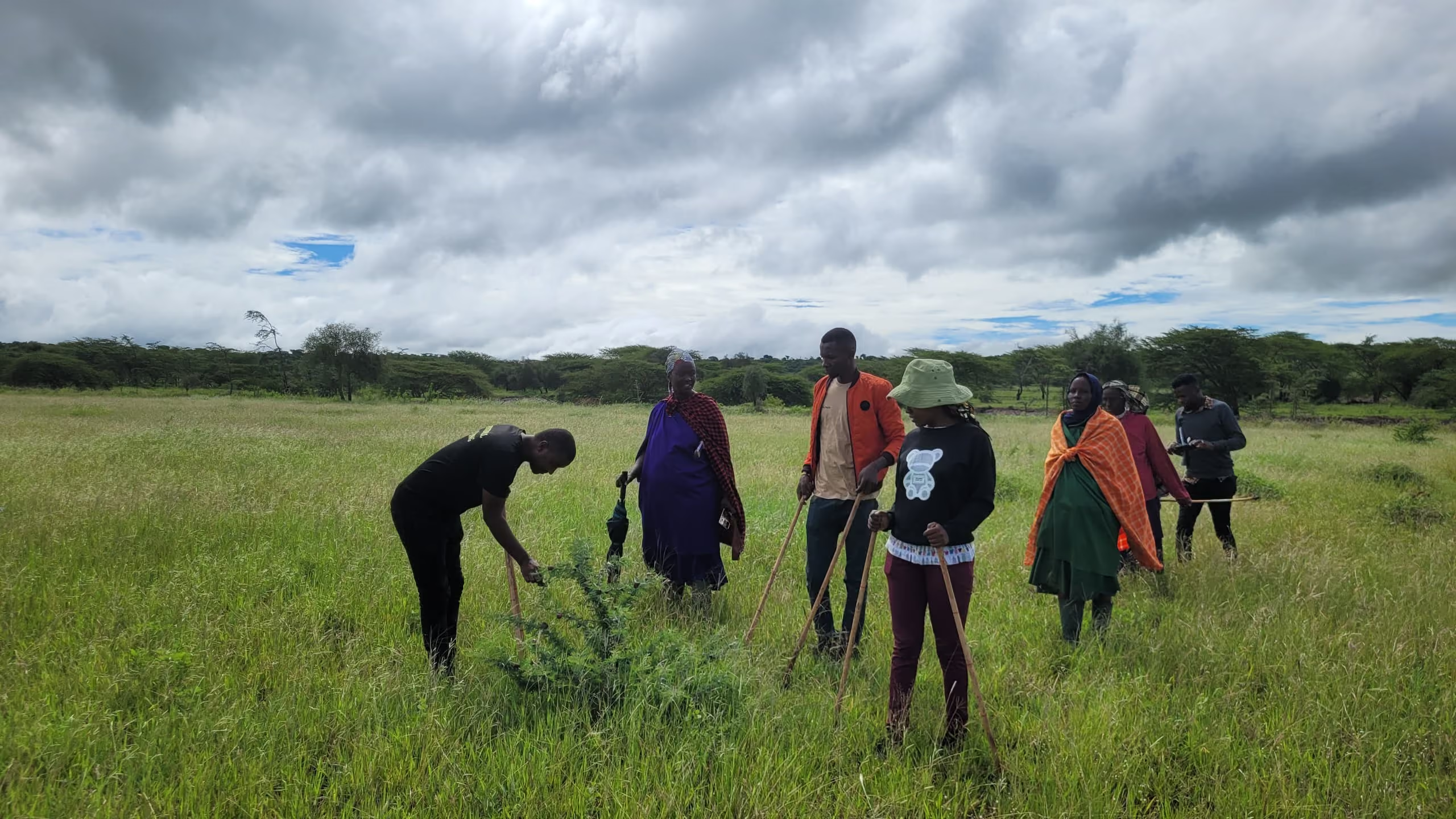
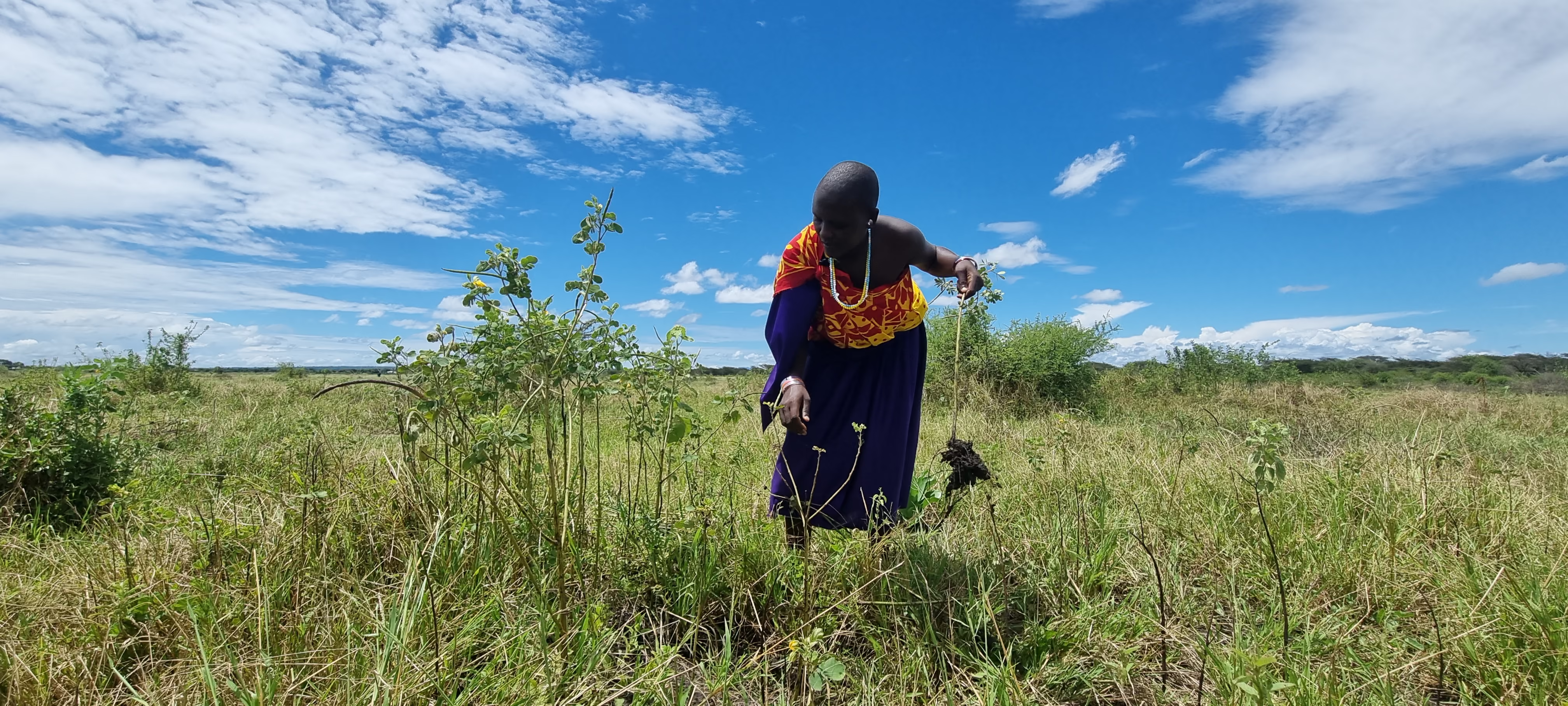
The project empowers 400 women from 14 villages, particularly from Maasai communities, to become rangeland guardians. These women are trained in rangeland restoration techniques, building on their existing environmental knowledge. They lead restoration efforts such as removing invasive plant species and reseeding indigenous grasses to rehabilitate degraded and unusable rangelands. The initiative also promotes women’s participation in decision-making and advocates for direct benefits from restored areas, including access to pasture for small livestock and income generation through grass sales.
2. Community-Led Monitoring
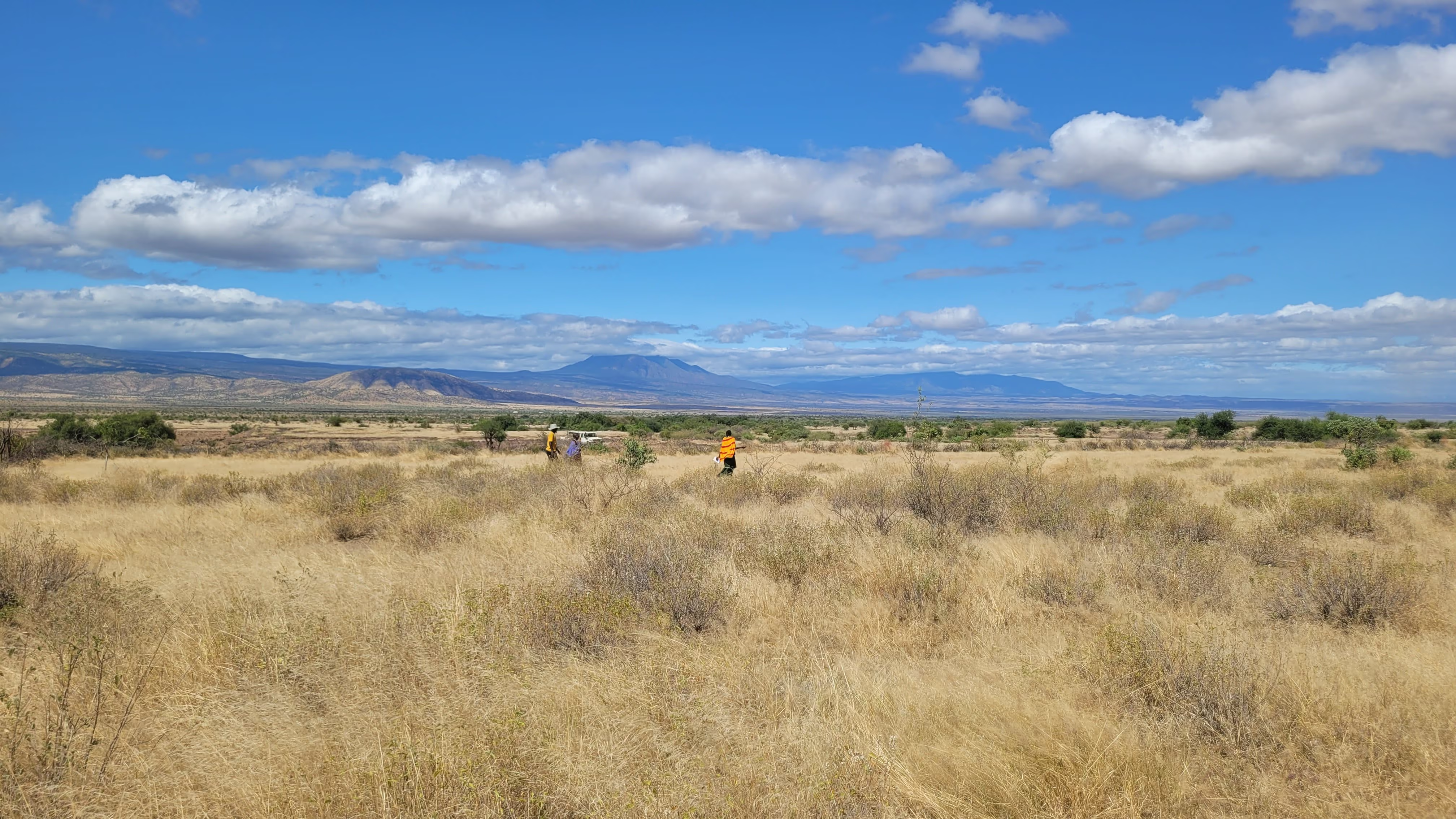
The project strengthens local capacity in ecological monitoring by training 80 men and women as resource assessors. These individuals collect and analyze data on rangeland health, including vegetation cover and land condition. The information gathered supports grazing committees and local authorities in developing and adapting sustainable grazing plans. This participatory approach ensures that rangeland management decisions are informed by real-time, community-based data, promoting long-term sustainability and resilience of grazing systems.
3. Education and Knowledge Sharing
The project delivers training and awareness programs to pastoralist communities whose livelihoods depend on rangelands. It includes environmental education campaigns targeting schools and communities to raise awareness about the importance of rangeland restoration. Additionally, the project facilitates exchange visits between villages, local governments, and district representatives to share best practices and successful experiences in sustainable land management. This promotes learning, collaboration, and scaling up of effective restoration approaches.
4. Marketplace Literacy Training
To strengthen women’s economic empowerment, 400 Rangeland Guardians receive training in livestock marketplace literacy. This training links rangeland health to livestock productivity and market value. It equips women with knowledge on customer responsibility, value creation, pricing, and managing buying and selling processes. By improving understanding of livestock markets, the project promotes sustainable livestock enterprises and enhances women’s capacity to benefit economically from improved rangeland conditions.
.jpg)



.avif)
Funded by
Darwin Initiative (UK Government)
Lead organization
Oikos East Africa (OEA)
Partners
The Nature Conservancy (Lead), Ujamaa Community Resource Team, Tanzania People & Wildlife, and Istituto Oikos
Time frame
April 2022 – December 2025
More programmes
Empowering communities through sustainable conservation
We believe the health and wellness of future generations will be secured with today’s people-centered approach to environmental conservation.
.jpg)