WASH
Closed

KISIMA Project
Abstract
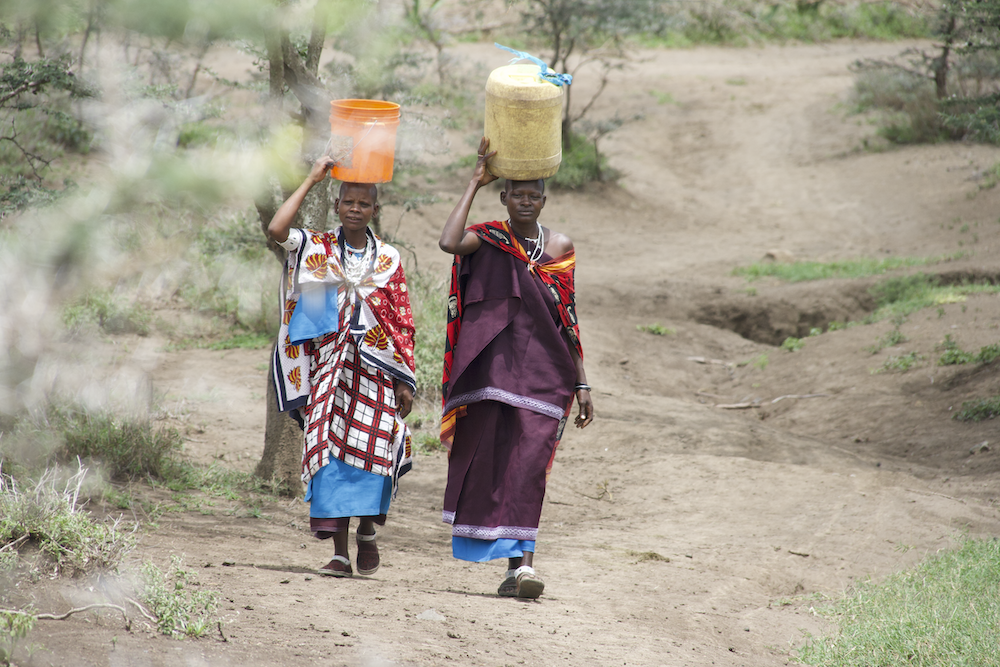
Our mission in the Manyara Region successfully addressed the urgent need for sustainable water management in the face of a changing climate. By strategically installing local distribution points, we eliminated the long hours previously spent on water collection. This shift was described by local women as "life-changing," as it returned time to the household and improved the safety and quality of daily life.
To support the next generation, we equipped primary schools with gender-segregated latrines and handwashing stations, ensuring a consistent water supply and soap availability during school hours. Beyond infrastructure, we ensured the project's longevity by establishing and consolidating Community Water Supply Organizations (COWSOs). These local bodies now independently manage their resources, ensuring that the progress we made continues to serve the Manyara Region for years to come.
Introduction
The Manyara region, in northern Tanzania, is one of the poorest regions in the country and in some districts, water is still not a good for everyone. Above all, the most vulnerable sections of the population, such as women, children and disabled people, cannot count on this essential resource. KISIMA wants to ensure fair and economically sustainable access to water systems and sanitation in the districts of Kiteto and Simanjiro.
‘Kisima’ in Swahili means ‘source’ and contains the names of the territories where our work is focused: Kiteto and Simanjiro, in the Manyara Region. Here the services related to water supply are limited, because the institutional support is weak, the management committees (CBWSO) have rather scarce capacities and the operating and maintenance costs are high.
With the Maisha Bora programme, we have been working for the last four years in the Manyara Region to improve the water supply. However, in the districts of Kiteto and Simanjiro access to water is still a critical issue, also due to the salinization of water, which makes the supply of fresh water even more difficult.
To ensure fair and sustainable access to water for all, we are strengthening the existing water system through the restoration of malfunctioning systems and the replacement of diesel pumps with solar energy solutions, a greener and cheaper alternative. In parallel, we offer training and support to technicians and civil servants so that they can provide more effective water and sanitation services. A desalination plant, designed by our partner ‘Idrodepurazione’’, will be installed in the Kabaya hospital, while a water analysis laboratory will be set up in Orkusumet.
With a view to future sustainability, we are working to make the population independent in the management of the water network. We do this by strengthening the 46 existing CBWSOs – local community organizations for water and sanitation management – and supporting the creation of 40 other CBWSOs from scratch, also promoting women’s participation in decision-making processes. Indeed, adequate training allows you to create specialized figures in the maintenance and management of the water system, with a positive impact on the local economy.
Particular attention is paid to the hygienic-sanitary conditions of the youngest: in the school of the two Districts we will build 59 latrines accessible to the disabled. In addition to the infrastructural interventions, we are, as always, supporting awareness-raising activities on correct hygienic practices. With the objective to reduce the spread of disease and ensure greater school attendance, especially for girls.
Key Activities
- Strengthening the capacity of regional and district authorities to provide skilled support for the sustainable management of rural water schemes
- Construction of new water schemes using solar pumps and rehabilitation of existing rural water schemes
- Improving the operational efficiency of Community-Based Water Supply Organizations (CBWSOs) through targeted training and the establishment of CBWSO clusters in Kiteto and Simanjiro District under local private operators
- Sanitation improvements in schools and public spaces
Funded by
Italian Agency for Development and Cooperation (AICS)
Lead organization
Istituto Oikos
Partners
Oikos East Africa, RUWASA, UCRT, MAMADO, University of Bicocca, Idrodepurazione Srl
Time frame
2019-2023
More programmes
Empowering communities through sustainable conservation
We believe the health and wellness of future generations will be secured with today’s people-centered approach to environmental conservation.
.jpg)