
WASH
Ongoing

RESTORE Renewable Energies and rangeland restoration for resilience in rural Tanzania.
Abstract
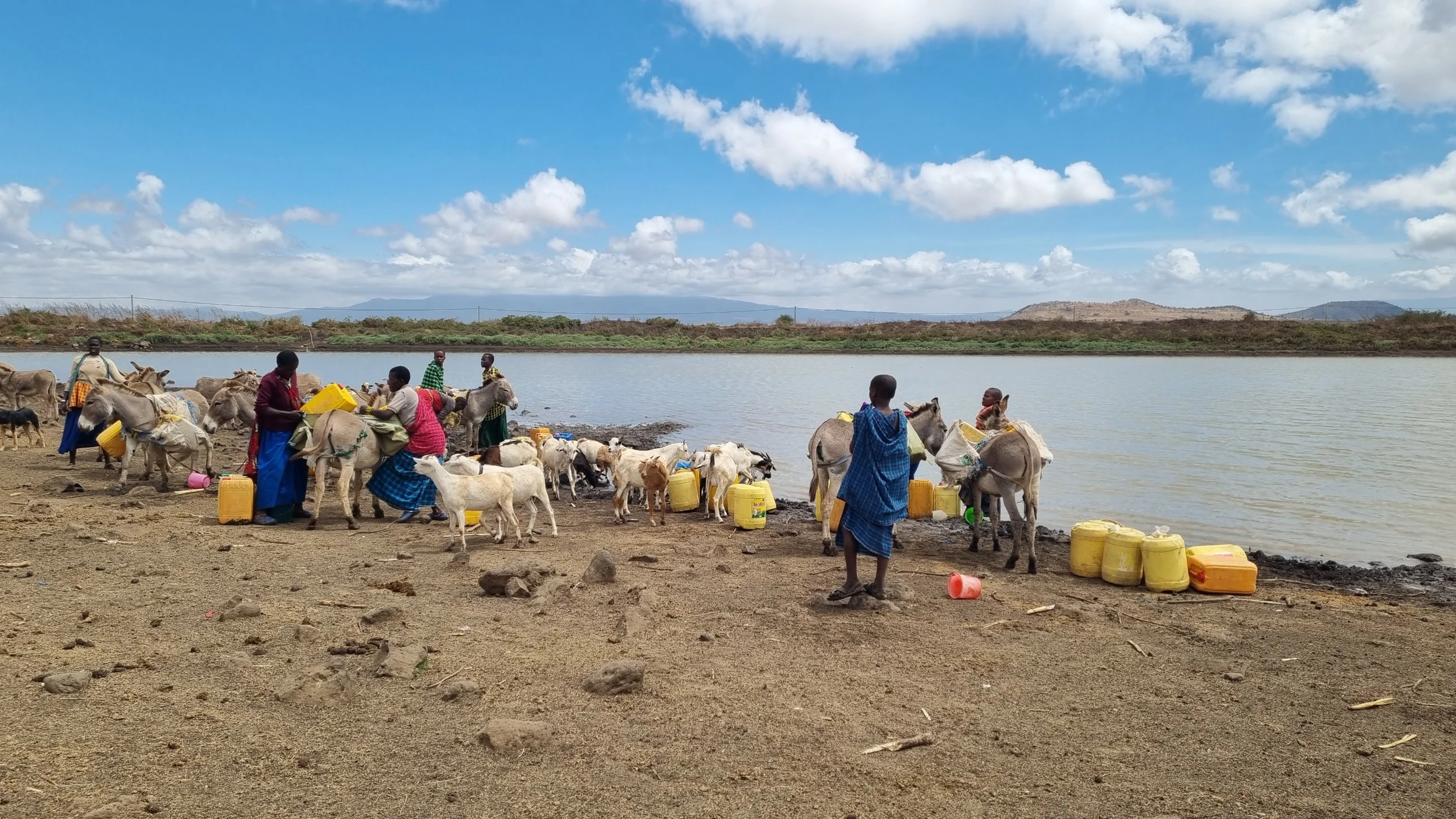
In northern Tanzania, pastoral communities in Longido District (within the ecological corridor between the Amboseli/Kilimanjaro ecosystems and Lake Natron) are facing accelerating climate stress. Irregular rainfall patterns, invasive species expansion, vegetation loss and overgrazing are significantly reducing rangeland productivity, undermining food security and increasing vulnerability among communities whose livelihoods depend primarily on pastoralism.
Rangelands are progressively degrading due to limited restoration practices, weak local governance mechanisms and inadequate environmental planning. At the same time, scarce access to reliable water and sustainable energy services, further intensifies environmental pressure and socio-economic fragility. Institutional capacity gaps and persistent gender inequalities also constrain the ability of communities to adapt to climate variability and manage natural resources sustainably.
Without a coordinated strategy that addresses ecosystem health, governance systems and access to sustainable services, environmental degradation and climate-related risks are likely to intensify across this fragile pastoral landscape.
Introduction
The RESTORE project (Renewable Energy and Rangeland Restoration for Resilience in rural Tanzania) is implemented across 14 villages in the Arusha Region, within Longido District. It operates at local and national levels, addressing environmental degradation and climate vulnerability through community-based rangeland restoration and the solarization of rural water schemes. Locally, it strengthens pasture governance, supports women-led restoration groups and expands renewable energy for water services. Nationally, in partnership with RUWASA, it reinforces technical capacities, promotes digital monitoring of community water systems and advances climate finance mechanisms. This multi-level approach supports coordinated climate adaptation and mitigation in pastoral Tanzania.
Key Activities
- Community-Led Rangeland Restoration
RESTORE promotes the rehabilitation of degraded rangelands across 14 villages through community-based environmental restoration. The project trains and equips 420 Maasai women as “Rangeland Guardians” to remove invasive species, protect eroded areas, and 70 women and youth as “Resource Assessors” to monitor ecosystem health using digital tools. Technical environmental restoration units are established at village level to integrate restoration practices into grazing management plans and by-laws. These actions improve pasture productivity, enhance biodiversity conservation and strengthen local governance of natural resources.
- Women’s Economic Empowerment and Climate Literacy
To increase long-term resilience, RESTORE supports women-led nature-based enterprises linked to sustainable pasture management. Through Marketplace Literacy and Livestock Marketplace Literacy training, women and pastoral households strengthen their understanding of market dynamics, livestock value chains and climate-related risks. This approach connects environmental health, herd management and income generation, reducing vulnerability to climate shocks and decreasing reliance on environmentally harmful coping strategies.
- Renewable Energy for Water Services
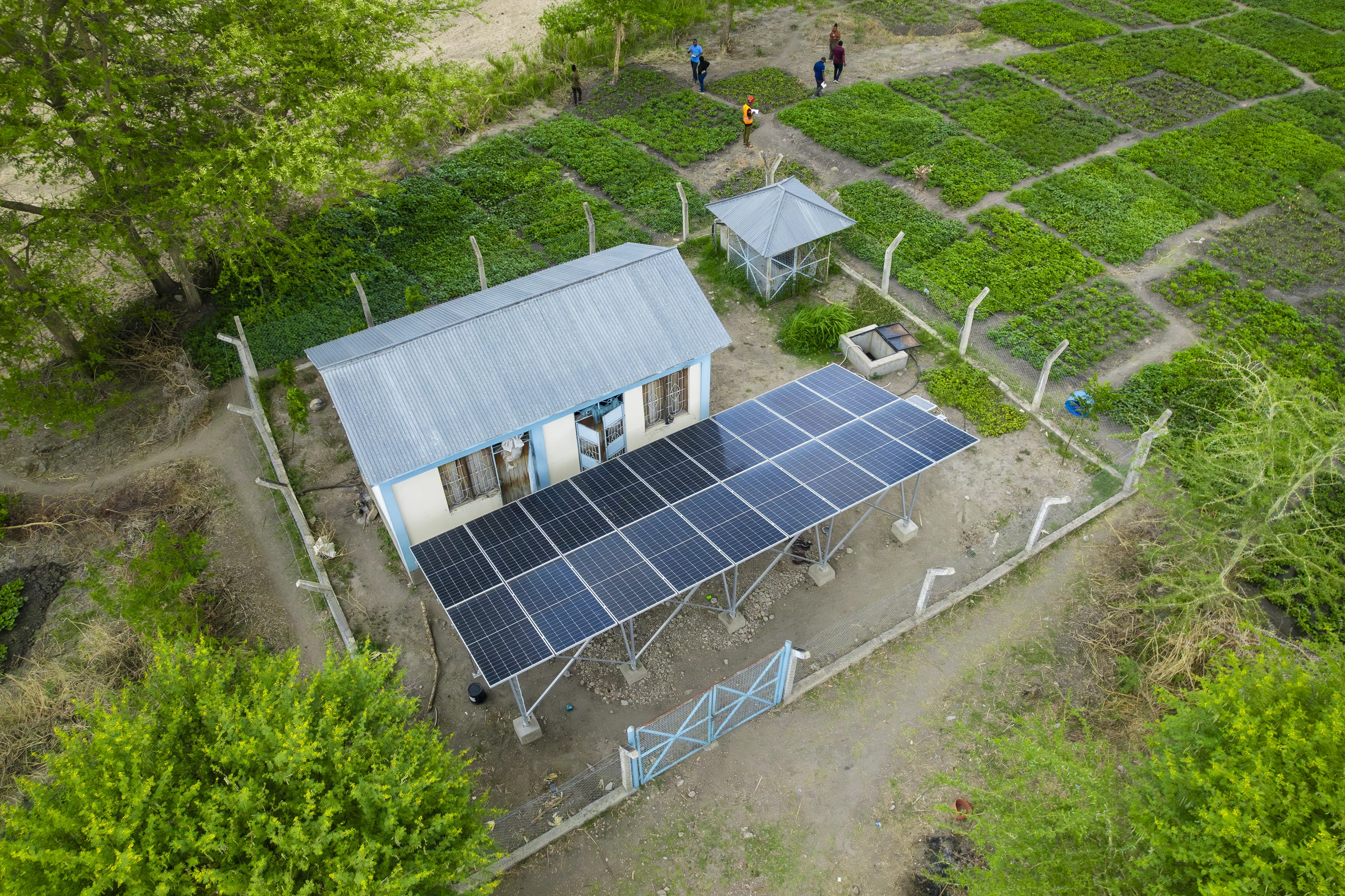
The project solarizes five rural water schemes by replacing diesel-powered pumps with multifunctional photovoltaic systems managed by Community-Based Water Supply Organizations (CBWSOs). These systems improve reliable access to safe water for over 8,000 people while reducing operational costs and greenhouse gas emissions. Solar energy also supports small productive uses, increasing local economic opportunities. Local technicians and water committees are trained to ensure long-term technical and financial sustainability of the systems.
- Clean Cooking and Carbon Mechanisms
To accelerate the transition to clean cooking solutions by introducing high-efficiency stoves that reduce firewood consumption, indoor air pollution and pressure on local forests.
The intervention is integrated into a certified carbon credit process, ensuring measurable greenhouse gas reductions and generating revenue to sustain and expand access. Through a strategic partnership with Offgridsun, the activity has scaled beyond the initial target, with the aim of reaching 20,000 stoves distributed, substantially increasing environmental impact and economic benefits for rural households.
- Institutional Strengthening and Climate Governance
At national level, RESTORE partners with RUWASA to strengthen institutional capacity for climate mitigation and adaptation. The project supports accreditation processes to the Green Climate Fund, the creation of a specialized technical unit for water projects financed through carbon credits, and the development of a digital monitoring system for rural water services. These actions enhance coordination, transparency and long-term investment in sustainable water and energy infrastructure.

Funded by
AICS - italian agency for cooperation and development
Lead organization
Istituto Oikos
Partners
Oikos East Africa, Rural Water Supply and Sanitation Agency (RUWASA), Orkonerei Maasai Social Initiatives (OMASI), Offgridsun Srl, Carbon Sink Group Srl
Time frame
August 2025 - July 2028
More programmes
Empowering communities through sustainable conservation
We believe the health and wellness of future generations will be secured with today’s people-centered approach to environmental conservation.
.jpg)