Namakarani Restoration: From Zero to Green – A Story of Hope, Leadership, and Livelihood
In the remote and underserved village of Namakarani, a determined group of 17 Maasai women and one visionary man embarked on a mission to restore their degraded rangeland and improve their livelihoods.
.png)
In the remote and underserved village of Namakarani, located in Monduli district in Northern part of Tanzania, where even the most basic resources, such as water and medical care, are hard to access, a determined group of 17 Maasai women and one visionary man embarked on a mission to restore their degraded rangeland and improve their livelihoods.
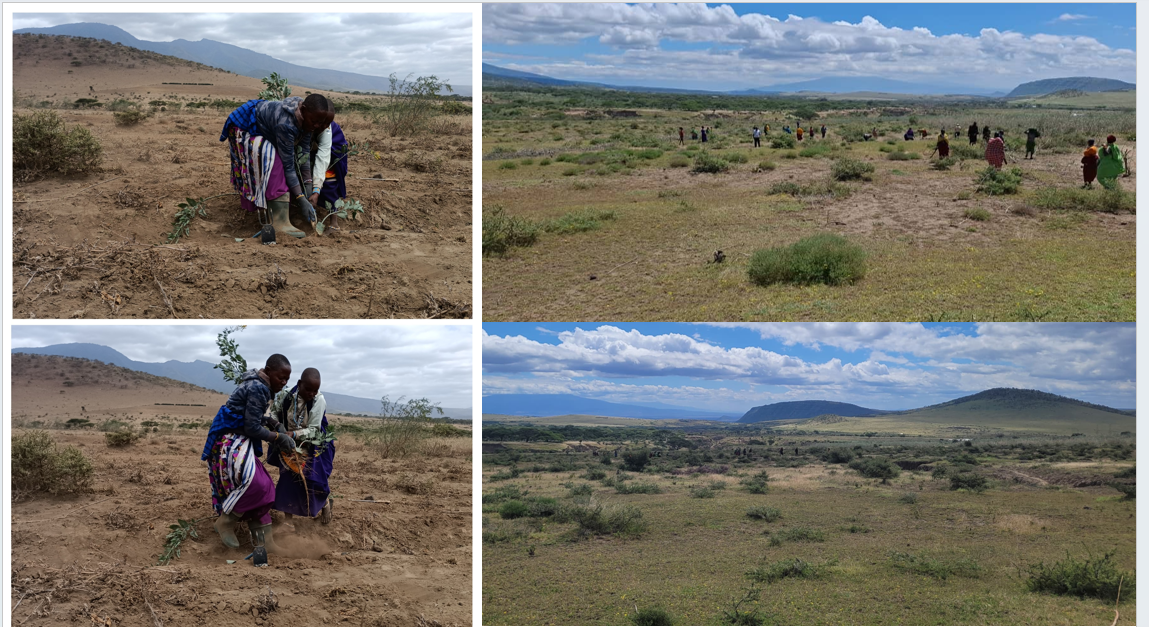
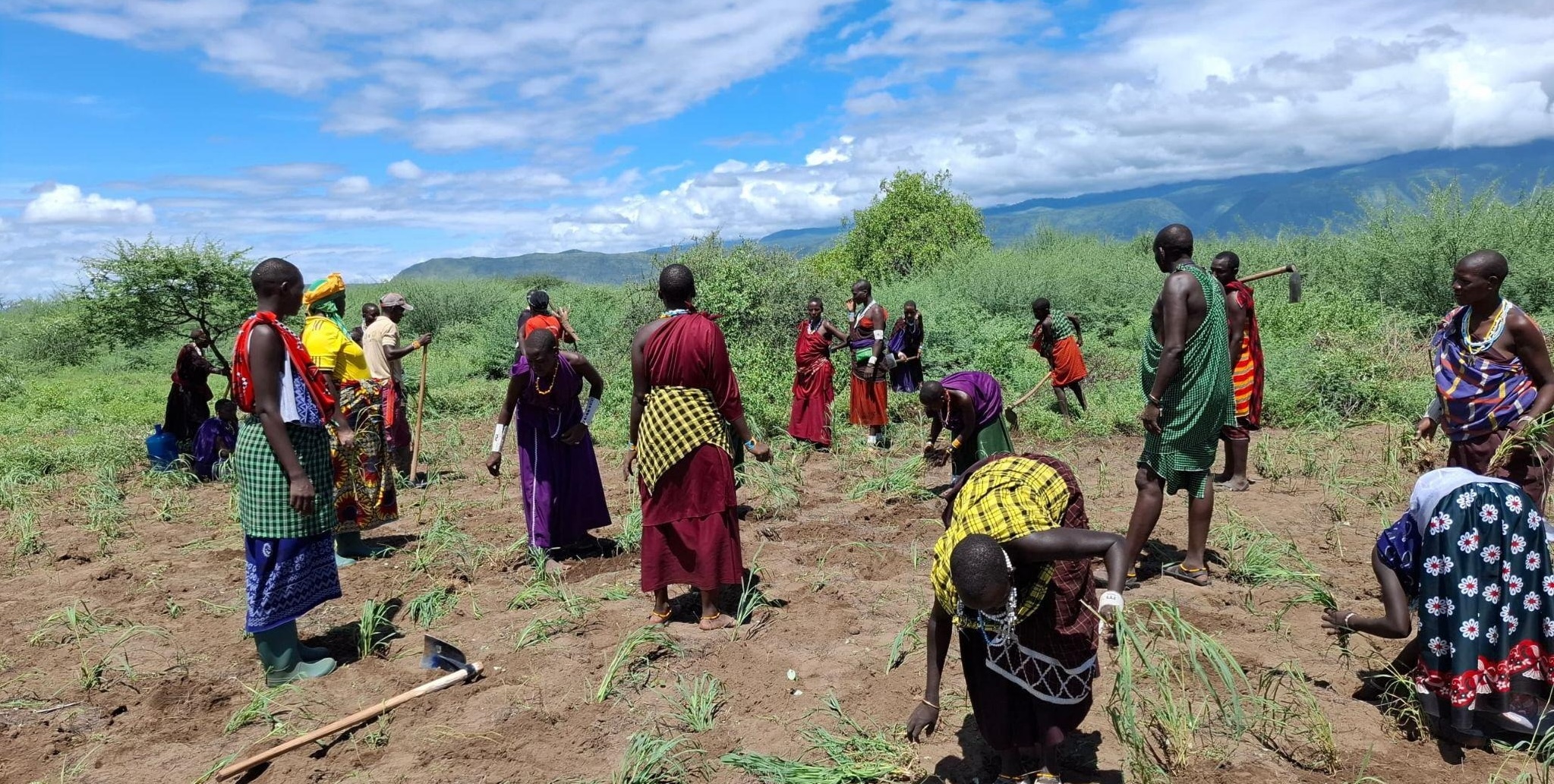
With a shared passion for regreening their land and uplifting their lives, the group received training in rangeland restoration. The women focused on removing the invasive and deeply rooted tobacco tree, while tackling serious land challenges like soil erosion and water gullies with the constant support from Kinyira, a resource assessor
Despite a year of hard work in 2023, the infestation persisted. Some women began to lose hope. But not Kinyira. Refusing to give up, he continued the restoration work with the few women who still believed in restoration actions. Together, they added additional restoration techniques to control erosion, build water bunds, and systematically clear the invasive plants.
A turning point came when the group was offered the Marketplace Literacy training. This reignited unity among the women. Kinyira seized the opportunity to push the idea of a savings fund to help members start small businesses. Alongside the women’s leader, they agreed that only those actively involved in restoration could participate in the saving group. The group established an unofficial saving group before benefiting any training from Oikos
From that point, change accelerated.
Kinyira divided the restoration plot into equal portions, assigning each member responsibility for removing tobacco trees in their section. Those with gullies were tasked with creating water bunds to reduce erosion. Kinyira supported the hardest tasks, such as uprooting deep-rooted trees and guiding the technical aspects.
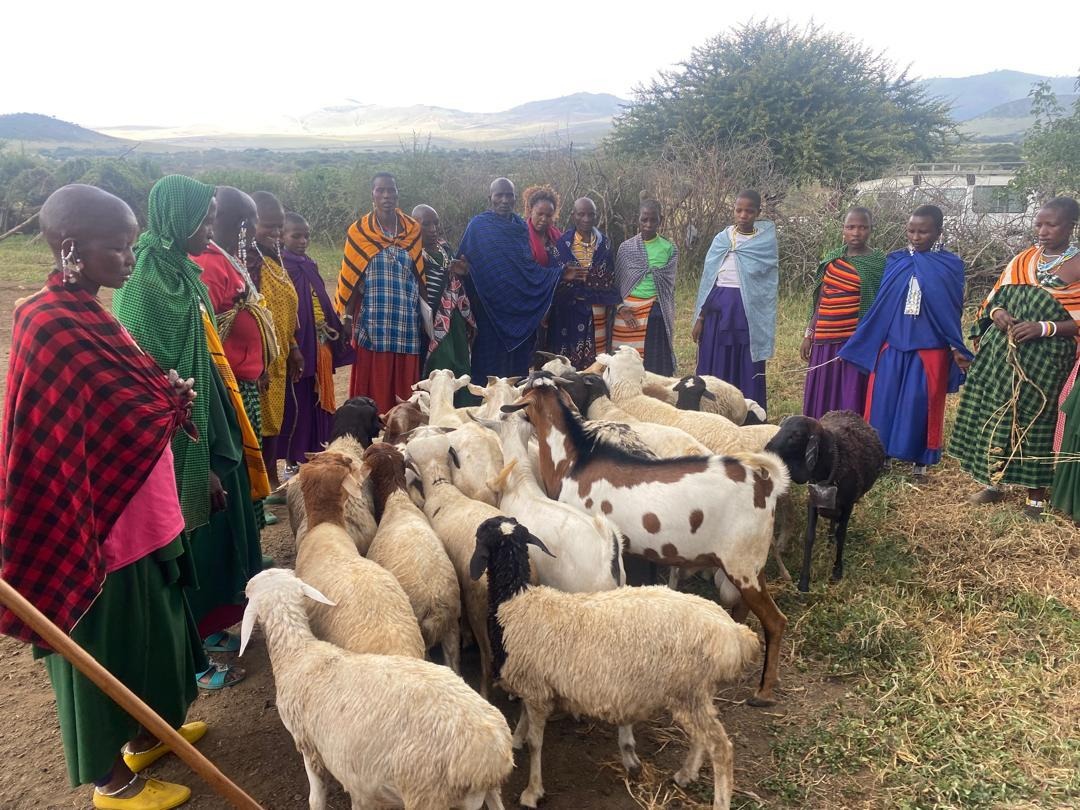
Also, he brought the women together for a meeting to discuss a business they could run together something practical and manageable alongside their restoration work. They decided on a livestock fattening project. In March 2024, they started with just 10 goats. By March 2025, they proudly owned 27 goats and one cow.
This is more than a story of environmental recovery. It’s a story of transformation, unity, and possibility.