At 19, Amani Is Restoring Rangeland and Leading Her Village
Four months after fencing off eight hectares of her family's degraded land, 19-year-old Amani Lomayani watched Bermuda grass burst back to life and realized her small idea had just changed what her whole village thought was possible.
The Challenge
Amani, from Elangatadapash village, was one of only three of thirty Rangeland Guardians chosen to attend the rangeland restoration workshop in Longido District, where more than 50 women Rangeland Guardians across 16 villages in Longido and Monduli districts were trained in practical restoration techniques. Like much of the surrounding landscape, her family's land was degraded by overgrazing, with bare ground and little productive pasture left for their livestock.
What Changed
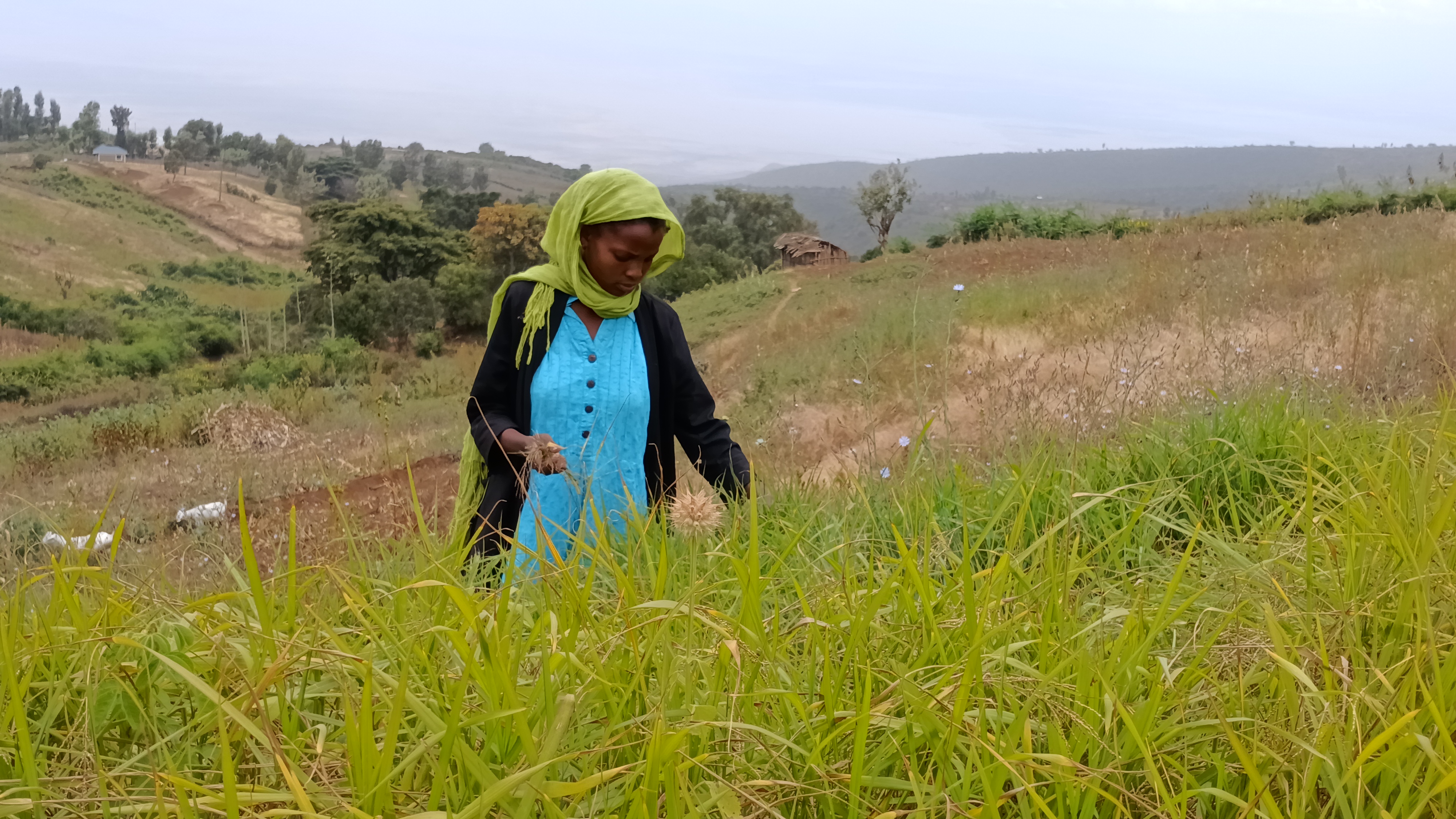
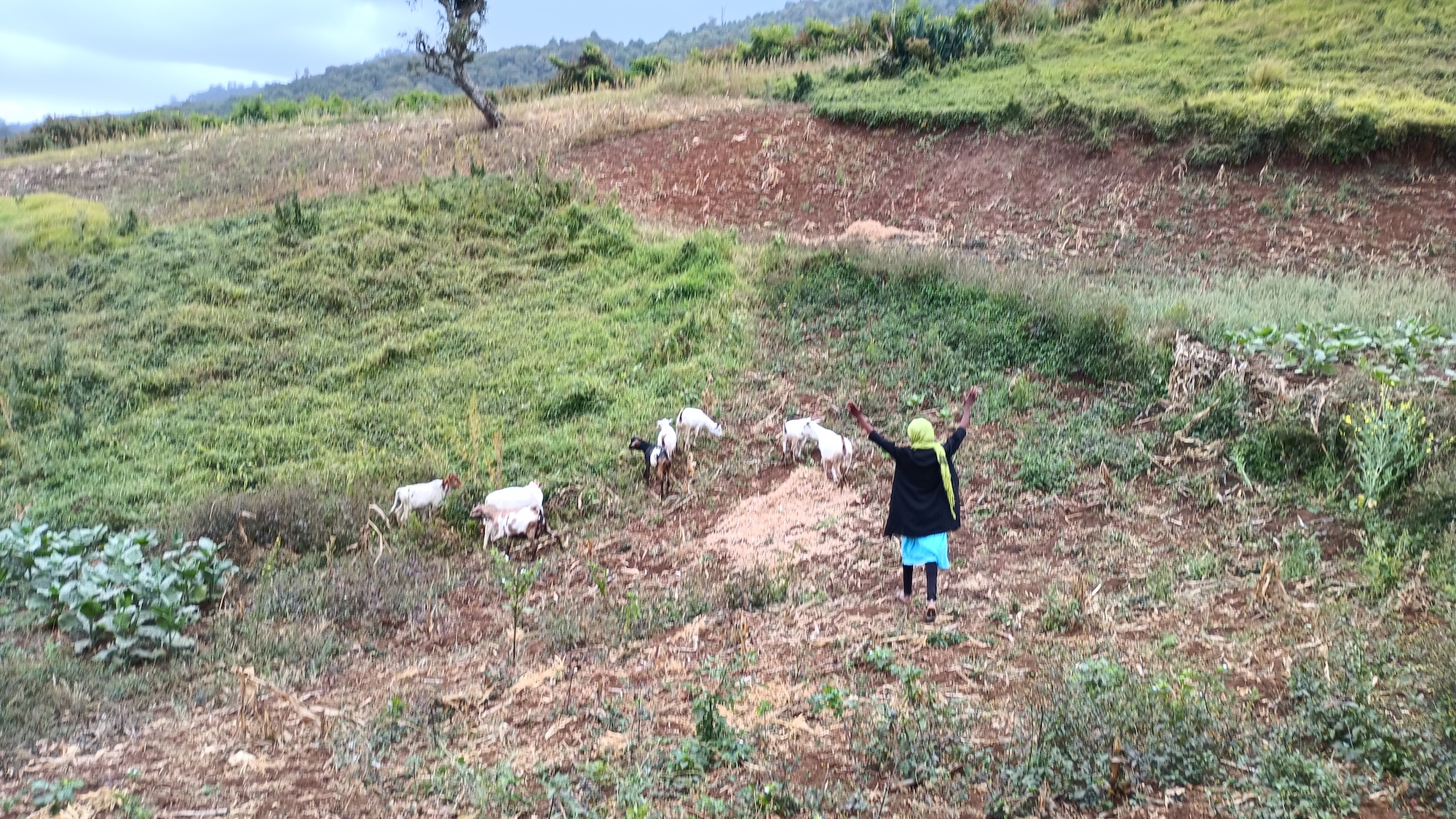
Amani acted immediately. With her father's support, she fenced off eight hectares of their family land using Masanzu branches and divided it into wet- and dry-season grazing zones, preventing overgrazing and giving the land a chance to heal. Just four months later, the once-bare area was covered in nutritious Bermuda grass (Cynodon dactylon); when invasive Solanum plants emerged, she and her father began controlling them right away. Amani then went further, training the 27 Guardians from her village who couldn't attend the original workshop and proposing solutions to bare ground, invasive species, and bush encroachment. Her next idea was to harvest Bermuda grass seed from her own land to enrich the village's shared restoration plot—a community-led way to boost pasture diversity that immediately inspired the wider group.
The Results
At just 19, Amani has fenced and restored eight hectares of productive grazing land, trained 27 fellow Guardians, and sparked a village-wide seed-harvesting initiative with potential to become a future income source. Within four months, her fenced grazing land showed flourishing growth of nutritious Bermuda grass (Cynodon dactylon), inspiring her to propose harvesting its seeds with fellow Guardians and spreading them to the village restoration plot, where the species was scarce. The idea gained strong support, offering both greater grass diversity and future opportunities to sell harvested seed and support their families. Her leadership is reshaping restoration as something driven by young women within the community.