
Conservation
Closed

TERRA
Abstract
Pastoralist communities in the Arusha Region of northern Tanzania are increasingly vulnerable to the impacts of climate change, including prolonged droughts, land degradation, and declining pasture productivity. These challenges threaten food security, livestock-based livelihoods, and ecosystem health. Limited capacity to manage natural resources and adapt to climate variability further exacerbates the situation.
The TERRA project addresses these challenges by strengthening community resilience through integrated, multi-level interventions. It promotes sustainable land management, climate-smart agriculture, and alternative energy solutions to reduce environmental degradation. The project also supports livelihood diversification through income-generating activities, particularly targeting women, while enhancing awareness of climate change among communities, youth, and institutions.
By combining ecological restoration, capacity building, and knowledge exchange between local and international stakeholders, the project contributes to improved ecosystem services, increased adaptive capacity, and sustainable development for pastoralist communities in the Arusha Region.
Introduction
The TERRA project is implemented in Arusha Region, northern Tanzania, targeting pastoralist communities across Arusha and Meru Districts. It aims to increase resilience to climate change by promoting sustainable management of ecosystem services at multiple levels, including households (bomas), rangelands, village institutions, and district authorities. Through integrated interventions and partnerships with local and international institutions, the project supports climate adaptation, environmental conservation, and improved livelihoods.
Key Activities
1. Land Management and Pasture Conservation
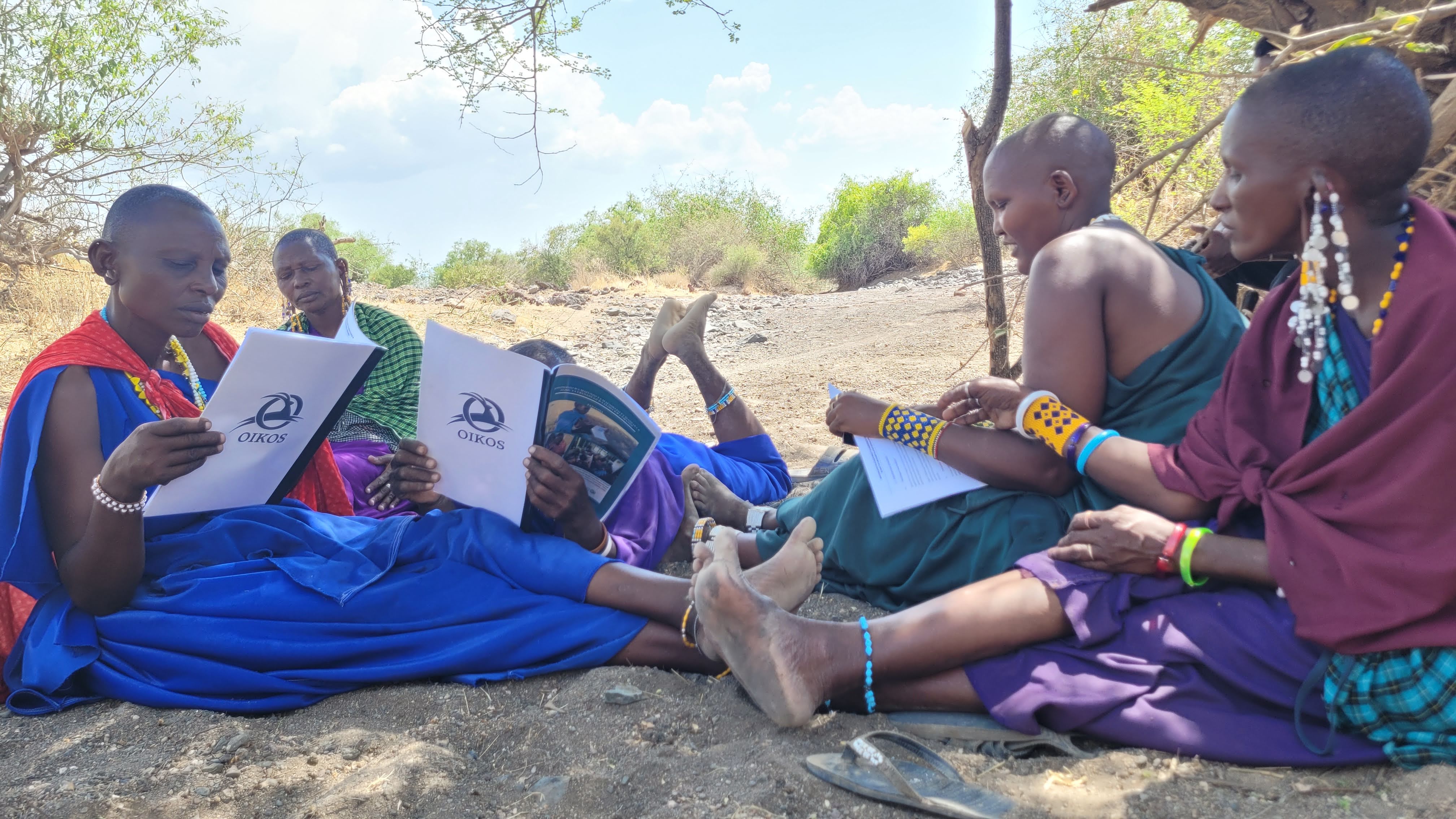
The project conducts ecological monitoring to identify rangeland areas most vulnerable to degradation. Based on collected data, it works closely with communities and village authorities to develop and implement sustainable land use and grazing management plans. These plans aim to restore degraded pastures, improve vegetation cover, and ensure long-term productivity of rangelands for both livestock and wildlife.
2. Alternative Energy and Climate Change Mitigation
To reduce deforestation and environmental degradation, the project promotes alternative energy solutions at the household level. Activities include installation of domestic biogas systems to reduce reliance on firewood, use of solar bottle lighting to improve energy access, and planting of Commiphora trees for sustainable boma fencing. These interventions contribute to reduced carbon emissions, improved energy efficiency, and enhanced environmental conservation.
3. Climate-Smart and Resilient Farming
The project supports the adoption of climate-smart agriculture practices to improve food security and resilience. This includes reintroducing drought-resistant crops and promoting techniques such as intercropping, use of nine-seed holes, and application of chaka hoes. These methods enhance soil fertility, increase crop productivity, and reduce vulnerability to climate variability.
4. Sustainable Income-Generating Activities
To diversify livelihoods, the project promotes leather processing as a viable economic opportunity. Women are supported to establish micro-enterprises producing naturally tanned leather and environmentally friendly handicrafts. This intervention enhances income generation, empowers women economically, and reduces reliance on environmentally harmful practices.
5. Awareness Raising and Knowledge Exchange on Climate Change
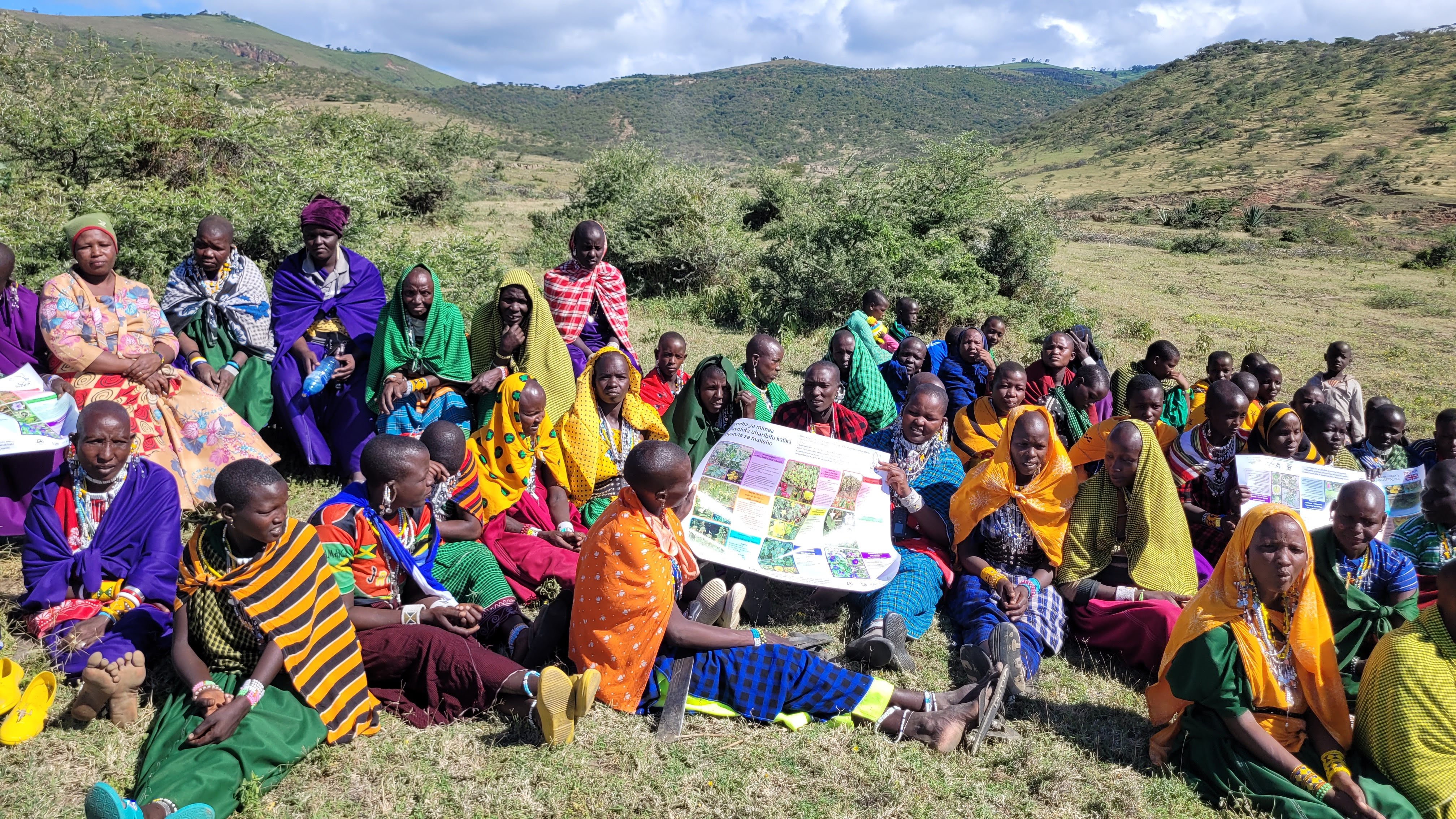
The project implements awareness campaigns targeting students, communities, and the general public in Arusha, Arumeru, and Lombardy (Italy). Activities include educational programs, public campaigns, and exchange visits between local authorities in Tanzania and Italy. These initiatives increase understanding of climate change impacts and promote adoption of sustainable practices across different levels.
Funded by
Italian Agency for Development Cooperation
Partners
Arusha District Council, Meru District Council, Arusha City Municipality, and Municipality of Milan (Italy)
Time frame
March 2017 – February 2020
More programmes
Empowering communities through sustainable conservation
We believe the health and wellness of future generations will be secured with today’s people-centered approach to environmental conservation.
.jpg)