Conservation
Closed

Mountain farmers & savannah pastoralists: Conserving sustainable livelihoods in East Africa (EcoBoma II)
Abstract
Northern Tanzania’s Arusha–Longido corridor forms a critical wildlife linkage between montane forests and savannah woodlands connecting Mount Meru, Mount Kilimanjaro, and Amboseli National Park in Kenya. However, the area faces severe ecological degradation due to deforestation, overgrazing, soil erosion, and climate variability. At the same time, local communities experience poverty, malnutrition, and limited inclusion in natural resource management, particularly among women.
The EcoBoma II project addresses these challenges by strengthening community engagement in conservation and sustainable land management. It builds the capacity of local groups, including Forest Guardians and Rangeland Guardians, to actively protect ecosystems and restore degraded lands. The project also promotes environmentally sustainable income-generating activities such as beekeeping and eco-tourism, linking conservation with livelihoods.
Through training, education, and community empowerment, the project enhances biodiversity conservation while improving resilience and well-being for local populations. By integrating conservation with socio-economic benefits, EcoBoma II ensures long-term sustainability of the Arusha–Longido corridor.
Introduction
EcoBoma II is implemented in the Arusha–Longido corridor in northern Tanzania, a key ecological landscape linking major wildlife ecosystems. The project aims to conserve biodiversity while improving livelihoods by enhancing community participation in sustainable forest and rangeland management. It focuses on strengthening local conservation groups, restoring degraded rangelands, and promoting nature-based enterprises such as beekeeping and eco-tourism. Through community-led approaches and education, the project supports long-term ecosystem health and resilience for people and wildlife.
Key Activities
1. Community-Led Conservation (Forest Guardians)
The project strengthens conservation efforts by training 20 forest guardians from local communities. These individuals support the protection and sustainable management of approximately 15,000 hectares of montane forest and savannah woodlands. Training focuses on patrol techniques, biodiversity conservation, and monitoring illegal activities such as deforestation and poaching. The project also provides essential equipment to improve effectiveness. This intervention enhances local ownership of conservation efforts and helps reduce environmental degradation across the corridor.
2. Women-Led Rangeland Restoration
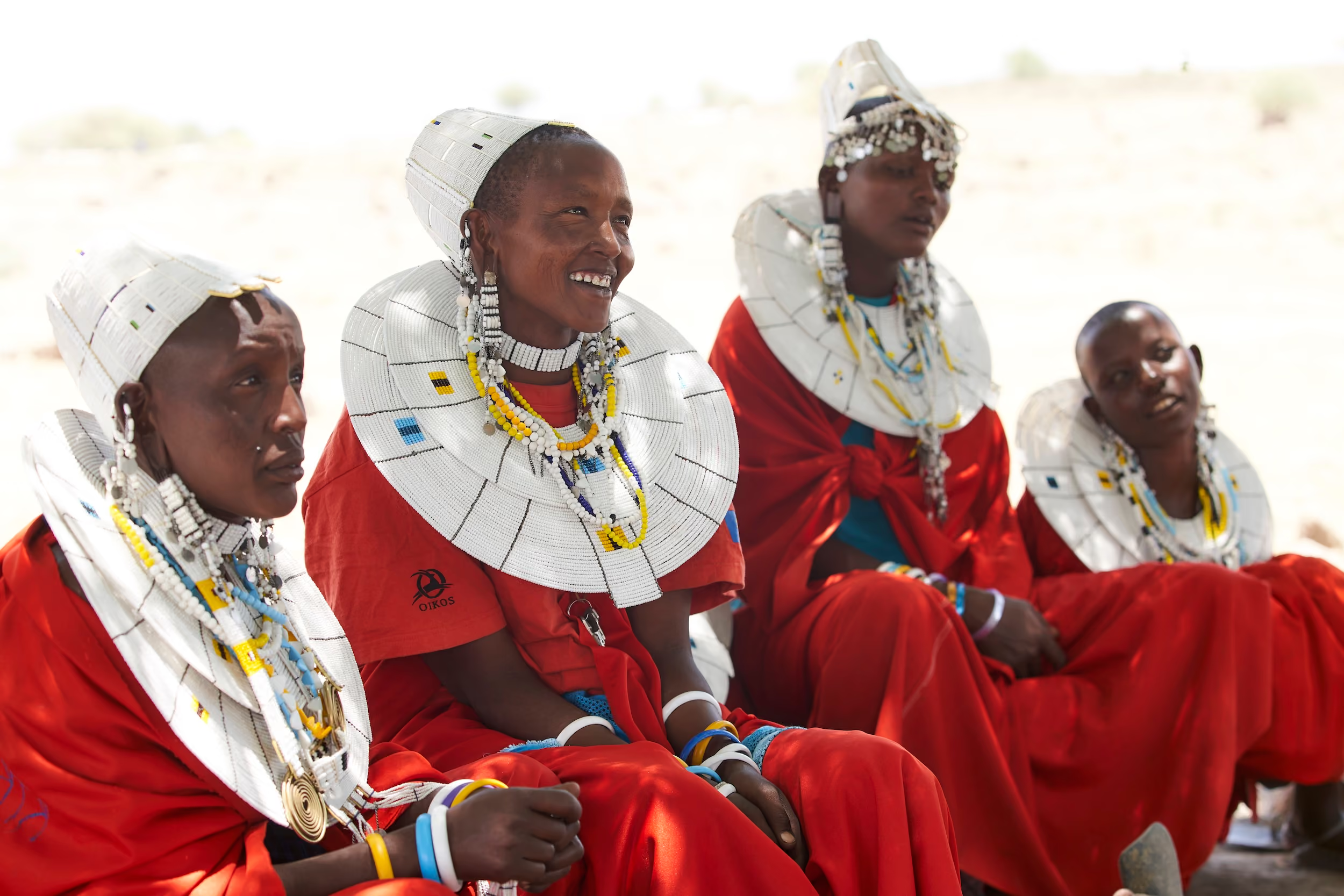
The project empowers 20 women as Rangeland Guardians, equipping them with restoration skills to rehabilitate degraded rangelands. Activities include removing invasive species and reseeding indigenous grasses to restore productivity. The project also facilitates access to non-productive rangelands for restoration and advocates for women to directly benefit from these areas. Benefits include improved pasture for small livestock and opportunities for income generation through grass harvesting, strengthening both livelihoods and gender inclusion.
3. Sustainable Livelihoods and Financial Benefits
EcoBoma II promotes nature-based enterprises that link ecosystem health with income generation. Beekeeping is introduced as a mid-scale enterprise managed by Forest Guardians, providing sustainable income while supporting pollination and biodiversity. Additionally, 10 community members are trained as tour guides to offer eco-tourism experiences through the Mkuru community-based camp. These initiatives diversify livelihoods, reduce dependency on unsustainable resource use, and enhance community resilience.
4. Education and Environmental Awareness
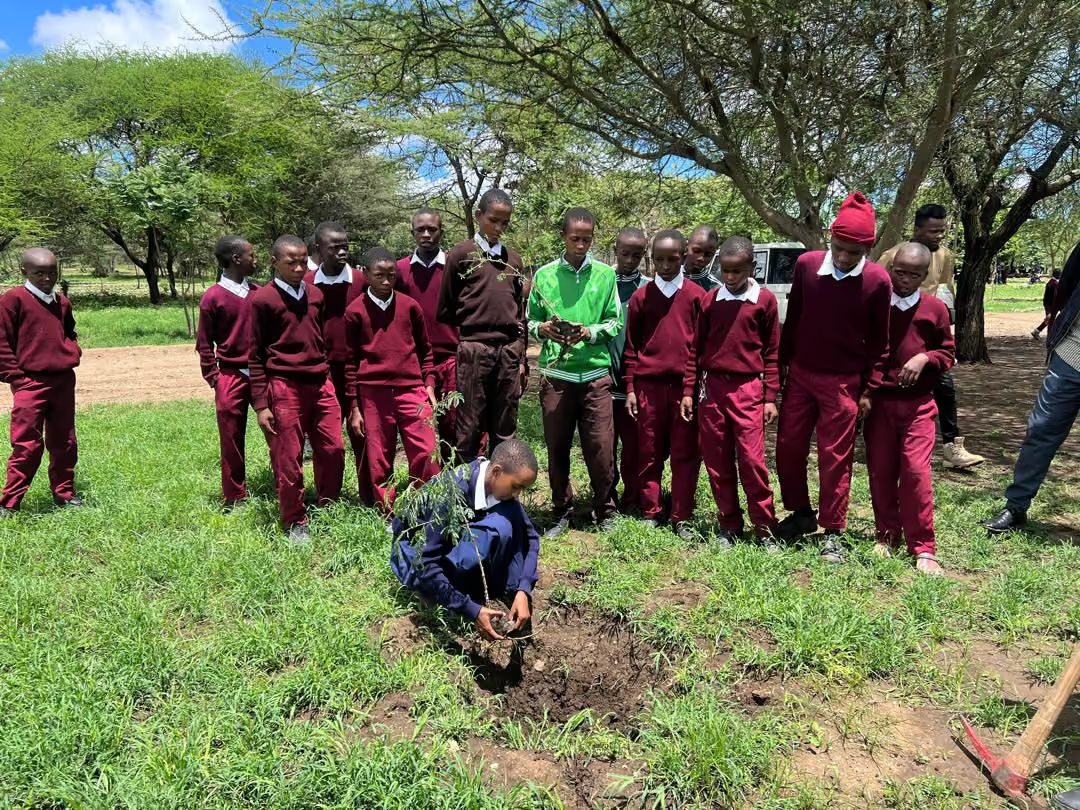
The project implements education and awareness campaigns in primary and secondary schools to highlight the connection between ecosystem health and human well-being. Students are engaged through environmental learning activities, leading to the selection of 20 “mini” Rangeland Guardians. This approach fosters environmental stewardship among youth and ensures long-term sustainability of conservation efforts through knowledge transfer and behaviour change.
.avif)
Funded by
Audemars Piguet Foundation
Lead organization
Oikos East Africa (OEA)
Partners
Istituto Oikos, Arusha & Meru District Councils
Time frame
November 2021-April 2024
More programmes

Empowering communities through sustainable conservation
We believe the health and wellness of future generations will be secured with today’s people-centered approach to environmental conservation.
.jpg)