Conservation
Closed

ECO-BOMA : a climate-resilient model for Maasai steppe pastoralists
Abstract
The Maasai Steppe communities in Arumeru District, northern Tanzania, rely heavily on rangelands for livestock grazing and their livelihoods. However, climate change has intensified grazing pressures, reduced the availability of pastures and water points, increased human and livestock populations, and limited access to reliable climate information. These challenges exacerbate poverty, environmental degradation, and vulnerability to climate shocks. ECOBOMA, implemented by Oikos East Africa, addressed these issues through a holistic, community-driven approach. The project rehabilitated earth dams, established community forests, and installed meteorological stations to improve water and climate monitoring. It promoted sustainable rangeland management through ecological mapping, Village Game Scout patrols, and capacity-building for local authorities. Additionally, ECOBOMA enhanced livelihoods through skills training in artisanal activities, smart agriculture adoption, and biogas digesters to reduce reliance on firewood. Over 4 years, the project strengthened community resilience, diversified incomes, improved environmental stewardship, and increased climate change awareness among over 135,000 stakeholders, contributing to Tanzania’s poverty reduction strategy and SDG 13 – Climate Action.
Introduction
ECOBOMA, implemented in Arumeru District by Oikos East Africa under Istituto Oikos, aimed to build climate resilience among Maasai Steppe pastoralists. Targeting 2,000 households dependent on rangeland ecosystems, the project sought to improve sustainable land, water, and livestock management, diversify livelihoods, and reduce climate vulnerability. By combining community-driven interventions with capacity-building of local government authorities, ECOBOMA enhanced ecological stewardship, strengthened local institutions, and introduced climate-smart practices to secure livelihoods in a changing environment.
Key Activities
- Water Management and Earth Dam Rehabilitation:
Four earth dams were rehabilitated, increasing water storage by 47,000 m³. Communities were trained in efficient water management, including catchment protection, sediment removal, and sustainable abstraction practices to secure water for livestock and domestic use during dry seasons. - Rangeland Health Monitoring and Ecological Mapping:
Community-driven monitoring assessed pasture availability, soil cover, and invasive species. Data were used to produce ecological vulnerability maps, helping communities plan grazing rotations, prevent overgrazing, and identify areas for restoration. - Meteorological Station Installation:
Three weather stations were installed in strategic locations, providing real-time rainfall, temperature, and humidity data. This enabled early warning for droughts, informed smart agriculture decisions, and strengthened local climate resilience planning. - Community Forest Establishment:
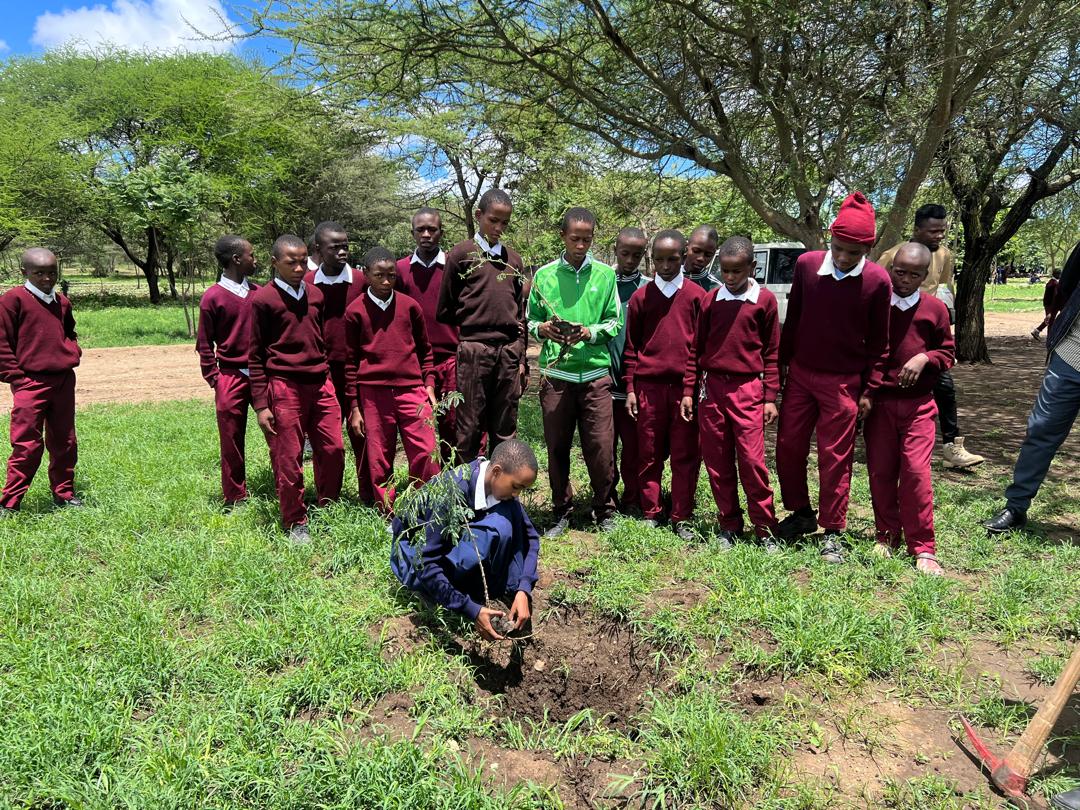
Approximately 200 hectares of community forests were planted with native trees to combat soil erosion, protect water sources, provide fodder and firewood, and buffer rangelands from wind and livestock pressure. - Village Game Scouts (VGS) Training and Patrols:
Thirty VGS were trained on rangeland protection, wildlife monitoring, and climate-smart practices. They patrol over 23,000 ha in coordination with village and district authorities to prevent illegal grazing, poaching, and habitat degradation. - Tree Planting for Protection of Bomas and Dams:
40,000 indigenous trees, including Commiphora sp. and Euphorbia tirucalli, were planted around 110 bomas and four dams. These trees protect livestock enclosures and water points from wind, wildlife intrusion, and soil erosion while providing fodder and shade. - Biogas Digester Installation:
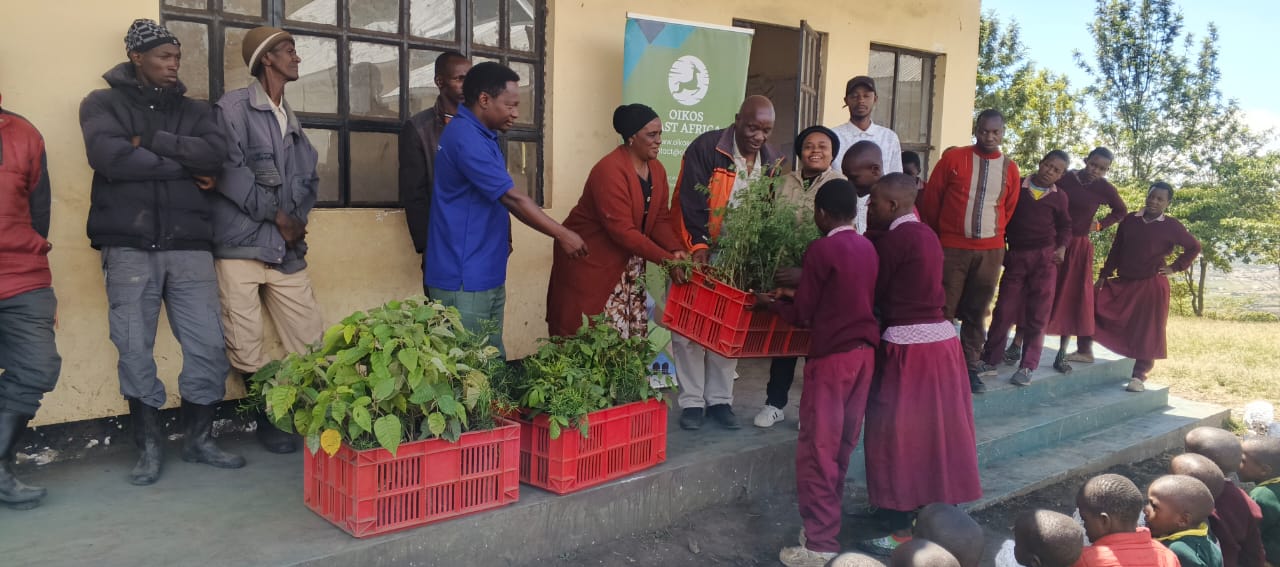
20 households received biogas digesters to produce cooking gas from livestock waste, reducing firewood dependence, saving time, improving indoor air quality, and preventing deforestation. - Solar Lighting (‘Litre of Light’):
119 households received solar bottle lights, providing indoor daylight during dark hours. This improved productivity, safety, and reduced reliance on kerosene lamps, lowering household energy costs and fire hazards. - Livelihoods Skills Development and Artisanal Cooperatives:
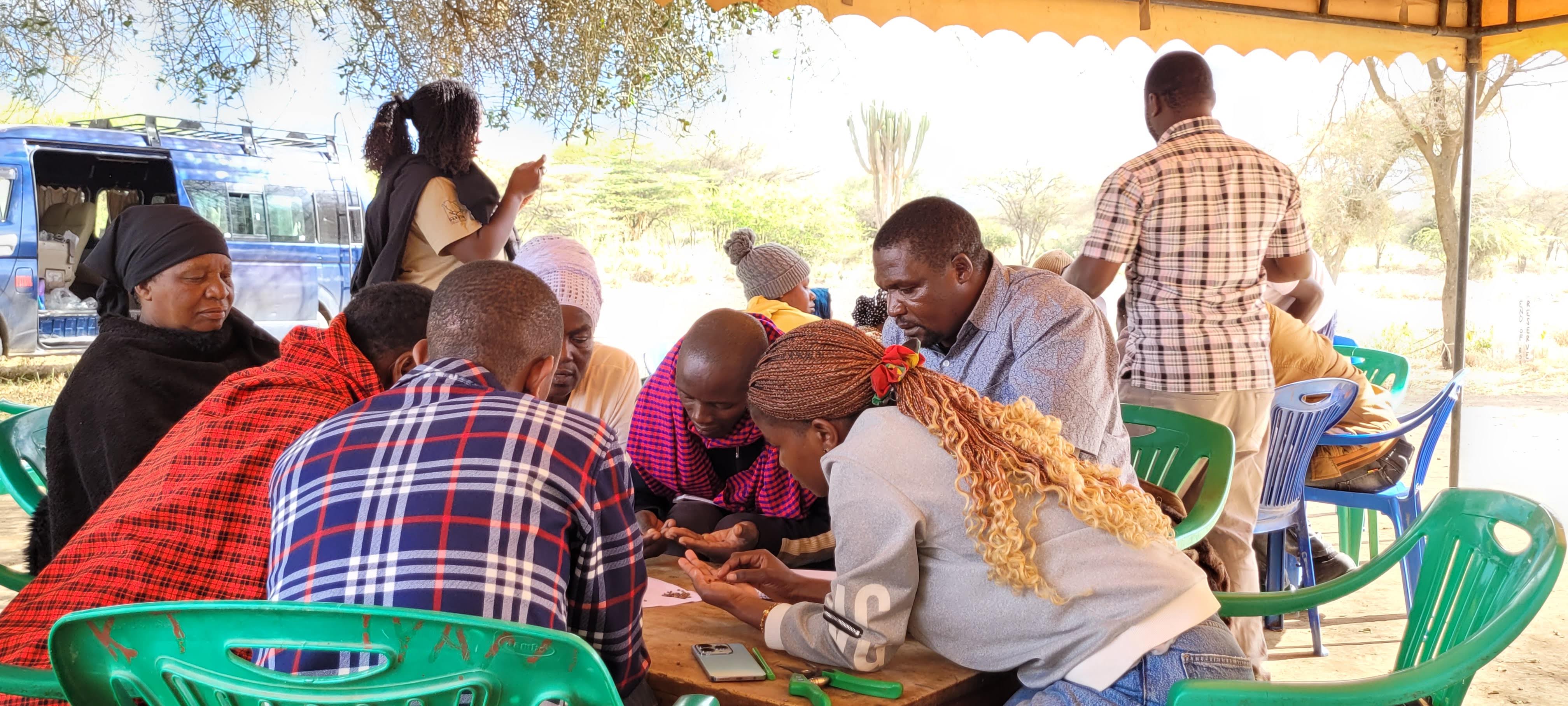
168 community members were trained in meat curing/drying and 15 in leather tanning. Cooperatives improved income generation, with the leather group achieving €11,000 in sales over two years, diversifying household livelihoods. - Smart Agriculture Techniques:
60 households adopted climate-smart farming practices, including drought-tolerant crops, mulching, and crop rotation, enhancing productivity and resilience against erratic rainfall. - Land Use Planning and Policy Integration:
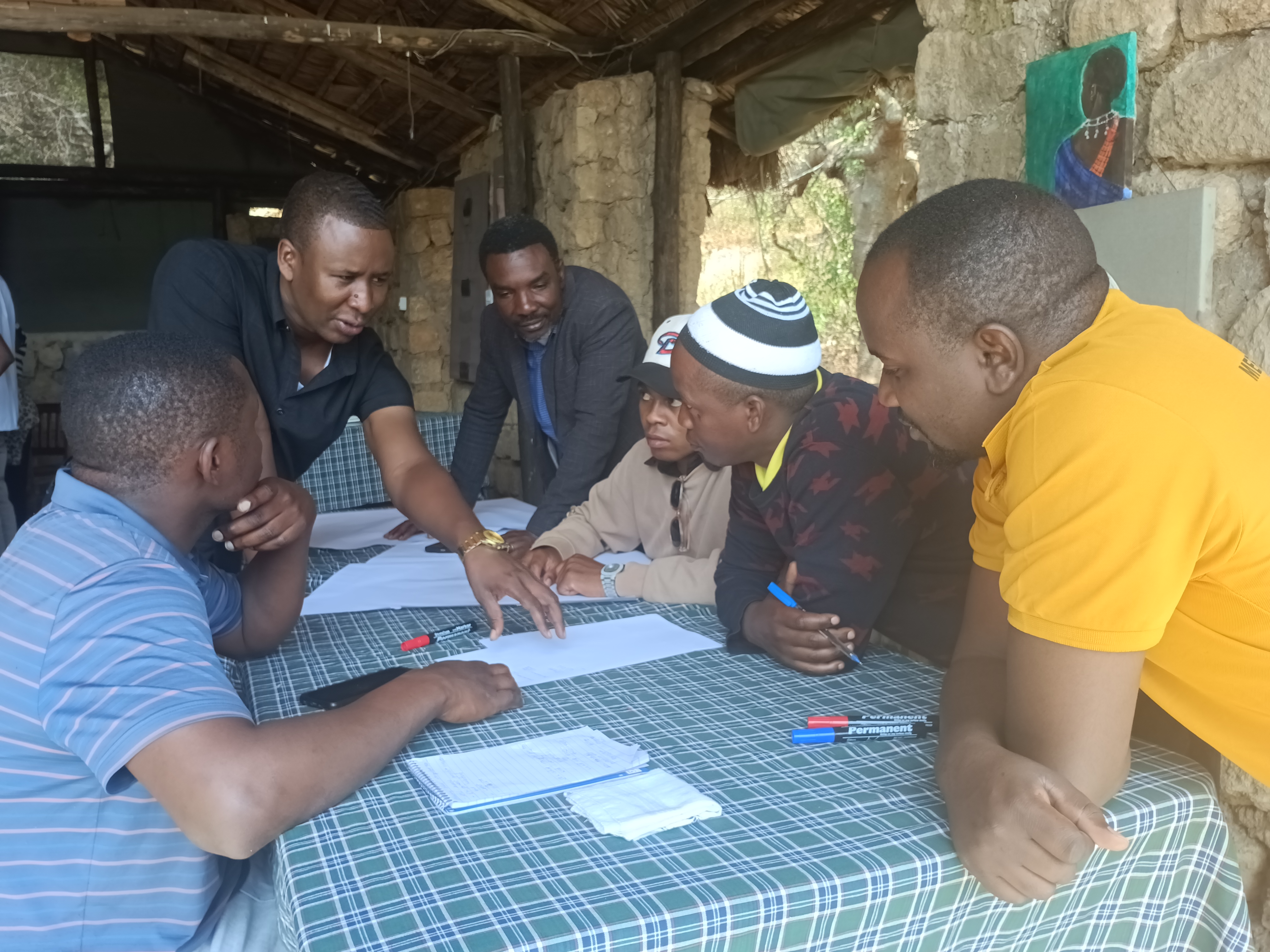
Two LUP units (36 officers) were established to integrate climate adaptation into district planning. Village bylaws were facilitated for sustainable rangeland use, and two Community Owned Water and Sanitation Organizations were registered for local governance. - Capacity Building and Knowledge Dissemination:
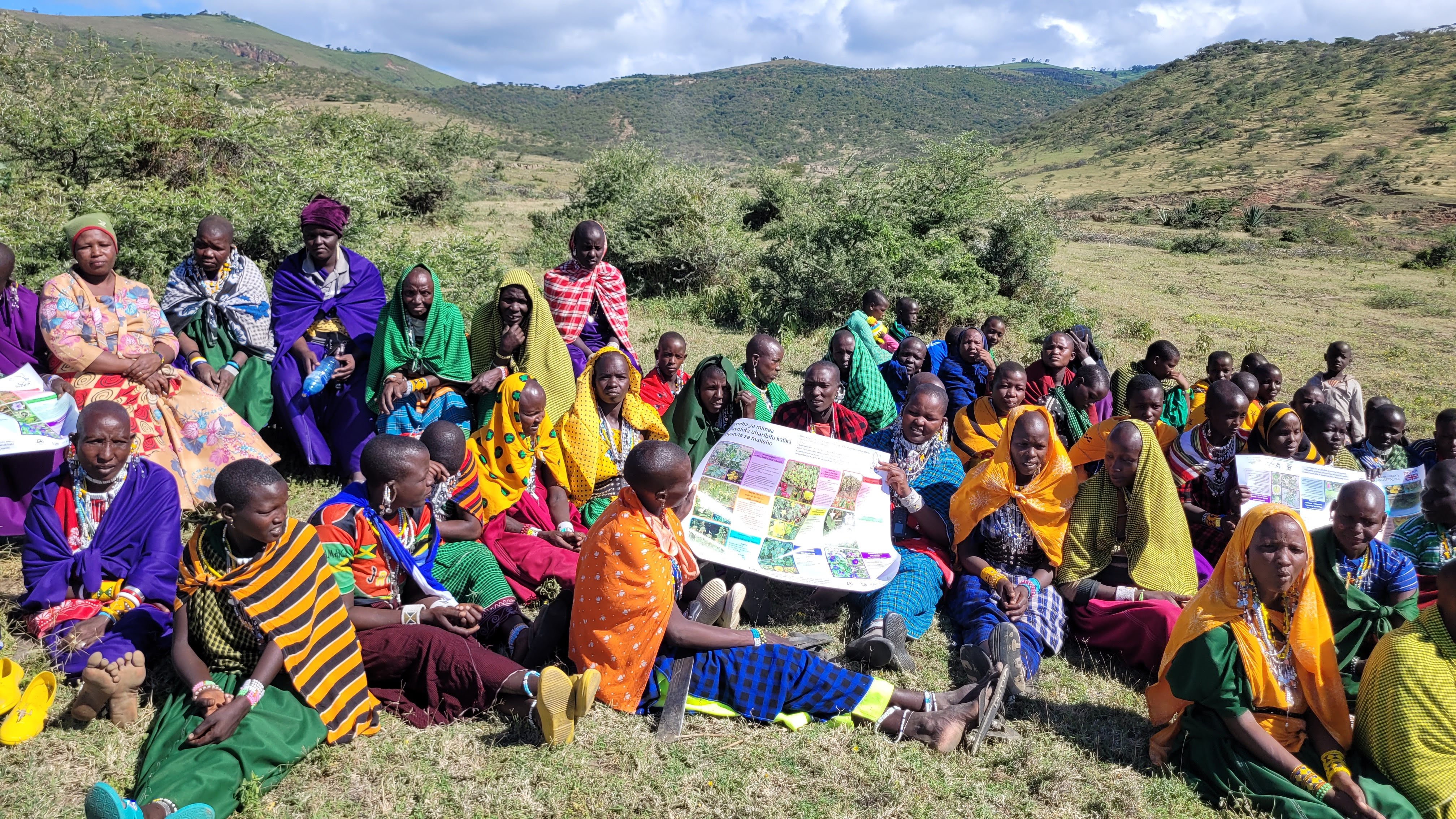
150 local government officers, 4,600 pupils, and over 135,000 stakeholders were trained or engaged through workshops, exchange visits, and publications, strengthening climate change awareness, adaptive capacity, and community participation. - Livestock Health Service Strengthening:
13 para-veterinarians were trained to improve livestock health services, reducing disease-related losses and improving productivity.
.jpg)

Funded by
European Union (EU)
Lead organization
Instituto Oikos (OI)
Partners
Istituto Oikos and Nelson Mandela Institute of science and Technology (NM-IST)
Time frame
4 years
More programmes
Empowering communities through sustainable conservation
We believe the health and wellness of future generations will be secured with today’s people-centered approach to environmental conservation.
.jpg)